Karbala is not a destination to rush through. For many visitors, it is a place of prayer, remembrance and deep personal connection; for others, it is an opportunity to understand one of the most significant spiritual centres in the Muslim world. This Karbala pilgrim travel guide is designed to make a first visit feel practical, respectful and achievable, while leaving space for the quieter moments that make the city so meaningful.
The city welcomes pilgrims throughout the year, with hospitality woven into everyday life. Planning carefully matters, particularly during major religious occasions, but Karbala rewards travellers who arrive with patience, modesty and an openness to local customs.
Why Karbala matters to pilgrims
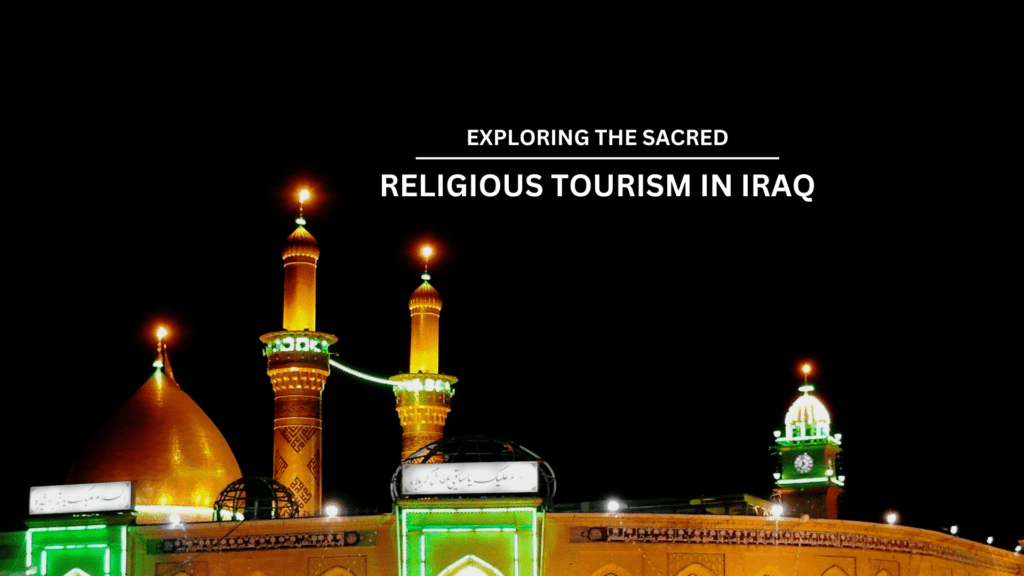
Karbala is home to the shrines of Imam Hussein ibn Ali and his half-brother Abbas ibn Ali, central figures in the events of Ashura in 680 CE. The shrines stand close to one another, connected by the broad pedestrian space known as Bayn al-Haramayn, or Between the Two Shrines. For Shia Muslims, visiting is an act of devotion that carries profound emotional and spiritual weight.
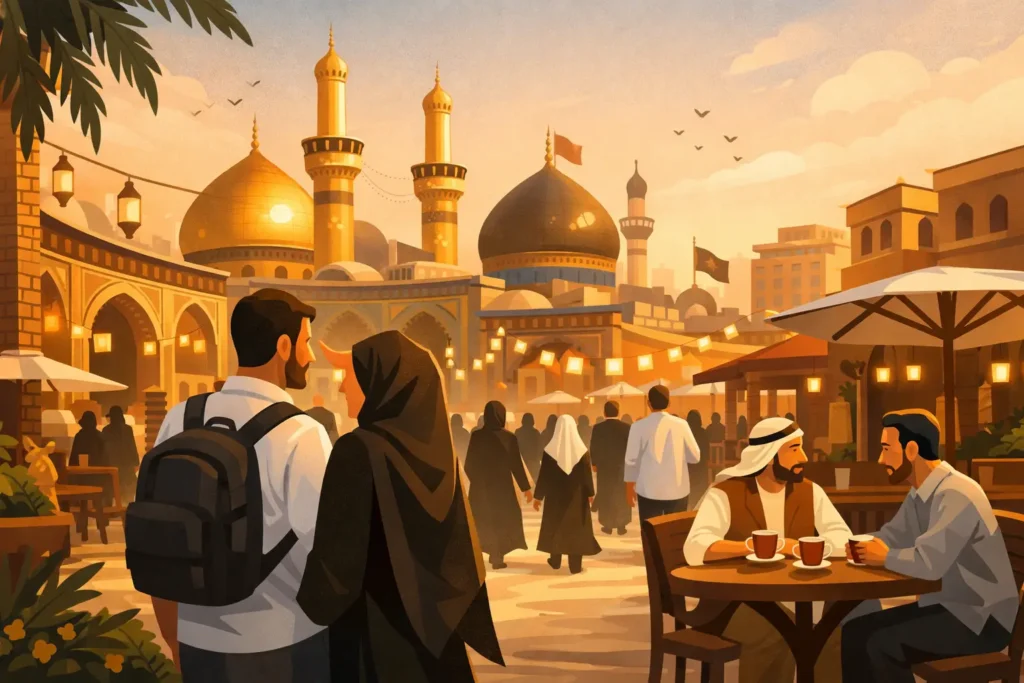
Even visitors who are not undertaking a religious pilgrimage can approach Karbala as a place of living heritage. The call to prayer, the movement of worshippers, the scent of incense and the generosity of those offering food and water all reveal a city shaped by service and remembrance. This is not a museum experience. It is an active sacred environment, and that should guide every practical decision, from what to wear to when to take photographs.
Choosing the right time to visit
Karbala can be visited year-round, although the experience changes considerably with the religious calendar and the weather. Spring and autumn are often more comfortable for walking between shrines and around the city. Summer can be extremely hot, so visitors should plan outdoor movement early in the morning or after sunset, carry water and allow more time for rest.
Ashura and Arbaeen
Ashura, observed on the 10th of Muharram, and Arbaeen, held 40 days later, are the most important dates for many pilgrims. Arbaeen is among the world’s largest annual gatherings, bringing vast numbers of people to Karbala from across Iraq and abroad. The journey can be extraordinary, especially for those walking from Najaf, but it demands more preparation than a visit at quieter times.
During these periods, roads may be restricted, accommodation fills early and arrival times become less predictable. Free community services, known as mawkibs, provide food, drinks, rest areas and practical support along pilgrimage routes. Their generosity is remarkable, but international visitors should still arrange a clear accommodation plan, keep essential medication with them and travel with an itinerary that can absorb delays.
If your priority is unhurried shrine visits, easier hotel availability and a slower introduction to Karbala, choose a date outside the main pilgrimage peaks. The city’s spiritual atmosphere remains powerful.
Entry requirements and travel preparation
Visa rules for Iraq depend on your nationality, purpose of travel and port of entry. Some nationalities may be eligible for visa-on-arrival or electronic visa arrangements, while others need to obtain approval before travelling. Requirements can change, so confirm the latest rules directly with the relevant Iraqi embassy, consulate or official immigration authority before booking non-refundable travel.
Your passport should have adequate validity, and it is sensible to carry printed copies of your passport, visa approval, accommodation details and onward travel plans. Keep digital copies separately on your mobile phone or secure online storage. Travel insurance should cover Iraq specifically, including medical care and changes to your itinerary.
For many international visitors, Najaf International Airport is the most convenient arrival point for Karbala. The drive is generally around 80 kilometres and commonly takes one to two hours depending on traffic and road arrangements. Baghdad is another possible gateway, particularly for travellers combining Karbala with the capital, Babylon or other destinations in central Iraq.
Getting to Karbala and moving around
Arrange airport transfers through your hotel, a trusted local operator or a reputable driver where possible, especially if arriving late or travelling for the first time. Agree the fare and destination before departure if the price is not included in advance. During peak pilgrimage periods, vehicle access near the shrines may be limited, and walking the final section is often unavoidable.
Within central Karbala, many essential sites are reachable on foot. This is usually the best way to experience the area around the shrines, although pavements can be busy and uneven in places. Taxis are useful for reaching hotels outside the immediate shrine district, but use a hotel reception or local host to help arrange one if language is a concern.
Iraqi dinar is used for daily spending. Carry smaller notes for taxis, snacks and incidental purchases, while keeping larger amounts securely stored. Card use is growing in some hotels and larger businesses, but cash remains important. A local SIM card or reliable data connection can also make navigation, translations and contact with drivers far easier.
Shrine etiquette: visiting with respect
The shrine complexes are welcoming to pilgrims and respectful visitors, but entry is governed by religious etiquette and security procedures. Dress modestly. Men should wear long trousers and covered shoulders. Women should wear loose, modest clothing and cover their hair; bringing a lightweight scarf is useful even if additional coverings are available at the entrance.
Shoes are removed before entering many interior areas, so wear socks that are clean and comfortable. Security checks are normal, and queues can be long at busy times. Keep valuables minimal, follow staff directions calmly and avoid carrying items that may complicate entry.
Photography rules vary by location and can change during ceremonies or crowded periods. Never photograph worshippers, prayer or grieving individuals without clear permission. When unsure, put the mobile phone away or ask an attendant. A respectful visit is not measured by how much content you capture.
The central courtyards can be very crowded, particularly near prayer times. Families, elderly pilgrims and those in prayer should always be given space. Speak softly, avoid eating in sacred areas and follow designated routes. Non-Muslim visitors should be especially attentive to guidance from shrine staff and should not assume access to every prayer area.
Where to stay in Karbala
Choosing accommodation depends on the purpose and pace of your visit. Hotels near the shrine district offer the convenience of walking to the holy sites, returning easily for rest and joining early or late prayers. They are particularly helpful for older travellers, families and anyone visiting during a short stay. These properties are also in highest demand around Ashura and Arbaeen.
Staying farther from the centre can offer more space, quieter evenings and sometimes better value, but requires dependable transport during busy periods. When comparing options, look beyond room photographs. Confirm the exact location, whether breakfast is available, the type of room offered, check-in arrangements and how easily vehicles can reach the property during pilgrimage dates.
Stay In Iraq can help travellers begin their accommodation search with a clearer sense of location and trip needs. Wherever you stay, tell your host your expected arrival time and ask them about local access arrangements during religious events.
A thoughtful approach to food, hospitality and local life
Food is one of Karbala’s warmest expressions of welcome. Around the shrines and pilgrimage routes, mawkibs often serve meals, tea, water, fruit and sweets freely as an act of service. Accepting a small offering with thanks is generally appreciated, but take only what you need and avoid waste. During major gatherings, these services are primarily intended to support pilgrims, so be mindful of queues and the needs of others.
In restaurants and hotels, Iraqi dishes such as grilled kebab, rice dishes, soups, fresh bread and sweet tea are widely available. Choose busy, well-kept places and use bottled water if you are uncertain about local water arrangements. If you have dietary requirements or allergies, carry a short written explanation in Arabic as well as English.
A few Arabic phrases can make everyday encounters warmer: “shukran” means thank you, and “salaam alaikum” is a common greeting. You do not need perfect language skills. Courtesy, patience and genuine appreciation carry far more weight.
Planning a meaningful itinerary
Give Karbala at least two nights if you can. One day can be dedicated to the shrine complexes and surrounding old city, with time to return at different hours rather than trying to see everything at once. A second day allows for a more reflective pace, local meals and nearby religious or cultural sites according to your interests and the advice of your host.
Many pilgrims combine Karbala with Najaf, home to the shrine of Imam Ali and the historic Wadi Al-Salam cemetery. This pairing is practical because of the route between the two cities, yet each deserves time in its own right. Treating them as quick checkboxes misses the atmosphere that brings visitors back.
Travel to Karbala with a plan, but do not fill every hour. Leave room for a conversation over tea, a pause in the courtyard and the simple generosity offered by people who see service to visitors as an honour. That is often where a pilgrimage becomes more than a journey.