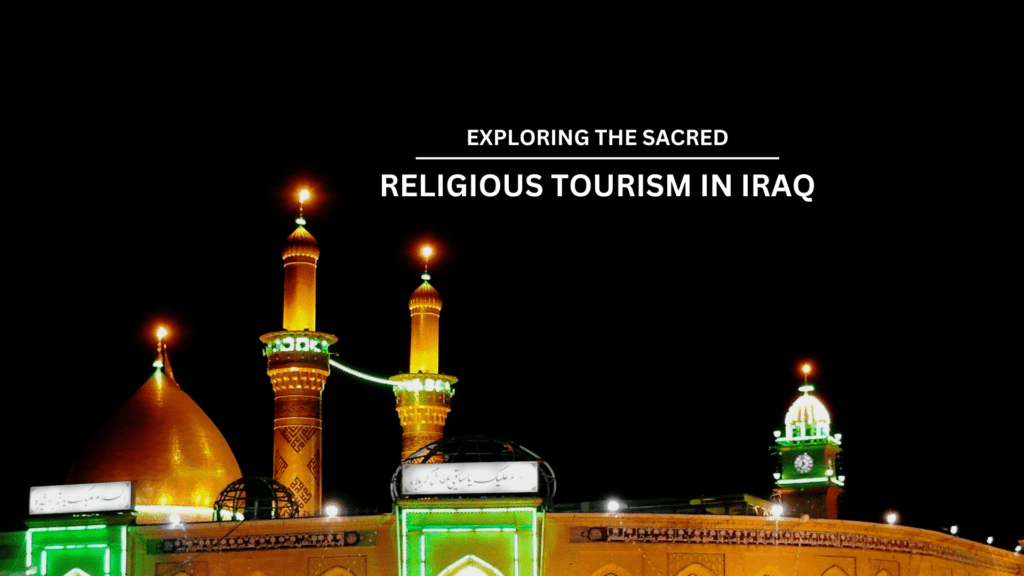
A first glimpse of Najaf often begins with the golden dome of the Imam Ali Shrine rising above the old city. Yet the most memorable visits are not rushed checklists. The best things in Najaf bring together prayer, living history, thoughtful conversation, traditional food and the generous welcome for which Iraqi cities are known.
Najaf is one of the world’s most significant centres of Shia Islamic learning and pilgrimage. For many visitors, it is a deeply personal destination. For heritage travellers, it offers an exceptional window into Iraq’s intellectual, architectural and spiritual life. Approach it with patience and respect, and the city reveals far more than its landmarks.
10 Best Things in Najaf for a Respectful Visit
1. Visit the Imam Ali Shrine
The Imam Ali Shrine is the spiritual heart of Najaf and the principal reason many people travel here. It is the resting place of Imam Ali ibn Abi Talib, cousin and son-in-law of the Prophet Muhammad, revered by Muslims around the world for his wisdom, justice and courage.
The shrine’s gilded dome, intricate tilework and busy courtyards are visually striking, but its atmosphere is what stays with visitors. Pilgrims arrive from across Iraq and far beyond, often with families spanning several generations. Spend time observing the rhythm of the place rather than treating it as a photo stop.
Dress modestly, follow entry guidance and be prepared for security checks and large crowds, particularly on religious occasions. Women may be asked to wear a chador or outer covering, which is generally available at the entrance. Photography rules can vary by area, so ask before using a camera or mobile phone.
2. Walk through Wadi al-Salam Cemetery
Wadi al-Salam, meaning Valley of Peace, stretches beside Najaf and is among the largest cemeteries in the world. Its vast expanse of tombs, family mausoleums and narrow pathways has made it a profoundly important burial place for generations of Shia Muslims.
This is not a conventional sightseeing attraction. It is an active place of remembrance, grief and prayer. A visit is best undertaken quietly, ideally with a knowledgeable local guide who can explain its significance and help visitors navigate respectfully. Avoid photographing mourners or graves without explicit permission.
The cemetery also gives a powerful sense of Najaf’s place in the wider religious geography of Iraq. Its scale is remarkable, but its human purpose is more important than the view.
3. Experience the old city around the shrine
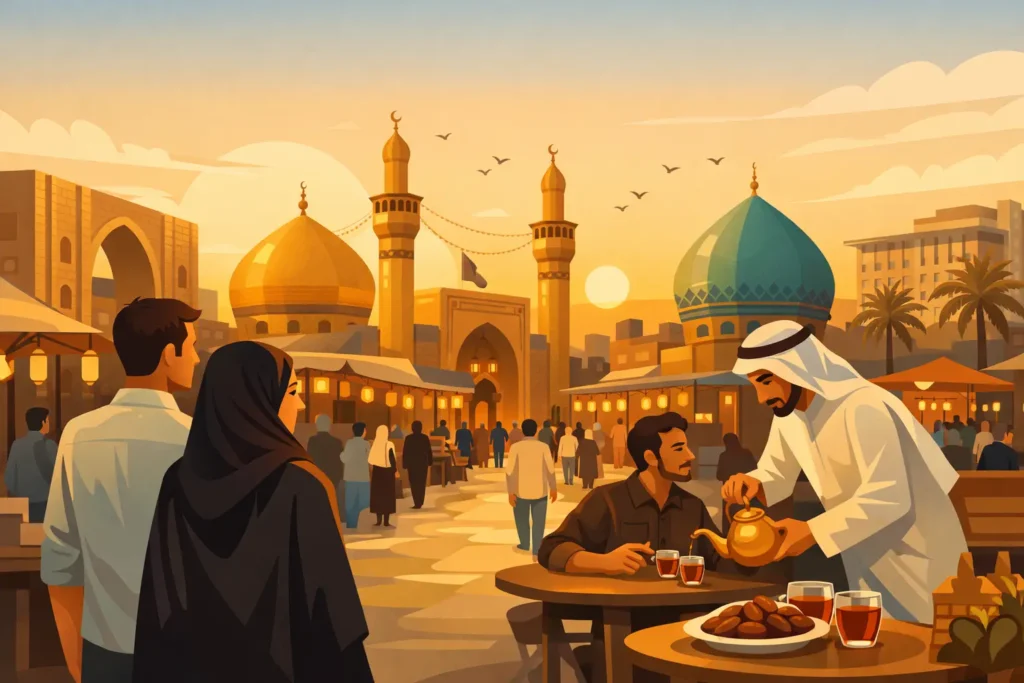
The lanes around the shrine hold much of Najaf’s everyday character. Small shops sell prayer beads, textiles, perfumes, religious books, sweets and practical items for pilgrims. Merchants greet regular visitors, families pause for tea, and the streets become especially lively around prayer times.
Walking here is one of the best ways to understand Najaf beyond its monumental architecture. Keep your route unhurried. Notice the details: carved doors, tiled façades, the scent of cardamom tea and the steady movement of people arriving from different parts of the world.
The area can be busy, so carry only what you need and keep valuables secure. For many travellers, staying within walking distance of the old city is worthwhile, though accommodation slightly farther away may offer a quieter night’s rest.
4. Explore Imam Ali Street and the traditional market
Imam Ali Street and the surrounding market streets offer a lively introduction to Najaf’s commercial life. This is where pilgrims shop for gifts, locals buy household necessities, and visitors can find small reminders of their journey, from prayer beads to handcrafted souvenirs.
Shopping is most rewarding when it is conversational. Ask about the origin of an item, accept a cup of tea if offered, and do not feel pressured to bargain aggressively. Iraqi hospitality is often expressed through these small exchanges, and a respectful encounter can become a highlight of the day.
Choose locally made goods where possible and avoid buying religious objects simply as decorative curiosities. In Najaf, context matters.
5. Visit the Great Mosque of Kufa
Kufa lies a short drive from Najaf and deserves time in any itinerary. The Great Mosque of Kufa is one of Iraq’s most important early Islamic sites, closely associated with Imam Ali, who made Kufa the capital of his caliphate and was martyred there.
The mosque complex is peaceful and spacious, with places of prayer and historical associations that are meaningful to visitors from many backgrounds. It helps place Najaf within a wider sacred landscape rather than seeing the city in isolation.
A local driver or arranged transport makes this easy as a half-day visit. As at Najaf’s shrine, modest clothing and calm, observant behaviour are essential.
6. Spend time at Al-Sahla Mosque
Also near Kufa, Al-Sahla Mosque is a major place of worship with particular importance in Shia tradition. Its open courtyard and prayer halls create a contemplative contrast to the intensity of Najaf’s central shrine district.
Visitors often come here for prayer, reflection and a quieter appreciation of the region’s spiritual heritage. Even if you are not travelling as a pilgrim, allow the space to set the pace. Sit for a few moments, observe local customs and let a host or guide explain the traditions connected to the mosque.
Combining Al-Sahla Mosque with the Great Mosque of Kufa makes practical sense, but avoid trying to rush both sites between other commitments.
7. Learn about Najaf’s scholarly tradition
Najaf has been a centre of Islamic scholarship for centuries. Its hawzas, or religious seminaries, have shaped religious thought, teaching and community life across the Muslim world. This intellectual tradition is felt in the city’s bookshops, libraries and the steady presence of students and scholars in the old quarters.
Visitors should not expect seminaries to operate as open museums. Many are working institutions with their own routines and access rules. Still, browsing religious bookshops or speaking with a local guide about Najaf’s scholarly heritage adds valuable depth to a visit.
It is a reminder that Najaf is not only a place people come to honour the past. It remains a living centre of study, debate and faith.
8. Try Najafi and Iraqi comfort food
A meaningful day in Najaf should include an unhurried meal. Look for simple, well-regarded local restaurants serving Iraqi favourites such as kebab, grilled chicken, tashreeb, rice dishes and qeemah. Fresh bread, pickles, yoghurt and tea often turn a straightforward meal into a generous table.
Food choices depend on your schedule and dietary needs. Restaurants close to the shrine are convenient after a visit, while neighbourhood eateries may offer a more local pace. Ask your hotel host or driver where families eat rather than relying only on prominent signs.
Tea is part of the experience in its own right. A small glass of sweet Iraqi chai can be a welcome pause after hours of walking, particularly in the cooler evening air.
9. See the city at prayer time
Najaf changes character as the call to prayer carries across the city. The streets near the shrine fill and settle in waves, shopkeepers adjust their routines, and the golden dome takes on a different presence as daylight softens.
You do not need to enter every sacred space to appreciate this moment. Find a respectful place nearby, step aside from the main flow of pilgrims and observe. For photographers, this is also a time to prioritise sensitivity over images. The strongest memories are often made by being present rather than documenting everything.
10. Take a thoughtful day trip through the Najaf-Kufa area
Najaf is best understood as part of a connected religious and cultural landscape. A well-planned day can link the Imam Ali Shrine, Wadi al-Salam, Kufa’s Great Mosque and Al-Sahla Mosque without turning the experience into a race between stops.
Build in time for rest, food and conversation. Distances may look short on a map, but entry procedures, crowds and prayer times all shape the pace of travel. A local guide can be especially useful for first-time visitors, offering context that no signboard can provide.
Practical tips for visiting Najaf
Najaf International Airport offers a convenient arrival point for many regional and international travellers, while road connections make the city accessible from other major Iraqi destinations. Once in the city, taxis and pre-arranged drivers are practical options. Confirm the fare before setting off if it has not been arranged through your accommodation.
Plan at least two nights if you want to visit both Najaf and Kufa without rushing. Choose accommodation based on your priorities: a hotel near the shrine is ideal for early or late visits, while properties farther from the centre can offer more space and quieter surroundings. Stay In Iraq can help travellers compare accommodation options as they build a wider Iraq itinerary.
Check official visa requirements and your government’s current travel advice before departure, as rules and conditions can change. Carry a copy of your passport, dress conservatively and ask permission before photographing people, religious spaces or private businesses. During major pilgrimage periods, book rooms and transport well in advance.
Najaf rewards visitors who arrive with curiosity, not assumptions. Leave room in your plans for the invitation to tea, the conversation with a shopkeeper, and the quiet moments that make this sacred city feel personal long after you have returned home.