
The most striking thread in Iraq tour reviews is rarely a single archaeological site or landmark. It is the moment a traveller is invited for tea, helped with directions, or welcomed into a conversation by people determined to make a visitor feel at home. Iraq’s great heritage may bring people here, but its human warmth is often what stays with them.
For travellers considering their first visit, reviews can turn a distant ambition into a realistic plan. They also need to be read with care. Iraq is not a destination to approach on assumptions, whether positive or negative. A rewarding journey usually comes from thoughtful preparation, respect for local customs, and an itinerary that gives each place the time it deserves.
What Iraq Tour Reviews Often Highlight
Hospitality that feels personal
Visitors frequently describe Iraqi hospitality as immediate, sincere, and difficult to reduce to a tourist experience. In cities, villages, shrines, markets, and family-run restaurants, travellers often find that curiosity is met with generosity. A shopkeeper may insist on offering tea; a family may ask where you are from and what brought you to Iraq; a local guide may introduce a story that never appears on a museum label.
This does not mean visitors should expect or demand personal access. Hospitality is best received with gratitude, patience, and sensitivity. Learning a few Arabic greetings, accepting a cup of tea when appropriate, and asking before taking photographs can make ordinary interactions more meaningful.
Ancient history with a living context
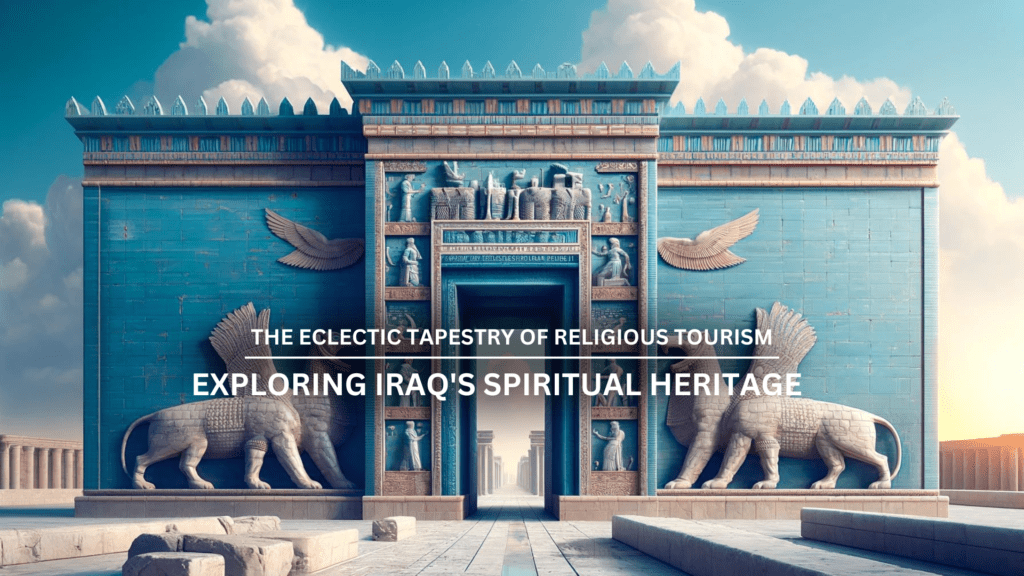
Reviews of sites such as Babylon, Ur, Hatra, Samarra, and the old quarters of Baghdad often stress the scale of what travellers are seeing. These are not isolated exhibits. They belong to a country where layers of history remain close to everyday life – in riverfront streets, craft traditions, religious practice, food, and family memory.
That context can be surprising for visitors who expect an archaeology-only holiday. A guide who can connect a site to the wider story of Mesopotamia, Islamic civilisation, or contemporary local life adds real value. The strongest tours leave room for questions rather than rushing through a list of famous names.
Spiritual depth and respectful access
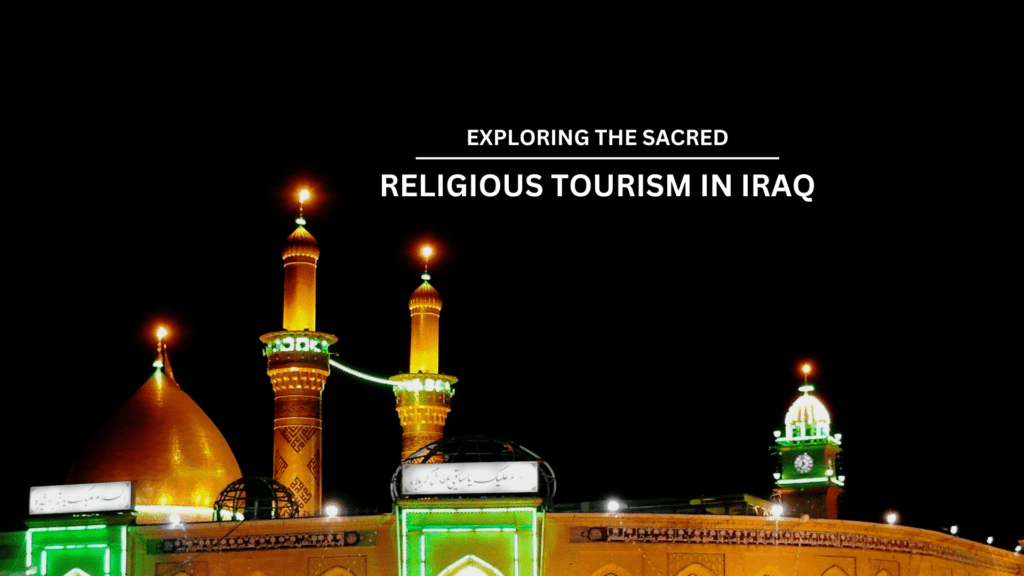
For many Muslim visitors, Iraq is a profoundly meaningful place of pilgrimage. Najaf, Karbala, Kadhimiya, and Samarra hold immense religious importance, and reviews often speak of the atmosphere of devotion, service, and community around these cities.
Non-pilgrim visitors can also appreciate these places when they approach them respectfully and follow site guidance. Modest dress is essential in religious settings, and photography rules can vary. Major religious occasions may offer an extraordinary cultural experience, but they also bring substantial crowds and changed transport patterns. Whether this is the right time to visit depends on the purpose and pace of your trip.
Food that becomes part of the journey
Travellers regularly remember Iraq through flavour: fragrant masgouf by the Tigris, freshly baked bread, kubba, rice dishes, slow-cooked stews, dates, cardamom tea, and sweets shared after a meal. Dining is often social rather than rushed, which suits visitors willing to slow down and accept local recommendations.
Food experiences are not identical across the country. Baghdad’s cafés and river dining have a different character from meals in Basra, Najaf, Erbil, or the marshes of southern Iraq. Rather than searching for one definitive Iraqi dish, allow regional cooking to become part of the route.
The Practical Details Behind Positive Reviews
The most useful reviews tend to mention logistics alongside emotional highlights. Iraq rewards flexibility, but a well-organised foundation makes that flexibility enjoyable rather than stressful.
Local expertise makes a difference
Independent-minded travellers may be drawn to Iraq precisely because it feels less scripted than established tourism markets. Yet local guidance can be particularly valuable, especially on a first visit. A reliable guide or well-planned tour can help with timing, language, transport arrangements, cultural etiquette, and access to places that are easy to miss without local knowledge.
This is not simply about convenience. A knowledgeable local guide can explain why a shrine matters to worshippers, identify the details of an Abbasid monument, or recommend the right place for breakfast in a city you have only just reached. Reviews that praise guides often praise this interpretation as much as organisation.
Accommodation shapes the experience
Accommodation standards, facilities, and location can vary considerably between cities. Travellers tend to have a better experience when they choose stays based on the rhythm of their itinerary rather than only the nightly rate. A centrally placed hotel can make early starts, evening walks, and transfers easier, while a comfortable base is especially welcome after long road journeys between heritage sites.
Before booking, check current guest feedback, the precise location, transport arrangements, room facilities, and whether breakfast is included. In pilgrimage cities, proximity to sacred sites may matter most. For a heritage-focused route, practical access to roads and local guides can be more useful than a particular view.
Stay In Iraq helps travellers compare accommodation options alongside destination information, allowing practical planning to sit naturally beside cultural discovery.
Distances deserve respect
A map can make Iraq look simpler than it feels on the ground. Some routes involve long drives, changing road conditions, traffic in major cities, or stops that become worthwhile because of the people and places encountered along the way. Trying to fit Baghdad, Babylon, Najaf, Karbala, Nasiriyah, Ur, Basra, Mosul, and the Kurdistan Region into a few days usually produces a rushed experience.
Reviews are most favourable when travellers build in breathing room. Consider choosing one of three broad approaches: a southern heritage and pilgrimage route; Baghdad and central Iraq with day trips; or a northern itinerary focused on Mosul, Erbil, and surrounding cultural landscapes. A longer journey can connect these regions, but it should not be treated as a race.
How to Read Iraq Tour Reviews Wisely
A glowing review is useful only if it matches the sort of traveller you are. Someone on a private, guide-led heritage itinerary may have a very different experience from a pilgrim travelling during a major religious period, a photographer seeking early morning light, or a diaspora visitor returning to family roots.
Look for specifics. Did the reviewer travel recently? Which cities did they visit? Were they travelling alone, with family, or as part of a group? Did they mention the quality of guiding, the pace of the route, hotel location, meals, and communication before arrival? Details reveal far more than a star rating alone.
It is also sensible to distinguish between a review of Iraq and a review of one particular service. A delayed transfer, a hotel room that did not suit a guest, or a guide whose style felt too fast may be valid feedback, but it does not describe an entire country. Equally, beautiful photographs should not replace practical questions about visas, current entry requirements, local transport, insurance, and what to pack.
Questions Worth Asking Before You Book
Before committing to a tour, ask for a clear day-by-day itinerary and confirm what is included. Find out how much time is spent driving, whether entrance fees and meals are covered, what standard of accommodation is planned, and whether there is flexibility for religious visits, photography, or personal interests.
Ask how the operator handles changes to schedules and whether a named local guide will accompany the group. For pilgrims, confirm the proximity and practical access of accommodation to relevant holy sites. For heritage travellers, ask whether the itinerary allows enough time at major sites rather than brief stops for photographs.
Visa arrangements and entry rules can change, so always check official, current requirements for your nationality before making non-refundable bookings. Dress codes, weather, and seasonal conditions should also shape the plan. Spring and autumn often suit extensive sightseeing, while summer requires more careful pacing, hydration, and early starts.
A Better Measure of a Successful Iraq Tour
The best Iraq tour reviews do not describe a flawless, frictionless holiday. They describe a journey that felt real: ancient cities viewed in the morning light, shared meals after a long drive, quiet moments in sacred places, and conversations that challenge what the traveller thought they knew.
Choose a trip that leaves room for those moments. Iraq is best experienced not as a checklist of civilisations, but as a living country ready to be encountered with curiosity, preparation, and respect.