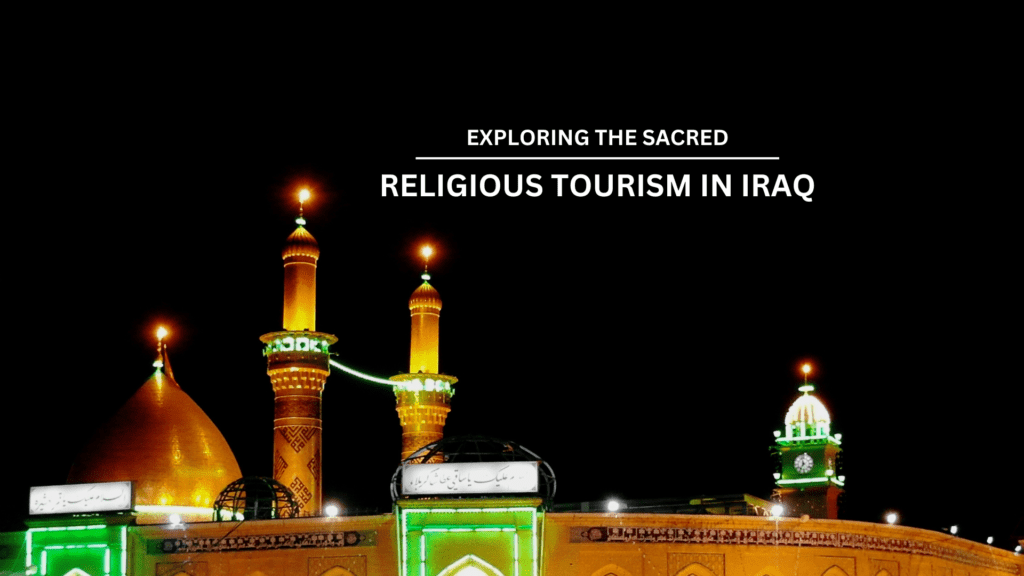
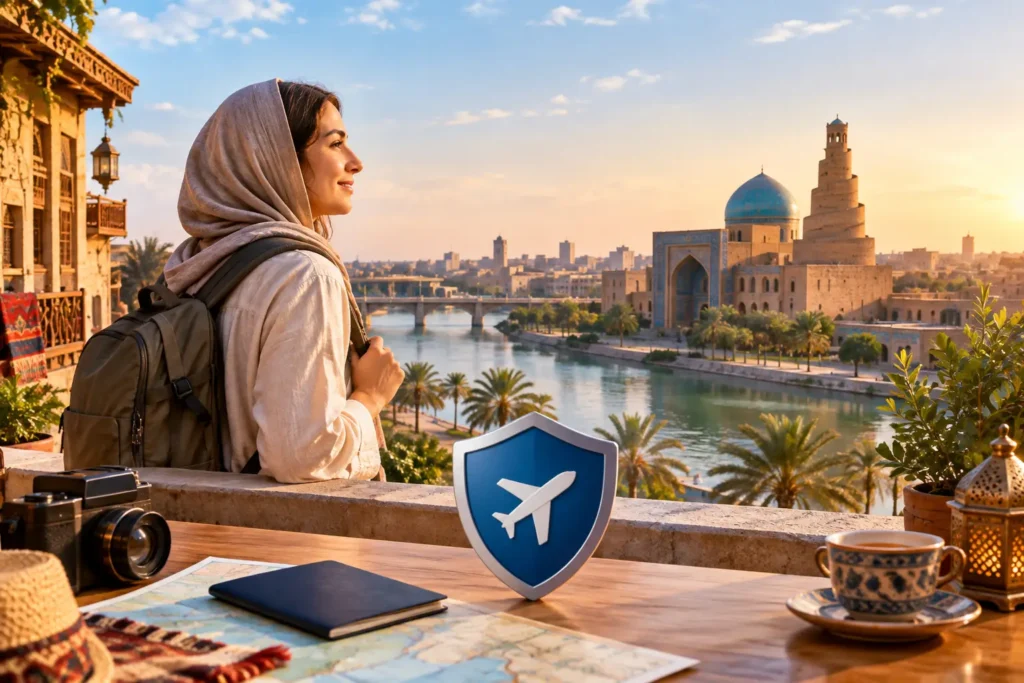
A journey through Iraq can bring you face to face with the cities, shrines and landscapes that shaped human history – from Baghdad’s book markets to Najaf’s spiritual heart and the ancient remains of Babylon. Iraqi travel insurance is one practical detail that helps you travel with the confidence to stay present for those experiences. It will not remove every uncertainty, but the right policy can protect you from the financial impact of an illness, a cancelled itinerary or an unexpected change of plan.
Travel insurance for Iraq deserves closer reading than a quick tick-box purchase. Policies vary sharply by nationality, departure country, the parts of Iraq you plan to visit and the insurer’s own destination rules. The most useful approach is to understand what you need, then confirm the policy wording before paying for cover.
Why travel insurance for Iraq needs careful planning
Iraq is not a single, uniform itinerary. A heritage-focused visit to Baghdad, Babylon, Karbala and Basra has different practical demands from a hiking trip in the Kurdistan Region of Iraq or a pilgrimage during a major religious occasion. Transport connections, weather, crowds, travel distances and access to services can all affect the cover that makes sense for your plans.
For many international visitors, the central consideration is emergency medical cover. Even if you are healthy and travelling carefully, illness and accidents do not follow an itinerary. A suitable policy should include emergency treatment, hospital care, medically necessary evacuation or repatriation, and a 24-hour assistance service that you can contact from abroad.
Do not assume that a large headline medical limit answers every question. Check whether the policy applies in Iraq specifically, whether pre-existing medical conditions are covered or excluded, and whether you must contact the insurer’s assistance team before receiving non-emergency treatment. If you are travelling as part of an organised group, ask whether the organiser provides any cover and where its responsibilities end.
What Iraqi travel insurance should cover
A good policy is shaped by your real journey rather than the cheapest available premium. Medical and cancellation cover are often the priorities, but several other protections can matter when travelling through a destination with multiple stops and carefully timed arrangements.
Look for clear cover for the following:
- Emergency medical expenses and assistance, including hospital treatment, emergency transport, evacuation and repatriation where medically necessary.
- Trip cancellation and curtailment, for non-refundable flights, accommodation, guided visits and onward transport if a covered event stops you travelling or requires you to return home early.
- Travel delay and missed departure, particularly if your itinerary relies on connecting flights or pre-booked transport between cities.
- Personal belongings and documents, with a realistic limit for luggage, cameras, mobile phones and the cost of replacing a passport or travel documents.
- Personal liability, which may help if you accidentally injure someone or damage property, subject to the policy’s terms.
The exact level of cover depends on your circumstances. A photographer carrying specialist equipment needs to check single-item limits, not simply the total baggage allowance. A diaspora traveller spending several weeks with family may need a longer policy period and cancellation cover that reflects the true value of their bookings. Pilgrims travelling during busy religious periods may place greater value on medical assistance and flexible support if schedules change.
Keep receipts for significant purchases and booking confirmations for every prepaid part of your trip. Insurers commonly require evidence when handling a claim. It is also wise to save digital copies of your passport, policy certificate and emergency contact details separately from the originals.
Read destination exclusions, not just the cover summary
The most common mistake is buying a worldwide policy without checking its destination exclusions. Some insurers restrict or decline cover for Iraq altogether; others cover only certain areas, while some may impose conditions based on official travel advice issued by the government of the country where the policy was bought.
This is why the policy wording matters more than a comparison site label. Search the insurer’s documents for “Iraq”, “territorial limits”, “travel advice”, “exclusions” and “assistance”. If the wording is unclear, ask the insurer a direct written question: does this policy cover my full itinerary in Iraq, including every city and region I intend to visit? Keep the response with your travel papers.
The Kurdistan Region of Iraq may be treated differently by some insurers, but it should never be assumed to be automatically covered. If your route includes Erbil, Sulaymaniyah, Duhok or mountain areas, confirm that these locations are named within the policy’s territorial scope. The same care applies if you plan to cross a land border or combine Iraq with another country.
Government travel advice can affect insurance validity, but the rules are insurer-specific. A policy may exclude claims connected to travel against advice, restrict cover after advice changes, or distinguish between essential and non-essential travel. Check both the advice relevant to your passport and the insurer’s stated conditions. This is a matter for practical preparation, not alarm: clear information allows you to choose a policy with your eyes open.
Activities, transport and pilgrimage details
Standard policies are designed for ordinary sightseeing. They may not automatically cover activities such as trekking at altitude, climbing, off-road driving, motorcycling, professional filming or drone use. If any of these are part of your plans, declare them and arrange the appropriate extension before departure.
Transport deserves the same attention. If you intend to drive, confirm whether your insurance includes medical cover for an accident and whether you need separate local motor insurance. If you are travelling by motorcycle or scooter, insurers may require a valid licence, helmet use and engine-size-specific cover. A claim can be refused if these conditions are not met.
For religious visitors, insurance should sit alongside thoughtful journey planning. Major pilgrimage periods can bring large crowds and altered transport patterns. Choose accommodation that supports your itinerary, allow extra time between connections, carry necessary medicines in hand luggage and keep your insurer’s assistance number readily available. Respectful preparation makes a meaningful visit easier for both travellers and host communities.
Pre-existing conditions and age limits
A pre-existing condition does not always prevent you from getting cover, but failing to declare one can place a later claim at risk. Insurers use different screening processes and definitions, so answer medical questions fully and accurately. You may be offered cover with an additional premium, an exclusion for a particular condition or a referral to a specialist provider.
Age can also affect eligibility, price and medical limits. Families travelling with children, older travellers and anyone requiring regular medication should compare the details closely. If medication must be kept cool, carry it correctly, bring a copy of the prescription and ask your doctor for a brief letter explaining your needs. Insurance supports this preparation; it does not replace it.
Before you buy: a simple policy check
Before committing, compare the policy against your itinerary line by line. Confirm the dates include your outbound and return journeys, every destination in Iraq is covered, and the cancellation amount is enough to recover your non-refundable costs. Check the excess – the amount you pay towards a claim – as a low premium can sometimes conceal a high excess.
Then look at the claims process. Find out how to contact emergency assistance, whether calls can be made through an app or messaging service, and what proof is needed for delayed baggage or cancelled transport. Save the insurer’s number in your mobile phone, write it down and share it with a travelling companion or trusted person at home.
It is also sensible to carry a payment card and access to emergency funds. Some treatment providers may request payment information before arranging non-urgent care, even where insurance is in place. A policy is strongest when combined with sensible documents, reliable communication and realistic travel planning.
Iraq rewards visitors who arrive curious, organised and open to the generosity of its people. Choose Iraqi travel insurance that genuinely matches your route, keep the details close at hand, and give yourself more freedom to focus on the conversations, heritage and welcome that make the journey memorable.