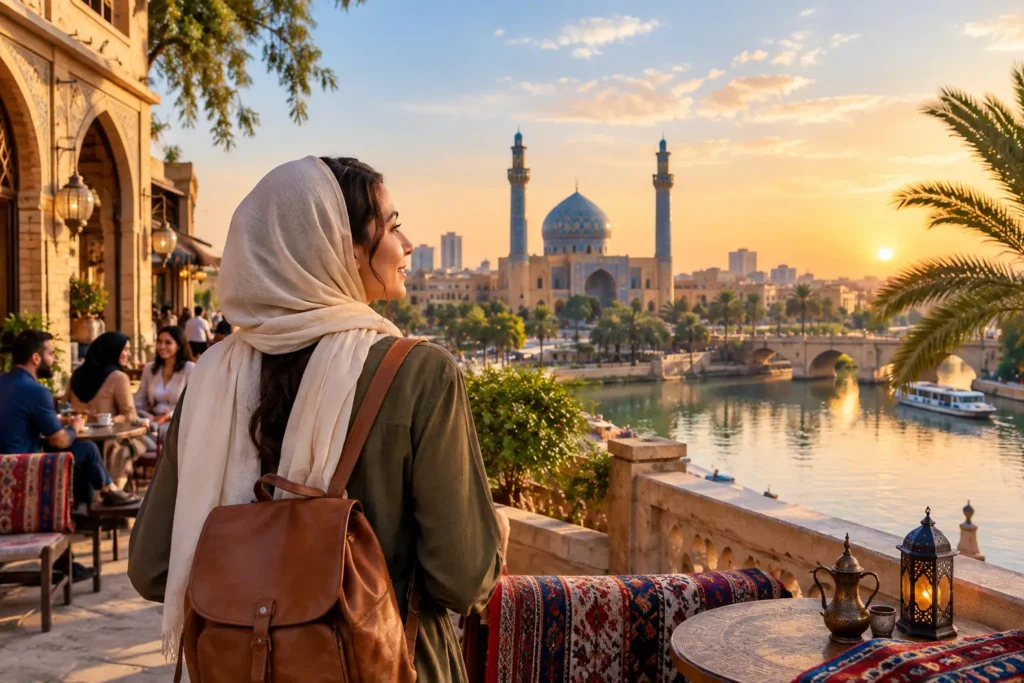
For many members of the Iraq diaspora, the decision to visit is not simply about taking a holiday. It may begin with a parent’s stories of a neighbourhood, a family recipe whose exact taste has never quite travelled, or a desire to stand in a shrine, city or ancestral home that has shaped their identity from afar. A return to Iraq can be deeply emotional, but it can also be joyful, contemporary and surprisingly personal.
Iraq is often spoken about through its ancient past or its place in family memory. Yet for diaspora visitors, the most meaningful discovery is often the living country: cousins gathering over tea, the early rhythm of a market, a new café in a familiar city, generous conversations with strangers, and a landscape that makes inherited stories feel real. Travelling with care and realistic preparation allows space for all of it.
What return means for the Iraq diaspora
There is no single diaspora experience. Some visitors were born in Iraq and are returning after many years. Others grew up abroad, understand Arabic or Kurdish to different degrees, and know the country largely through parents and grandparents. Some travel for family celebrations, while others come for pilgrimage, research, photography or a first independent encounter with their heritage.
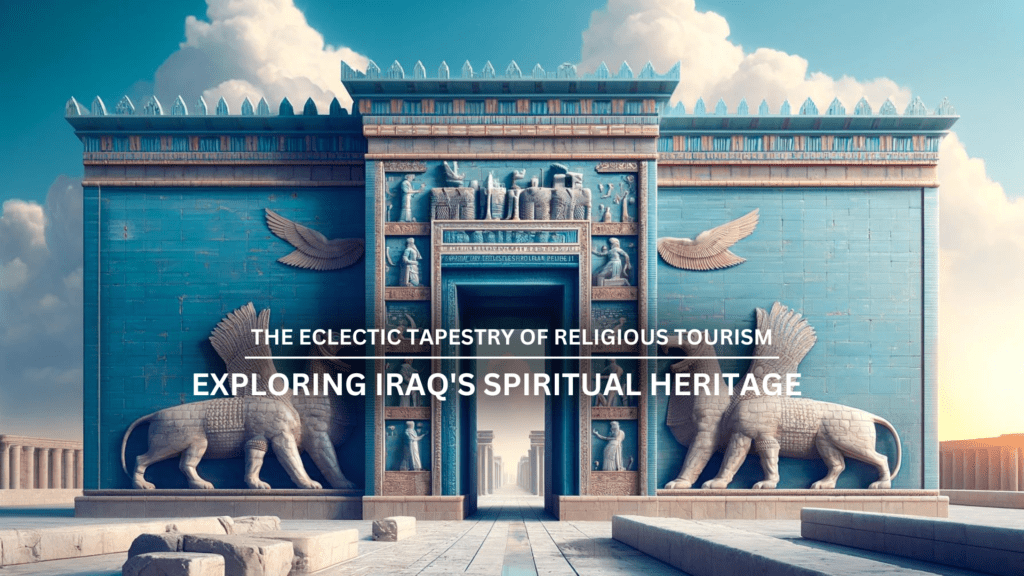
That difference matters. A first-time visitor may want more structure, a dependable driver and accommodation that offers reassurance after a long journey. Someone visiting relatives may need more flexibility and time between family commitments. Pilgrims may build a journey around Najaf, Karbala, Kadhimiya or Samarra, while heritage-focused travellers may place Babylon, Ur, Hatra, Erbil Citadel or the Marshes at the centre of their route.
The most rewarding itinerary is rarely the one that tries to see everything. Iraq is a country of layers, and a return visit is often better when it leaves room for conversation, rest and unplanned invitations. A long lunch with family can be as valuable as another landmark.
A country known through family, then experienced firsthand
Diaspora travellers sometimes arrive with an imagined Iraq assembled from photographs, family anecdotes and social media. The real experience may feel both familiar and unfamiliar. A city may have changed in pace, scale or style. Family members may remember places differently. Your own connection may be emotional even if you do not speak the language fluently.
That is not a failure of belonging. It is part of diaspora travel. There is no test to pass and no required level of cultural knowledge before visiting. Curiosity, patience and respect go a long way. Learning a few everyday greetings, asking relatives about local customs, and accepting that you may need help navigating practical details can turn uncertainty into connection.
Iraqi hospitality is often felt in these small moments. Guests are offered food before they ask for it, directions become a conversation, and introductions quickly reveal unexpected connections between families, towns and communities. Visitors should receive that warmth graciously, while remembering that hospitality is not an invitation to assume access to every private space or story.
Let family knowledge guide, not limit, the journey
Relatives can be the best source of local insight. They may know which neighbourhood is easiest for staying, when roads are busiest, where to find a favourite local breakfast or which family member will insist on showing you around. Their advice is particularly useful when planning around religious observances, weddings and major gatherings.
At the same time, it is worth making room for your own interests. If you are drawn to Mesopotamian history, traditional architecture, food, landscapes or contemporary city life, say so. Iraq offers far more than a checklist of family visits. A balanced trip might combine several days with relatives in Baghdad or Basra with a guided day at a historic site, a quieter stay in the Kurdistan Region, or time to experience a city at your own pace.
Planning a return with confidence
Good preparation does not make a journey less spontaneous. It gives you the freedom to enjoy it. Entry requirements, visa eligibility and border procedures can vary by passport, point of entry and the purpose of travel. Check current official guidance before booking, and confirm the details again close to departure rather than relying on old advice shared online or within family groups.
Accommodation deserves the same attention. Staying with relatives can be meaningful and practical, but it may not suit every stage of a trip, especially if you are arriving late, travelling with children, working remotely or hoping for a little privacy after a busy day. A well-located hotel can provide a comfortable base while keeping you close to family and the city. For longer visits, consider dividing your stay between relatives and accommodation of your own.
Transport plans should be realistic. Distances between cities can be considerable, and travel times depend on the route, time of day and local conditions. Pre-arranging airport collection, using trusted local drivers where appropriate, and avoiding overly ambitious same-day journeys will make the experience easier. If you are travelling independently, ask locally about the best current route before setting off.
Packing also benefits from thought. Modest, breathable clothing is appropriate for many settings and essential at religious sites. Bring comfortable shoes for uneven historic ground, a power bank, copies of important documents and any prescription medicines you need. During warmer months, plan outdoor sightseeing early in the morning or later in the afternoon, leaving the middle of the day for museums, meals or rest.
Travelling respectfully across places and traditions
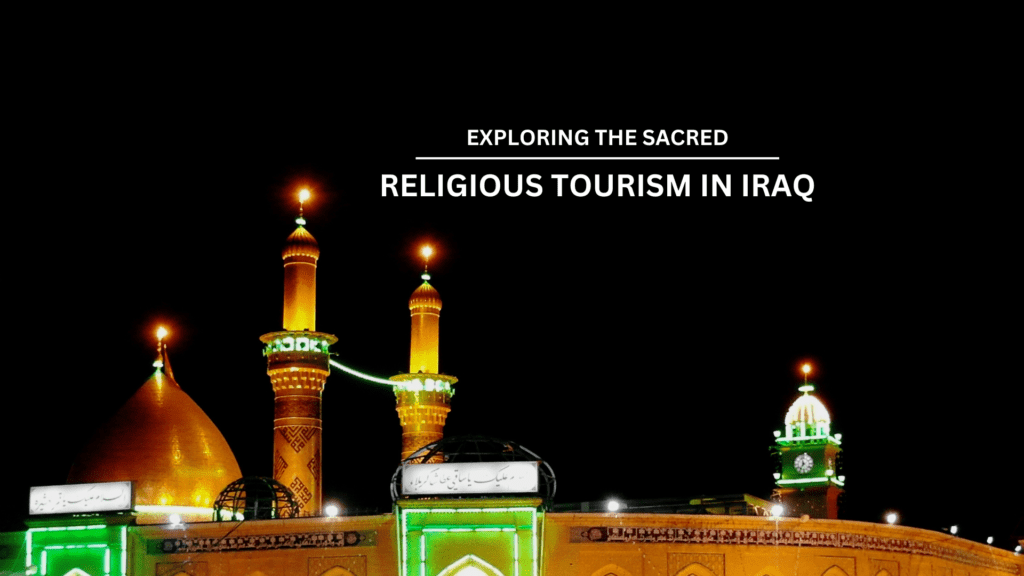
Iraq’s cultural and religious heritage is not a backdrop. It is part of daily life, held with deep pride by communities across the country. Visitors to shrines, mosques and other sacred spaces should dress modestly, follow local guidance on photography and be mindful of prayer times and crowd flow. At some sites, women may be asked to cover their hair, and clothing requirements can differ by location.
The same consideration applies when photographing people. Markets, landscapes and historic streets can be visually compelling, but it is courteous to ask before taking close portraits, particularly of elders, families and anyone in a private or devotional setting. A simple request often opens the door to a warmer exchange than a hurried photograph ever could.
Food is another meaningful way to reconnect. Ask family members about dishes associated with their town or community, whether that is masgouf by the Tigris, dolma prepared for a gathering, kubba, biryani, fresh bread or a cup of heavily sweetened tea. Rather than treating cuisine as an attraction to consume quickly, let meals become an occasion to listen. Recipes often carry migrations, memories and regional identities within them.
Making space for a journey that is your own
A return can bring expectations. Relatives may be eager to see you, introduce you to others and fill every hour with visits. Their enthusiasm is generous, but it is acceptable to set a gentle pace. Explain in advance if you need quiet time, want a morning for sightseeing or plan to meet friends independently. Clear communication protects both your energy and your family relationships.
For visitors travelling with children or younger relatives, the trip can be an especially powerful bridge between generations. Let them hear family stories in the places where they happened, but do not make every day a history lesson. A football match, a riverside walk, a sweet shop or a shared taxi ride can create the memories that make a place feel close.
Diaspora travellers also bring something valuable with them: attention. They may notice details that residents overlook and understand family narratives in a new way once they see the streets, distances and communities behind them. Sharing those experiences thoughtfully can encourage others to look beyond simplified impressions of Iraq and recognise a country defined by hospitality, creativity, faith and enduring human connection.
Returning does not have to be a one-time event
The pressure to make a first visit perfect can be heavy. You may not reach every city, meet every relative or resolve every question about identity in a single journey. That is alright. Iraq rewards return, whether that means coming back for a religious occasion, a cousin’s wedding, a new historic route or simply another meal with people who make you feel at home.
Stay In Iraq exists to help make those journeys feel more practical as well as more meaningful, with destination information and accommodation discovery designed around the needs of real travellers. The best return is not measured by how much you fit into a schedule. It is measured by the moments that remain with you after you leave – and the confidence to come back.