Kufa is not a city to rush through between larger stops. Its streets and shrines hold some of the most formative moments in Islamic history, while its setting near the Euphrates gives the visit a quieter, more reflective rhythm than many first-time travellers expect. For visitors searching for the top Kufa landmarks to explore, the reward is a place where devotion, scholarship and everyday Iraqi hospitality remain closely connected.
Just east of Najaf, Kufa is easy to include in a wider pilgrimage or heritage itinerary. Allow at least half a day, although a slower visit gives you time to absorb the atmosphere, speak with local people and move respectfully between the city’s major sites.
Top Kufa landmarks to explore with care and context
The Great Mosque of Kufa
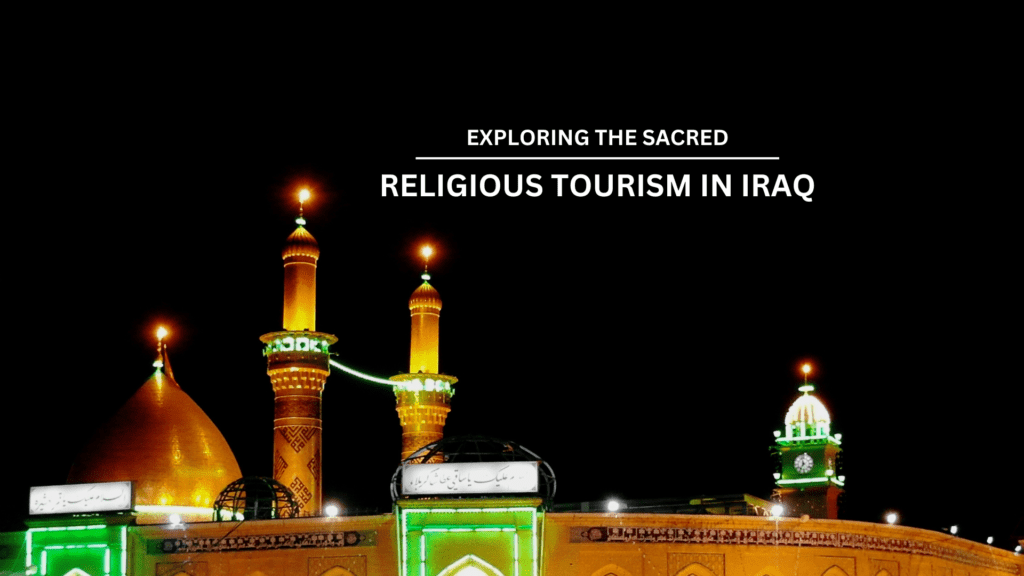
The Great Mosque of Kufa is the essential starting point. Founded in the seventh century, it is among the oldest and most revered mosques in the Islamic world. Its importance comes not only from its age, but from its association with Imam Ali ibn Abi Talib, the fourth caliph in Sunni tradition and the first Imam in Shia Islam, who made Kufa the centre of his caliphate.
The mosque’s large courtyard, arcades and prayer spaces create an immediate sense of scale, yet the experience is often deeply personal. Pilgrims recite prayers, families arrive together, and visitors from many countries pause quietly at places of religious significance within the complex. A guide can add valuable historical context, but even independent visitors will find clear signs of the mosque’s living spiritual role.
Dress modestly and follow the lead of worshippers. Women may be asked to wear a head covering, and all visitors should expect to remove their shoes in appropriate areas. Photography rules can vary by section, so it is best to ask before taking close photographs of people or devotional spaces.
The Mihrab of Imam Ali
Within the Great Mosque is the mihrab associated with Imam Ali’s final prayers. For Shia Muslims, this is one of Kufa’s most emotionally significant places. Visitors may see pilgrims standing in quiet reflection or offering prayers nearby.
This is not a site to treat as a quick photo stop. Take a moment to understand why it matters, keep voices low and avoid interrupting those who are praying. Kufa welcomes respectful visitors of all backgrounds, and sensitivity here is a meaningful part of the travel experience.
The House of Imam Ali
Also within or closely associated with the Great Mosque complex is the traditional house of Imam Ali. The site is remembered as a place connected with his family life and leadership during the years when Kufa served as the capital of the caliphate.
Its significance lies less in grand architecture than in the human scale of the story it represents. After the majesty of the mosque, this landmark helps visitors picture Kufa as a functioning city of homes, governance, learning and community. For diaspora travellers especially, it can be a moving place to reflect on the enduring relationship between faith, family and public responsibility in Iraqi history.
Dar al-Imara, the former governor’s palace
Near the Great Mosque, the remains associated with Dar al-Imara reveal Kufa’s former role as a political and administrative centre. The governor’s palace formed part of the city’s early urban core, close to the mosque rather than separated from it. That proximity says much about how civic authority, worship and public life were organised in early Islamic Kufa.
Archaeological remains do not always offer the instant visual impact of a grand shrine. Still, they give depth to the visit. Pause here after seeing the mosque and imagine a city that drew scholars, commanders, poets and merchants from across the expanding Islamic world.
The Shrine of Muslim ibn Aqil
The shrine of Muslim ibn Aqil is another major stop for religious visitors. Muslim ibn Aqil was a close relative and representative of Imam Husayn, and his story holds a central place in Shia memory. The shrine is a place of pilgrimage and devotion, with a warm, active atmosphere that reflects its importance to visitors from Iraq and beyond.
Approach it as you would any major sacred site: dress conservatively, keep your mobile phone discreet, and be patient at busy times. If you are not familiar with the history, a local guide or trusted religious guide can help explain the context with the care it deserves.
The Shrine of Hani ibn Urwa
Close to the shrine of Muslim ibn Aqil, the shrine of Hani ibn Urwa honours a respected companion whose loyalty is remembered alongside the events connected to Karbala. Visiting both shrines together provides a fuller understanding of why Kufa remains so significant in pilgrimage routes.
The two sites also show something important about travel in Iraq: heritage is rarely isolated from community. You may meet multigenerational families, pilgrims sharing food or tea, and local residents happy to offer directions. A simple greeting and a respectful manner go a long way.
The Mosque of al-Sahla
A short distance from central Kufa, the Mosque of al-Sahla is one of the city’s most cherished spiritual landmarks. It is particularly important in Shia tradition and is associated with several prophets and revered figures. Its open courtyard and prayer areas can feel notably calm, especially outside peak pilgrimage periods.
Many visitors choose to come in the late afternoon or early evening, when the light softens and the mosque fills gradually with worshippers. It is a good place to slow your pace. Rather than trying to see every detail at once, sit quietly for a few minutes and observe the gentle rhythm of a site that has welcomed generations of believers.
Kufa beyond the shrines
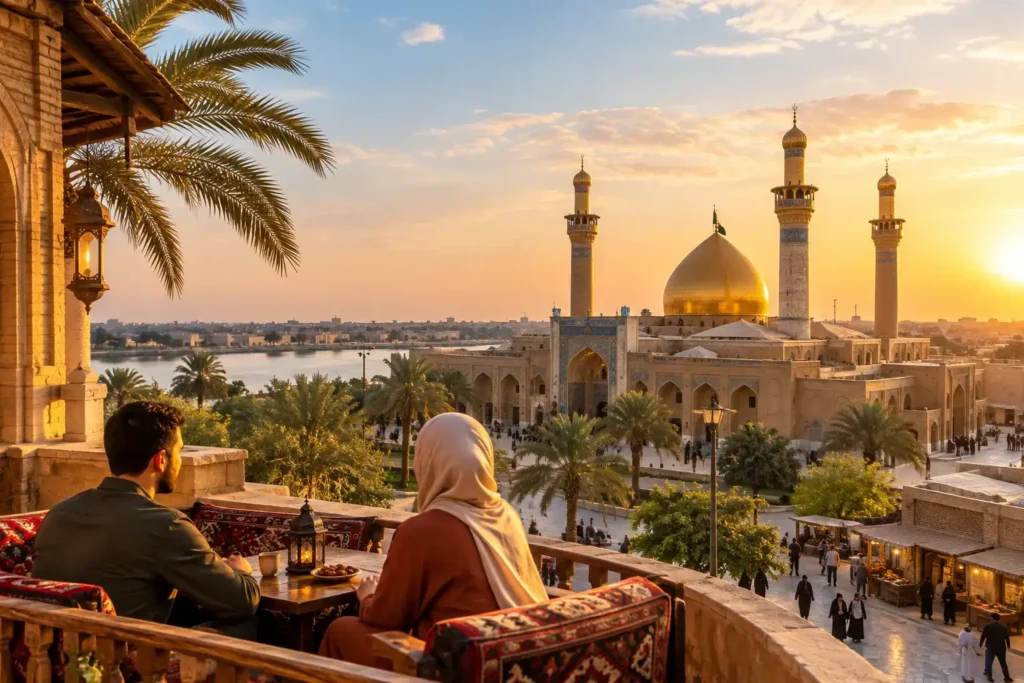
Kufa’s value is not limited to its religious monuments. The city sits within a wider landscape shaped by the Euphrates, date palms, old neighbourhoods and the neighbouring holy city of Najaf. As you travel between sites, look beyond the formal itinerary. Small cafés, bakeries and local shops offer a more everyday glimpse of life in southern Iraq.
If time allows, arrange your day so that you do not have to hurry back immediately. A cup of Iraqi tea after visiting the mosque, a conversation with a local shopkeeper, or a quiet walk near the river can make the city feel more personal. These are the moments that often challenge assumptions and reveal Iraq as it is lived: generous, layered and open to those who arrive with curiosity.
Practical tips for visiting Kufa
Kufa is commonly visited from Najaf, where travellers will find a broader choice of accommodation and transport connections. The journey between the two cities is short by car, though travel times can change with traffic and pilgrimage activity. Agree transport arrangements in advance, particularly if you plan to visit several sites in one day.
Morning is usually the most comfortable time for sightseeing in warmer months. Religious occasions can bring large numbers of pilgrims and create an extraordinary atmosphere, but they also require extra patience with crowds and road access. It depends on whether you prefer the energy of a major observance or a more contemplative visit.
Bring water, wear comfortable shoes and choose modest, loose clothing suitable for mosque courtyards and shrine entrances. Keep identification and essential travel documents secure, and check current local guidance through your accommodation or a trusted local contact before setting out. Stay In Iraq can help travellers make Kufa part of a wider, well-planned journey through Najaf and Iraq’s cultural heartlands.
Kufa asks visitors to arrive with more than a checklist. Give the city time, listen to the stories held within its sacred spaces, and let its welcome turn a historic visit into a genuine human connection.