Basra rewards travellers who slow down. Its story is not held in one monumental complex or behind a single ticket gate: it lives in waterside streets, carved wooden balconies, mosque courtyards, palm-lined horizons and the memories of a city shaped by trade, scholarship and faith. This Basra heritage sites guide is designed for visitors who want to experience that depth with curiosity, respect and realistic expectations.
The city is best approached as a living cultural landscape. Some landmarks are carefully maintained and easy to visit; others are fragile, locally known, or best understood with a knowledgeable guide. Allow time for conversation, dress respectfully, and keep your plans flexible. That is often how Basra becomes most memorable.
Start with Basra Museum
For a clear introduction to southern Iraq’s long history, begin at Basra Museum. Set beside the Shatt al-Arab, the museum brings together archaeological material and cultural objects that help place Basra within the wider story of Mesopotamia and the Gulf. Collections and displays may change, but a visit can offer useful context before you head into the older quarters.
Look closely at the objects that reveal everyday life as well as royal history: pottery, inscriptions, coins and items connected to trade. Basra was founded in the seventh century and grew into one of the Islamic world’s great port cities, with commercial and intellectual connections reaching far beyond Iraq. The museum gives that broad history a human scale.
Opening arrangements can vary, so confirm access locally before setting out. If you are travelling with a guide, ask them to explain how the river, date cultivation and maritime trade shaped the city’s identity. These themes will reappear throughout your visit.
Walk Al-Ashar Creek and the old commercial quarters
The area around Al-Ashar Creek is one of the most evocative places to understand Basra’s mercantile past. Here, waterways once linked markets, homes, warehouses and boats moving between the city and the Shatt al-Arab. Even where the fabric of the old city is weathered, the relationship between water and commerce remains visible.
Take a daytime walk through the surrounding streets and notice the traditional shanasheel: projecting wooden balconies and screened windows that once offered shade, airflow and privacy. Their detailed timberwork is among Basra’s most distinctive architectural signatures. Some buildings have been restored, while others show the effects of age, humidity and changing urban life. That contrast is part of the experience, but it also means visitors should avoid entering structures that are closed, private or visibly unsafe.
This is a place to look up as much as you look ahead. Doorways, façades and balconies can reveal layers of Ottoman-era and late nineteenth- and early twentieth-century urban design. A local guide is especially valuable here, not because the quarter needs to be rushed through, but because names, family histories and former trading routes are often carried through local knowledge rather than signage.
Visit Old Basra with context
The archaeological site of Old Basra, also known as Al-Basra, lies outside the modern city and holds exceptional importance in early Islamic history. Founded in the seventh century, Basra began as an early garrison settlement before becoming a major centre of learning, literature, theology and trade. It was home to influential scholars and played a defining role in the development of Arabic language studies.
This is not a polished, museum-style attraction, and that distinction matters. Facilities can be limited, interpretation on site may be modest, and conditions depend on access arrangements and the season. Travellers who expect dramatic reconstructed monuments may find the visit understated. Those interested in archaeology and the foundations of Islamic urban history, however, may find it deeply moving.
Go with a local guide or an organised day plan, particularly if it is your first visit to Basra. Bring water, sun protection and sturdy shoes, and ask in advance about current access. The reward is a more direct sense of the scale of Basra’s early history: a city whose intellectual and commercial influence once extended across the region.
Include Al-Zubayr’s religious heritage
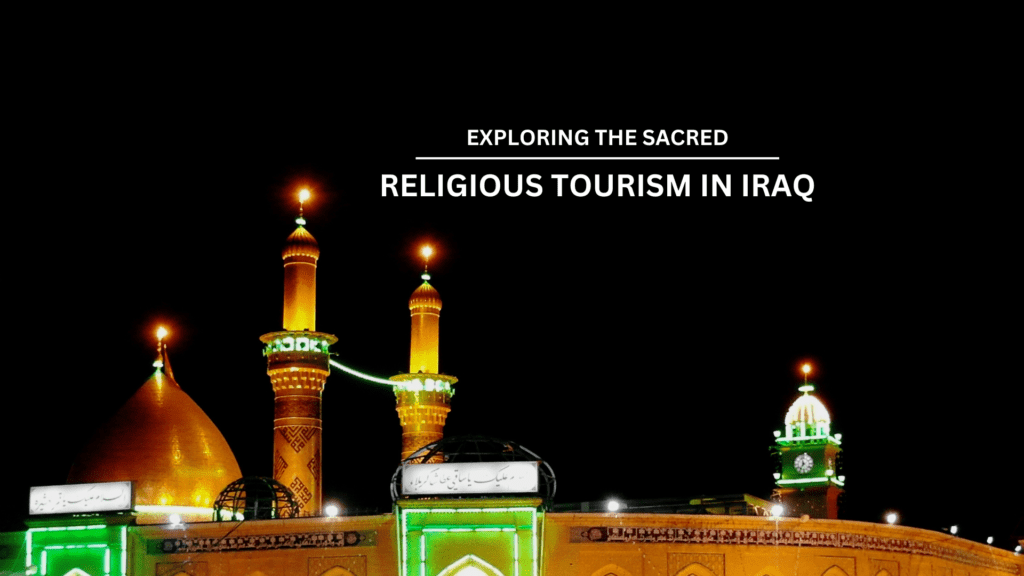
A short journey from central Basra, Al-Zubayr is closely associated with the revered companion of the Prophet Muhammad, Al-Zubayr ibn al-Awwam. The mosque and shrine area are significant to many Muslim visitors and form an important part of the wider Basra heritage landscape.
For religious sites, the right approach is simple: arrive modestly dressed, speak quietly, follow any guidance on photography, and be mindful that worshippers and pilgrims have priority. Women may wish to carry a headscarf, while all visitors should wear clothing that covers shoulders and knees. Customs can differ according to the site and the time of day, so take cues from staff and local visitors.
Even for travellers who are not visiting for pilgrimage, Al-Zubayr offers meaningful insight into the spiritual traditions that continue to shape life in southern Iraq. It is best experienced with humility rather than as a quick photo stop.
Make time for the Shatt al-Arab and Basra’s date-palm landscape
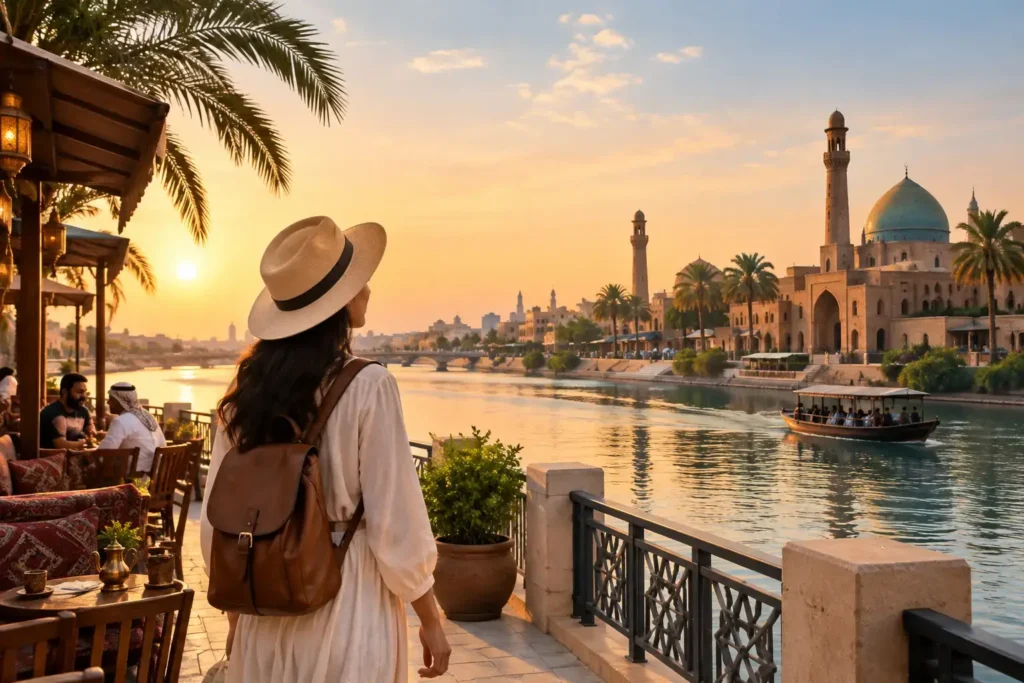
Heritage in Basra is also environmental. The Shatt al-Arab, formed by the meeting of the Tigris and Euphrates, has long been central to the city’s identity. Along its banks, the presence of water, boats and palms explains why Basra developed as a trading gateway and why its food, poetry and social life carry such a strong sense of place.
A riverside drive or a quiet tea stop can complement the more formal heritage sites. If you are invited to share tea or a meal, accept when you can and when it feels appropriate. Iraqi hospitality is not a performance for visitors; it is a genuine part of daily life, and respectful conversation often becomes the highlight of a trip.
The best experience depends on timing. Cooler months are more comfortable for long walks and outdoor excursions, while summer heat calls for earlier starts, shaded breaks and a lighter itinerary. A private driver or trusted local guide can make it easier to combine the riverfront, old quarters and outlying sites in one day.
Practical advice for a respectful Basra visit
Basra is a city to experience deliberately rather than by ticking off landmarks. Plan your day around prayer times, heat and travel distances, especially when visiting shrines or archaeological areas. Friday can be busier around mosques, while museums and public sites may have different hours during religious holidays.
Photography is welcomed in many public settings, but always ask before photographing people, inside religious spaces or near official buildings. In markets and older residential streets, a friendly request goes a long way. Basra’s heritage is lived in, not simply displayed.
Choose accommodation that gives you a dependable base for early departures and evening returns, then arrange local transport through your hotel or a trusted provider. Independent travellers can explore confidently with preparation, but local guidance adds depth where historical information is not always presented in English. Stay In Iraq can help travellers begin planning a comfortable stay alongside their cultural itinerary.
A thoughtful two-day heritage rhythm
If your time is limited, give Basra at least two days. On the first morning, visit Basra Museum, then spend the afternoon around Al-Ashar Creek and the old commercial streets. Keep the evening unhurried, perhaps with a riverside meal where you can reflect on the city’s relationship with the water.
Use the second day for Old Basra and Al-Zubayr, allowing for transport and access checks. This balance works well because it pairs Basra’s scholarly and archaeological roots with its continuing religious life. If you have longer, leave space for the riverfront, local markets and conversations that cannot be scheduled.
Basra does not ask visitors to admire its past from a distance. It invites them to see how architecture, faith, trade and hospitality still meet in the present. Travel with patience, ask thoughtful questions, and let the city reveal itself at its own pace.