Baghdad has never lacked reasons to be visited. Its name carries the weight of the Abbasid caliphate, the House of Wisdom, celebrated poets, crowded book markets and a food culture that turns a simple shared meal into a lasting memory. What is changing is the ability for more people to experience those qualities directly. The Baghdad tourism future is not about turning the city into a polished imitation of somewhere else. It is about making its real character easier to understand, reach and enjoy with confidence.
For international visitors, Baghdad can still feel like a destination surrounded by questions. How straightforward is the journey? Where should you stay? What does a first day in the city look like? The next stage of tourism depends on answering these questions clearly, honestly and consistently, while preserving the warmth and local texture that make Baghdad unlike any other capital.
Baghdad Tourism Future Starts With Its Living Heritage
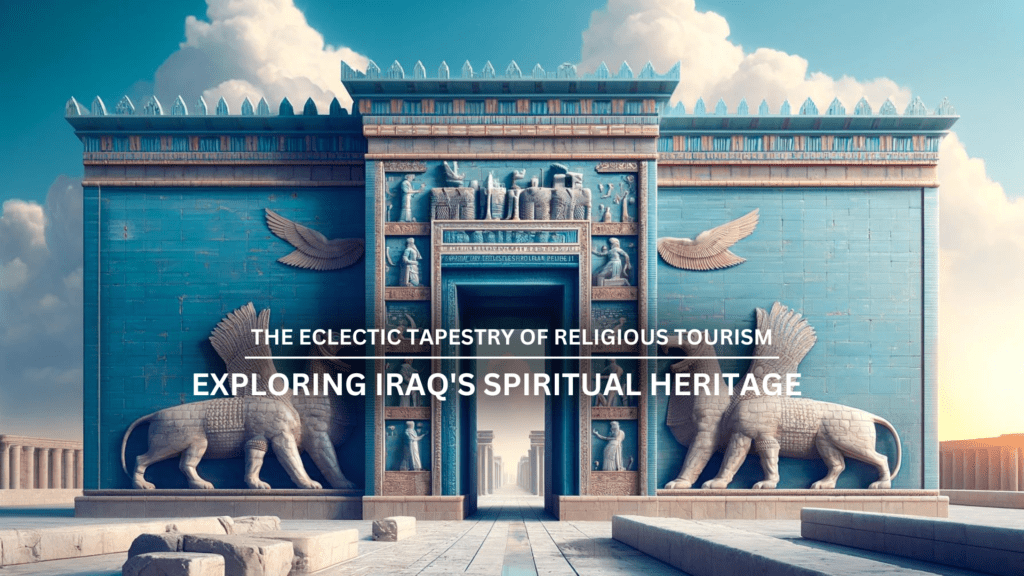
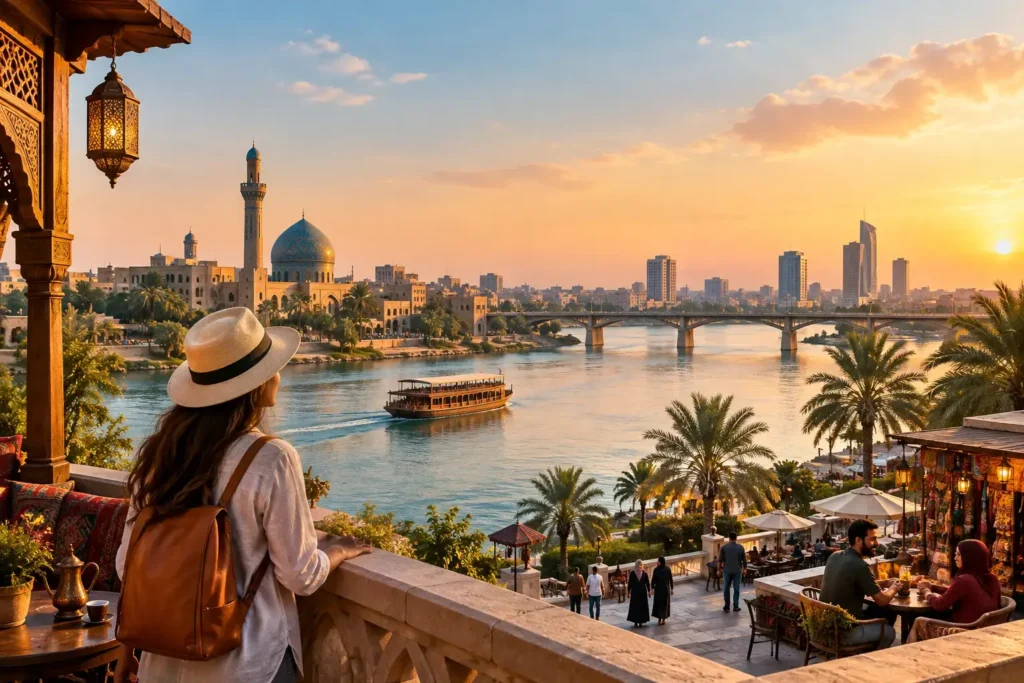
Baghdad is often introduced through its extraordinary past, and rightly so. Few cities hold such a central place in the intellectual, artistic and commercial history of the region. Yet visitors who arrive expecting only monuments soon find a city defined by living traditions: families gathering by the Tigris, cafés filled with conversation, the scent of grilled masgouf, calligraphic detail, local markets and the familiar generosity offered to guests.
That combination is Baghdad’s strongest tourism asset. Heritage here is not confined to display cases or old stones. It appears in the daily rhythm of Al-Mutanabbi Street, in the booksellers and readers who give the area its intellectual pulse, and in the creative energy found in galleries, restaurants and cultural spaces across the city. A traveller may come for history, but often remembers the people who explained it, shared it or simply made them feel welcome.
The opportunity is to present these experiences with more structure. Clearer visitor information, thoughtfully led walking routes, reliable opening details for cultural sites and better interpretation in multiple languages can turn curiosity into a well-planned visit. This does not require Baghdad to become over-managed. It requires the city’s stories to be easier for travellers to follow.
A More Practical Visitor Experience Matters
Inspiring images and historical facts can begin the journey, but practical confidence is what helps a traveller commit to it. Baghdad’s tourism future will be shaped as much by dependable basics as by its famous landmarks. Visitors need straightforward guidance on entry requirements, transport options, suitable areas to stay, local etiquette, connectivity and how to organise their time.
Travel conditions and visa rules can change, so guests should always check the latest official requirements before departure. Once plans are taking shape, choosing accommodation with a clear location, responsive communication and relevant guest information can make a significant difference, particularly for first-time visitors. A well-placed hotel is not merely a room for the night. It can provide a useful starting point for understanding the city’s pace and planning daily travel.
Transport is another area where local knowledge matters. Baghdad is a large, active capital, and travel times can vary considerably. Rather than attempting to see everything in one day, visitors are better served by organising their itinerary around neighbourhoods and allowing space for unplanned moments: a stop for tea, an extended conversation with a shopkeeper or an evening meal recommended by a host.
For independent travellers, this may mean arranging trusted local transport and asking accommodation staff for current advice. For others, a local guide can add context and reduce uncertainty, especially when visiting historic areas for the first time. Neither approach is universally better. It depends on a visitor’s experience, language confidence and the depth of cultural interpretation they want.
Hospitality Is Infrastructure Too
Tourism discussions often focus on airports, hotels and roads. These matter, but hospitality is also a form of infrastructure. In Baghdad, a welcoming introduction, a patient explanation of a custom or a restaurant recommendation can shape a visitor’s understanding of the city more powerfully than a brochure.
This is particularly important for travellers arriving with outdated assumptions. Iraq’s appeal is not based on a carefully manufactured visitor experience. It lies in the sincerity of encounters that feel personal rather than staged. The challenge for the tourism sector is to protect that sincerity as visitor numbers grow.
Training, fair standards and clear expectations can help. Hotels, guides, drivers, cafés and cultural venues all play a part in creating a trip that feels organised without feeling impersonal. When service is reliable, visitors have more freedom to be present in the experience itself.
Culture, Faith and Creative Life Can Broaden Demand
Baghdad has the potential to welcome several kinds of traveller without diluting its identity. Heritage visitors may focus on the city’s Abbasid legacy and museums. Diaspora travellers may be seeking reconnection through family history, food and familiar streets. Photographers and writers may be drawn to architecture, riverside life and the city’s visual contrasts. Regional visitors may value Baghdad as a destination for culture, shopping and shared traditions.
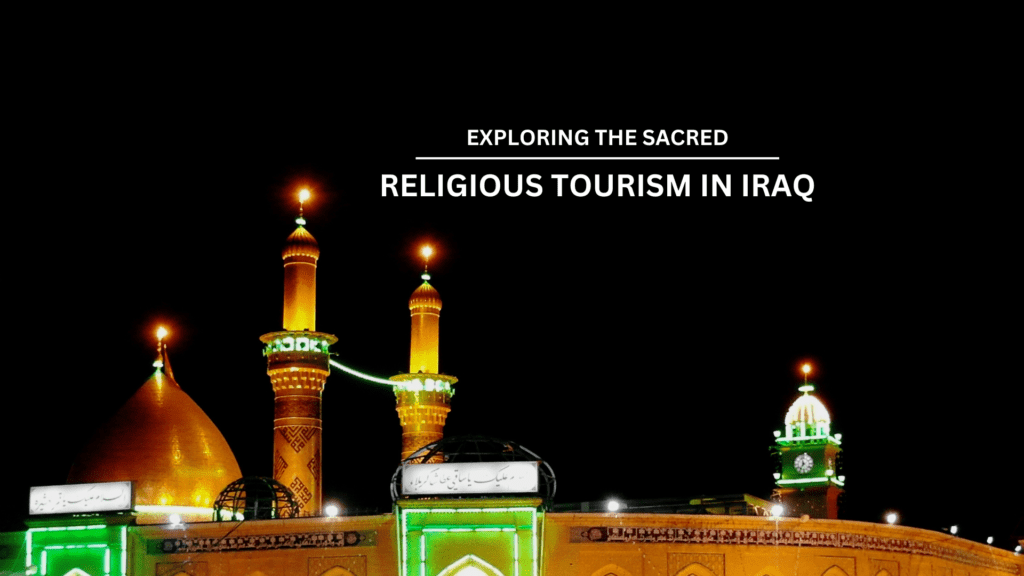
Religious travel also forms part of the wider picture. Baghdad and its surrounding areas hold deep spiritual significance for many visitors, and respectful, accurate information can help pilgrims plan their journeys with dignity and ease. Religious tourism should be communicated with care: not as a spectacle, but as a meaningful form of travel rooted in belief, history and community.
The city’s contemporary cultural life deserves equal attention. Baghdad is not only a place to look back. Its artists, chefs, designers, musicians, publishers and young entrepreneurs are contributing to a modern identity that visitors can encounter now. Cultural calendars, exhibitions, food experiences and creative workshops may not replace the city’s great historic attractions, but they can encourage longer stays and repeat visits.
That matters because the best tourism economies are not built solely on quick photographs at famous sites. They grow when visitors spend time in neighbourhood businesses, return in another season and recommend the destination because it offered something genuine.
Growth Must Respect the City and Its Communities
More tourism is not automatically better tourism. Baghdad’s future should be measured by the quality of visitor experiences and the benefits shared with local communities, not simply by arrival numbers. Historic districts need thoughtful care. Small businesses need a fair chance to participate. Residents should feel that tourism supports, rather than interrupts, daily life.
There is also a trade-off between convenience and character. Standardised tours can make planning easier, but they can flatten the surprises that make Baghdad memorable. Informal local experiences can be rewarding, but they work best when visitors understand cultural expectations and approach them respectfully. The most promising path is a balanced one: reliable information and professional services alongside room for spontaneous human connection.
Responsible visitors have a role to play. Modest, context-aware dress, permission before photographing people, patience with local routines and an interest in learning a few Arabic phrases all communicate respect. These small choices often lead to warmer exchanges and a more meaningful stay.
Building Trust One Journey at a Time
Baghdad does not need to persuade every traveller. It will be most rewarding for those willing to travel with curiosity, patience and respect for a city whose layers cannot be absorbed in a hurried weekend. But it should be easier for those travellers to find trustworthy information, suitable accommodation and itineraries that match their interests.
Digital travel platforms can support that shift by bringing practical planning together with richer storytelling. For a visitor researching Baghdad, reliable hotel details, city guidance and cultural context belong in the same journey. Stay In Iraq is part of this wider effort to turn interest in Iraq into realistic, well-informed travel plans.
The Baghdad tourism future will be built gradually: through better visitor services, carefully protected heritage, confident local hosts and guests who return home with stories more truthful than the assumptions they arrived with. For travellers prepared to meet Baghdad on its own terms, the city is already offering something rare: not a packaged version of history, but a living place ready to be understood.