A morning in Baghdad can begin with strong tea beside the Tigris, continue through the Abbasid-era streets around Al-Mutanabbi Street, and end with an invitation to share a meal. The question of guided tours versus independent travel is not simply about who holds the map. In Iraq, it shapes how confidently you move between cities, how much local context you gain, and how freely you can follow an unexpected conversation or recommendation.
For many first-time visitors, Iraq feels richly rewarding precisely because it is not a destination to rush. Its great sites, from Babylon and Ur to the holy cities of Najaf and Karbala, carry layers of history, faith and living community. The right travel style depends on your experience, your time, the regions you hope to visit, and the kind of connection you want to make.
Guided tours versus independent travel: the real choice
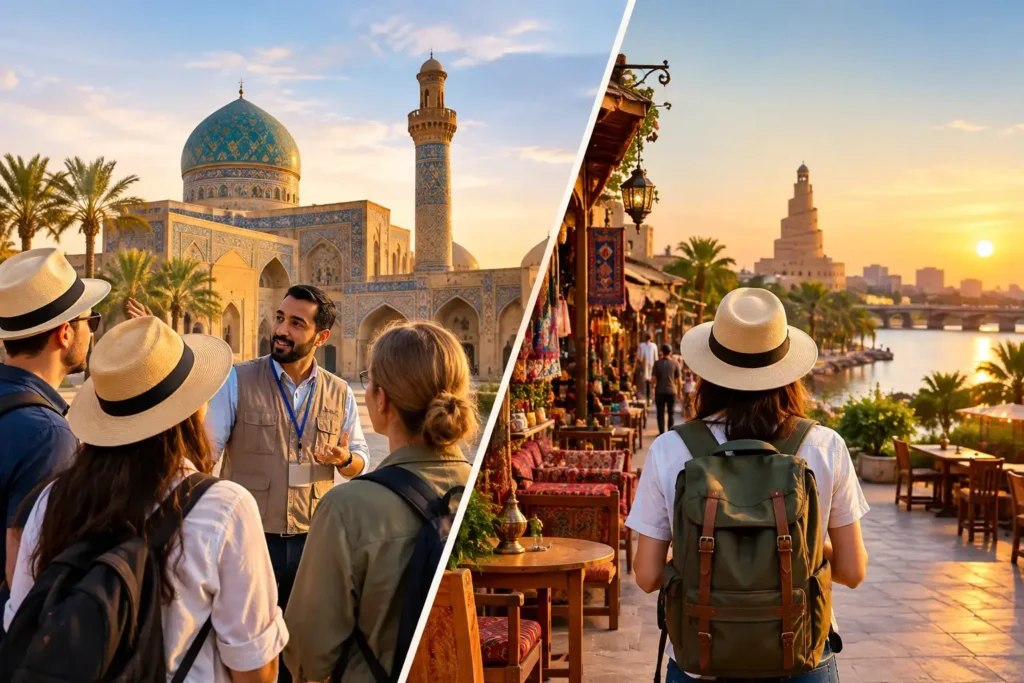
A guided tour gives a journey structure. Transport, hotels, entry arrangements and a day-by-day route are generally planned before arrival, leaving you more space to focus on what is in front of you. An independent trip gives you control: you can linger over a Baghdad breakfast, rearrange your route after discovering a local festival, or spend an extra day with family if you are visiting the country of your roots.
Neither approach is automatically more authentic. A thoughtful local guide can turn a historic site from a photograph into a story, explaining details that signage alone cannot provide. Meanwhile, an independent traveller who approaches people with courtesy, patience and curiosity may have remarkably personal encounters. Authenticity comes less from the format than from the care you bring to the journey.
The strongest choice is often a mixed one. Many travellers arrange a guide or driver for particular days, cities or archaeological sites, then keep time free in places where they feel comfortable finding their own rhythm.
Why a guided tour can be the wiser first step
Iraq’s cultural richness is extraordinary, but practical information can vary by city and season. A reputable guide helps reduce the small uncertainties that can consume a first-time visitor’s attention: where to meet a driver, when a site is open, which entrance to use, how to dress appropriately at a shrine, and how long the road journey will realistically take.
Context that changes the experience
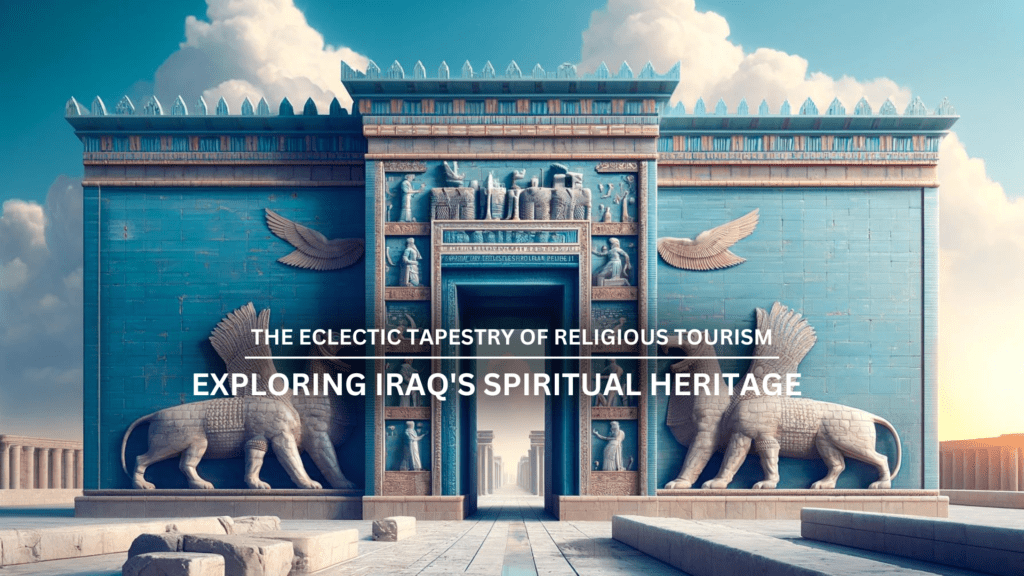
At Ur, a guide can place the ziggurat within the wider story of ancient Mesopotamia. In Mosul, they can introduce the city as a place of craft, food and layered heritage, rather than a name encountered only in headlines. In the marshes of southern Iraq, a local host can explain the relationship between water, reeds, homes and community life in a way that respects the place rather than treating it as a backdrop.
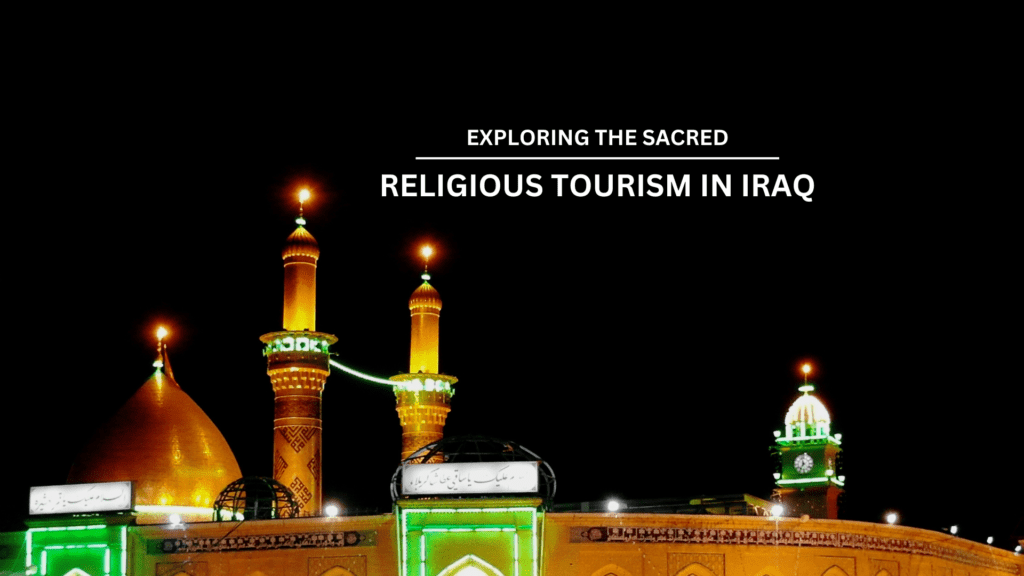
This context matters equally for religious travel. Visitors to Najaf, Karbala, Kadhimiya or Samarra should understand that these are active places of worship and devotion, not simply monuments. A guide with genuine local knowledge can help travellers observe etiquette, choose suitable timings and appreciate the spiritual significance of what they are seeing.
Practical support across a multi-city route
A guided itinerary is particularly useful when you want to cover Baghdad, Babylon, Najaf, Karbala, Basra or the Kurdistan Region within a limited number of days. Distances may look manageable on a map, yet road conditions, traffic and local schedules affect a real journey. Having transport and accommodation arranged can make a demanding route feel calm and purposeful.
It may also suit travellers who are visiting alone, those with limited time, photographers carrying valuable equipment, or anyone who prefers a known point of contact throughout their stay. That reassurance should not replace sensible preparation, but it can make a first visit feel considerably more manageable.
The trade-off: less room to wander
Tours can be more expensive than arranging elements yourself, especially where private transport is involved. They also move at a shared pace. If you are travelling in a group, you may have less time for a second cup of tea, a long conversation with a shopkeeper, or an unplanned detour to a neighbourhood bakery.
The answer is to ask detailed questions before booking. Find out the group size, the balance between sightseeing and free time, the standard of accommodation, the guide’s local expertise, and whether the itinerary can be adapted. A well-designed tour should feel informed rather than hurried.
The appeal of independent travel in Iraq
Independent travel suits visitors who enjoy planning, can adapt when arrangements change, and want their itinerary to develop organically. It is especially rewarding for diaspora travellers reconnecting with relatives and familiar places, as well as experienced visitors returning to explore one city in greater depth.
Staying several nights in Baghdad, for example, allows time for museums, book markets, riverside walks, cafés and neighbourhoods beyond the most famous landmarks. In Basra, a slower schedule can leave room for the city’s distinctive culinary traditions and its relationship with the Shatt al-Arab. Independent travel makes these quieter experiences easier to include.
Flexibility, value and personal pace
Planning your own route lets you choose accommodation and transport around your priorities. You may prefer a centrally located hotel for easy walking, a quieter stay near family, or a comfortable base from which to make day trips. You can also adjust your budget more directly, balancing simple local meals with special dining experiences or choosing when a private driver is worth the cost.
There is another benefit: independence encourages close attention. You learn the patterns of a city, notice which cafés fill at certain hours, and become more confident using local advice. Many travellers find that Iraq’s hospitality makes these moments memorable. A direction offered on the street may become a recommendation for lunch; a casual greeting may open a conversation about a family’s city and traditions.
Preparation is part of the journey
Independent travel requires more advance research, not less. Confirm visa requirements through official channels before booking, keep accommodation details and local contact numbers accessible, and check current transport options for each leg of your route. Schedules and procedures can change, so allow time around transfers rather than planning every day to the minute.
Respectful dress and behaviour are important throughout Iraq, and especially at religious sites. Carry clothing that covers shoulders and knees, with additional modest layers where needed. Always ask before photographing people, places of worship or sensitive locations. A few Arabic phrases are warmly received, while Kurdish can be useful in the Kurdistan Region, though many people working in tourism and hospitality also communicate in English.
A hybrid itinerary often offers the best of both
For many visitors, the most satisfying option is neither a fully escorted tour nor a completely self-arranged trip. Begin with guided support for the parts that benefit most from local knowledge: an arrival transfer, a first day in Baghdad, a visit to Babylon and nearby heritage sites, or a journey through the southern marshes. Then reserve independent days for wandering, resting and following personal interests.
A pilgrim might arrange assistance for shrine visits and transport between holy cities, while keeping a free day to reflect and explore at a gentler pace. A history enthusiast could use a specialist guide at Ur or Hatra, then spend unstructured time in museums and markets. A photographer may value a local fixer for access and introductions while retaining full creative control over the rest of the trip.
This approach also creates a useful bridge between confidence and freedom. A knowledgeable guide can help you understand local rhythms early in the visit. Once you know how a city feels, independent exploration becomes more relaxed and rewarding.
How to decide before you book
Choose a guided tour if you want a clear route, local interpretation and logistical support across several destinations. It is also a sensible choice if this is your first visit to Iraq or if you have only a short window to see key sites.
Choose independent travel if you are comfortable researching details, want to stay longer in one or two places, have family connections, or place flexibility above efficiency. Be realistic about your energy as well as your budget. A tightly packed self-planned itinerary can cost more time and patience than the savings are worth.
Whichever route you choose, make room for Iraq’s human side. Do not measure the trip only by how many ancient sites you tick off. Leave space for the tea offered after a question, the evening call to prayer across a city skyline, the aroma of fresh masgouf by the river, and the generosity of people proud to share their home.
Iraq rewards travellers who arrive prepared but remain open. Let a guide support you where knowledge matters most, let independence lead you where curiosity calls, and give each place enough time to speak in its own voice.