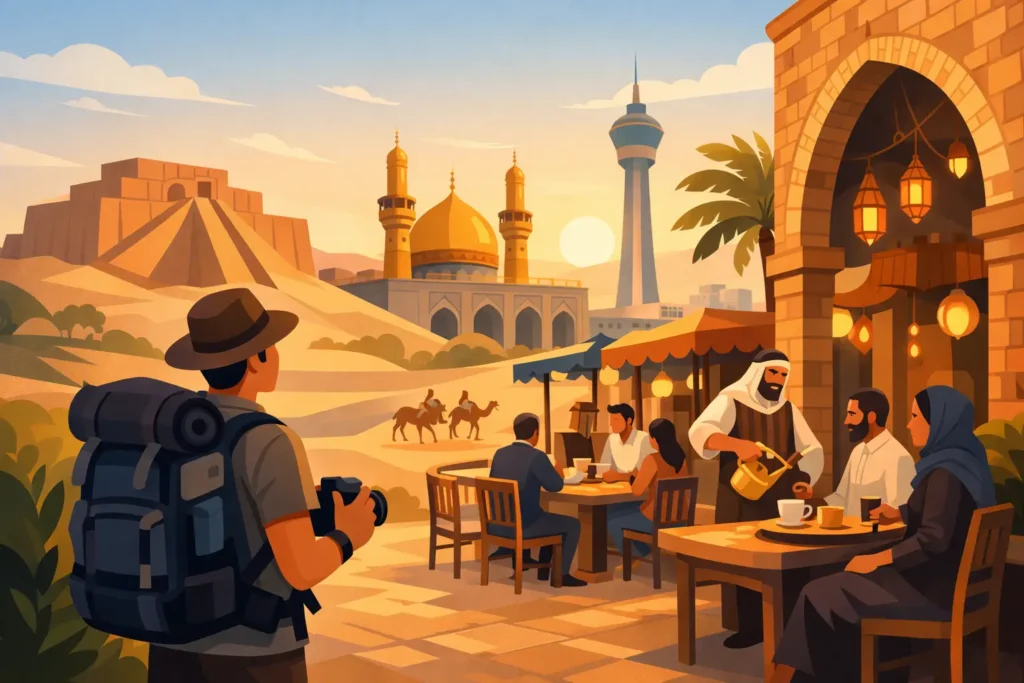
The first surprise for many independent travellers in Iraq is how quickly distance gives way to conversation. A bus station, a shrine courtyard, a tea stop in the south, a riverside street in Mosul – these are often the places where backpacking Iraq: the ultimate guide becomes less about maps and more about people. Iraq rewards curiosity, but it rewards preparation too.
For travellers who prefer to move independently, Iraq can feel both deeply memorable and occasionally demanding. It is not a destination where you simply arrive and improvise every detail without consequence. Yet it is far more accessible than many first-time visitors expect. With the right route, realistic planning and a respectful approach, backpacking here can be affordable, manageable and genuinely enriching.
Why backpacking Iraq feels different
Iraq is not a checklist destination. People come for the marshes, ancient cities, shrine cities, old bazaars, Abbasid streetscapes and archaeological depth, but they often remember the warmth first. Hospitality is part of the travel experience, not an optional extra.
That said, independent travel in Iraq works best when you understand the rhythm of the country. Travel days can be slower than expected. Rules and procedures can vary by location. Some areas feel straightforward for solo movement, while others are better approached with local guidance or a fixed plan. Backpacking here is less about rushing between sights and more about travelling with patience.
Backpacking Iraq: the ultimate guide to planning your route
Most backpackers do best with a focused itinerary rather than trying to cover the entire country in one trip. Iraq is rich enough that even one region can justify a full holiday.
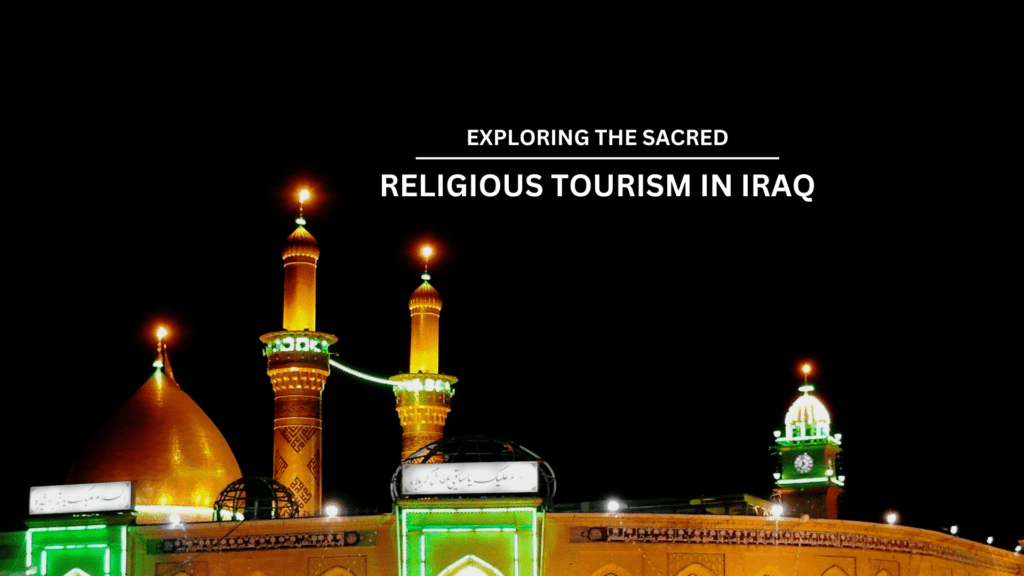
Baghdad is often the natural starting point. It gives first-time visitors a strong sense of modern Iraqi life alongside major heritage, markets and riverside culture. From there, many travellers continue south to Najaf and Karbala for religious significance and historic atmosphere, or to Basra for a different rhythm shaped by waterways, trade and Gulf culture.
Another strong route runs north through Mosul, where heritage, architecture and local resilience give the city enormous emotional depth, then onward to Erbil in the Kurdistan Region. This combination works well for travellers interested in urban history and contrast. If your aim is archaeology, places linked to ancient Mesopotamia can be woven into a wider route, but these are often easier with advance transport planning rather than spontaneous day trips.
If you have ten days, keep your itinerary tight. If you have two or three weeks, you can combine Baghdad, the shrine cities, the south and one northern section. The mistake is trying to do too much too fast.
Visa, entry and paperwork
Before booking anything, check the latest entry rules for your nationality through official channels. Visa arrangements can change, and travellers should never rely on old forum posts or second-hand claims. Some nationalities may find entry relatively straightforward, while others need to prepare more carefully before departure.
Keep printed and digital copies of your passport, visa documents, accommodation details and basic itinerary. Even when not requested, having organised paperwork makes arrival smoother and gives confidence at hotels, checkpoints and transport hubs.
Travel insurance is sensible, but read the policy wording closely. The cheapest policy is not always the most useful one. Backpackers should make sure their cover reflects the places they are actually visiting and the kind of independent travel they plan to do.
Getting around independently
Transport in Iraq is doable for backpackers, but it helps to let go of the idea that every route will be polished or clearly signposted. Shared taxis, private drivers and intercity coaches often play a bigger role than trains or self-guided public transport systems familiar in Europe.
Within cities, taxis are common and often the simplest option. In some places, ride-hailing apps may be available and can reduce the language barrier, but this varies. For longer journeys, shared taxis can be efficient and relatively economical, especially on well-used routes. They are not always the most spacious choice, but they can save considerable time.
For certain destinations, arranging a trusted driver through your accommodation can be worth the extra cost. This is one of those trade-offs that matters. Strictly speaking, the cheapest route is not always the easiest or most time-efficient. Backpacking Iraq on a very tight budget is possible, but a little flexibility with transport often improves the whole experience.
Where to stay on a backpacker budget
Budget travel in Iraq does not always look like classic hostel culture. In many cities, independent travellers are more likely to use locally run hotels and guesthouses than backpacker hostels in the conventional sense. Standards vary, which means research matters.
The best-value stays are usually places that balance location, cleanliness and staff support rather than simply the lowest nightly rate. Near major religious sites, demand can rise sharply during important dates, so prices and availability may shift. In larger cities, mid-range options can sometimes offer much better overall value than the absolute cheapest room.
If this is your first time in Iraq, booking your first few nights in advance is wise. It gives you a stable arrival point and a local base from which to judge onward plans.
Costs and daily budget
Iraq can be reasonable for backpackers, but costs depend heavily on how independently you can move and how often you choose convenience. Street food, local eateries and shared transport can keep spending moderate. Private cars, last-minute room choices and frequent long-distance travel will raise your budget quickly.
A careful backpacker can travel far more economically than many expect, especially if they travel slowly and avoid constant city-hopping. The hidden cost is often not food or entry fees, but transport decisions made on the spot. Build in a buffer for flexibility. Iraq is better travelled with enough room in your budget to adapt.
Safety, confidence and common sense
The right way to think about safety in Iraq is neither romantic nor alarmist. Conditions vary by region, city and timing, so practical awareness matters. Follow current local advice, keep up with official travel guidance for your nationality and ask your accommodation about any area-specific considerations before setting out.
In day-to-day travel, the basics go a long way. Dress respectfully, avoid wandering aimlessly late at night in unfamiliar districts, keep your valuables discreet and use registered or recommended transport where possible. Solo travellers, including solo women, may find some places feel more comfortable with added local support or a clearer day plan. That is not a reason to avoid Iraq – it is simply part of travelling intelligently.
The reassuring reality is that many visitors find their experience defined far more by generosity and welcome than by difficulty. Confidence comes from preparation, not from pretending every destination works the same way.
Cultural etiquette matters here
Iraq is a country where respect opens doors. Modest dress is the safest and most considerate default for both men and women, especially in shrine cities and conservative areas. In religious settings, follow local expectations carefully and observe before photographing people or sacred spaces.
A few words of Arabic can make a real difference, even if your pronunciation is imperfect. Politeness, patience and gratitude are noticed. Accepting tea, greeting elders properly and showing genuine interest in a place rather than treating it as a backdrop will shape your journey more than any packing trick.
Photography deserves extra thought. Always ask before taking close portraits, and be especially careful around checkpoints, government buildings and sensitive sites. If unsure, do not take the photo.
What to pack for Iraq
Pack lighter than you think, but smarter. Breathable modest clothing, comfortable walking shoes, a power bank, a scarf or shawl, copies of documents and enough cash planning for places that may not accept foreign cards will all help. Iraq’s climate can be intense, particularly in warmer months, so sun protection and hydration are not optional.
A backpacking kit for Iraq should favour practicality over trend. Laundry can usually be solved locally. The things that matter most are reliability, comfort and cultural appropriateness.
The best time to go
Spring and autumn are generally the most comfortable seasons for independent travel. Summer can be extremely hot, particularly in central and southern Iraq, which affects both sightseeing and transport stamina. Winter can be pleasant in some areas, though conditions vary by region.
Timing also matters culturally. Religious occasions can create extraordinary atmosphere and meaning, especially for pilgrims and culturally engaged travellers, but they can also affect crowd levels, room availability and transport flow. Whether that is a benefit or a complication depends on the kind of trip you want.
Backpacking Iraq with the right mindset
The travellers who get the most from Iraq are rarely those chasing volume. They are the ones who leave space for conversation, adapt when plans change and understand that heritage here is not trapped behind museum glass. It lives in shrines, in marshland communities, in old streets, in family-run hotels and in the pride people take in welcoming guests.
If you approach Iraq with curiosity, humility and a practical plan, backpacking here can be one of the most rewarding journeys in the region. Let your route be realistic, let your expectations be informed, and let the country reveal itself at its own pace.