A sunrise over the marshes, the brickwork of Babylon, a quiet moment in Najaf, a shared lunch in Baghdad: Iraq rewards travellers who choose their journey with intention. Learning how to choose Iraq tours is less about finding the longest itinerary and more about finding a trip that gives the country the time, context and respect it deserves.
Iraq is not one experience. Its ancient cities, sacred shrines, mountain landscapes, riverside communities and modern urban life each ask for a different pace. The right tour should make room for the landmarks that brought you here, while leaving space for the conversations and everyday encounters that often become the most memorable part of a visit.
Start with the Iraq you want to experience
Before comparing tour companies or prices, decide what has drawn you to Iraq. This simple step prevents a common mistake: booking a general itinerary when your real interest is pilgrimage, archaeology, photography or reconnecting with family heritage.
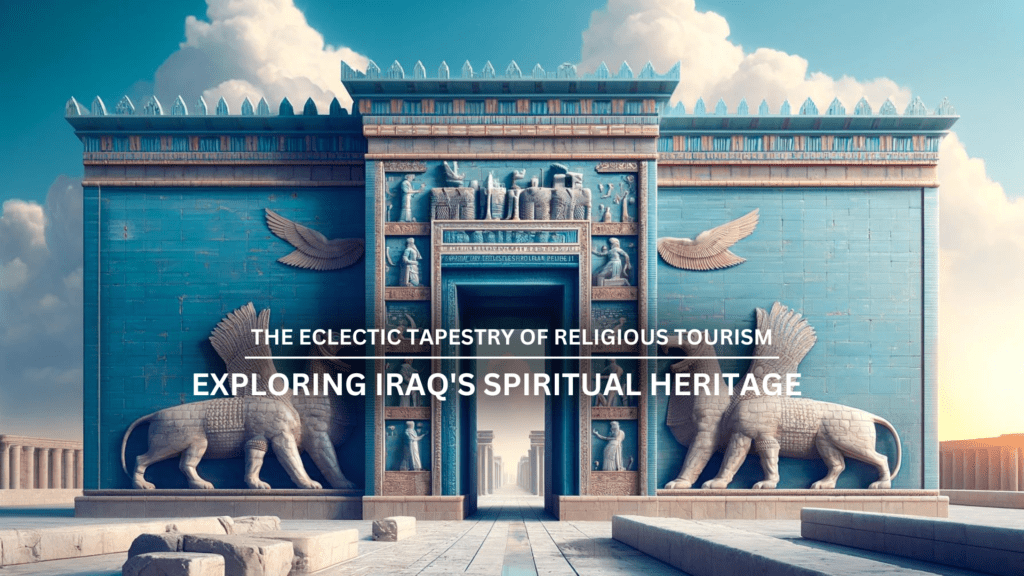
A heritage-focused journey may centre on Baghdad, Babylon, Ur, Samarra and the museums or archaeological landscapes that bring Mesopotamian history into focus. These routes suit travellers who want informed interpretation, not simply a series of photographs at famous sites. Ask how much time is actually spent at each location and whether the guide can explain the historical context in a clear, engaging way.
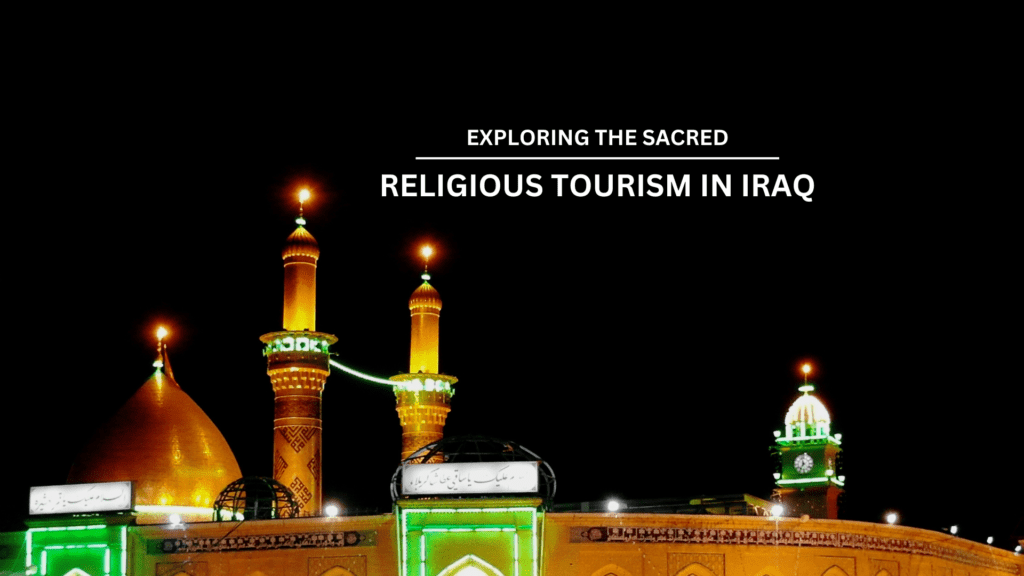
Religious travel calls for a different kind of planning. Visitors travelling to Najaf, Karbala, Kadhimiya or Samarra may value a guide who understands devotional etiquette, prayer times, dress expectations and the rhythm of major religious sites. A thoughtful tour should never treat sacred places as quick stops. It should allow visitors to participate respectfully, reflect and move through these spaces without unnecessary pressure.
For travellers seeking nature and local life, the southern marshes offer a striking contrast to Iraq’s great cities. A well-planned visit can include a boat journey, time with local hosts and an explanation of the ecology and cultural traditions of the area. In the north, landscapes, villages and historic towns may appeal to those looking for a slower, more scenic route. These itineraries require realistic driving times and locally knowledgeable planning.
How to choose Iraq tours by itinerary, not promises
An appealing description is not enough. Read the day-by-day itinerary and look for evidence that it is practical. Iraq is vast, and a route that appears efficient on a map can become tiring if it relies on long road days, frequent hotel changes or rushed visits to important places.
A strong first trip often focuses on one region or follows a logical route between a small number of cities. For example, Baghdad and the central and southern heritage sites can form a rewarding journey without trying to cover every corner of the country. If you have more time, you can add the marshes, northern destinations or additional pilgrimage sites.
Be cautious of tours that promise Baghdad, Babylon, Ur, Basra, Najaf, Karbala, Mosul and the Kurdistan Region in a very short period. Such an itinerary may be possible on paper, but it can leave little room for rest, delayed journeys or the unplanned hospitality that makes travel in Iraq so meaningful. Seeing fewer places well is usually more valuable than collecting a long list of names.
Ask whether the schedule includes arrival and departure transfers, daily transport, entrance fees, meals and sufficient free time. Clarify what happens if site opening times change or travel plans need adjusting. Flexibility is a sign of experienced local operations, not a lack of organisation.
Match the pace to your travel style
Group size matters. A small group can make it easier to ask questions, adjust meal stops and enjoy more personal interactions. It can also cost more per person. Larger groups may offer better value and a sociable atmosphere, particularly for solo travellers, but they tend to operate to a firmer timetable.
Private tours offer the greatest flexibility and can be especially suitable for families, diaspora visitors, photographers or travellers with specific religious and cultural priorities. They are not automatically better, however. The quality still depends on the guide, route and local relationships behind the itinerary.
Consider your comfort with early starts and road travel. Iraq’s highlights are spread across a large geography, and some travelling days are unavoidable. A reputable operator will be honest about journey times rather than presenting every transfer as effortless.
Choose a guide who adds meaning
In Iraq, a guide is more than a person who manages transport and tickets. They can help you understand why a shrine matters to its visitors, how a historic neighbourhood has evolved, or what a dish says about the city where it is served. This human context turns a visit into a connection.
Ask who will guide the tour and in which language. Look for guides with deep local knowledge, professional experience and a respectful approach to communities and religious sites. If your interests are specialised, ask directly about them. A traveller interested in ancient history may need a different level of interpretation from someone focused on Islamic architecture, family roots or documentary photography.
It is also reasonable to ask whether the same guide will accompany the group throughout the trip or whether local guides are used in different destinations. Both models can work well. What matters is clear communication and continuity of care.
Good guides do not make Iraq feel staged. They help visitors meet the country as it is: historically profound, culturally diverse, generous in spirit and full of ordinary daily life alongside extraordinary heritage.
Check accommodation and transport carefully
Tour quality is often decided after the sightseeing ends. A hotel should be more than a place to sleep between long drives. Its location, cleanliness, service, breakfast times and proximity to your next day’s plans all affect the rhythm of the trip.
Request the names of the hotels, or at least the standard and neighbourhood, before paying a deposit. In major cities, central or well-connected accommodation can give you more time to enjoy an evening walk, a café or a relaxed dinner. In pilgrimage destinations, proximity to the places you plan to visit may be more important than a particular hotel style.
Transport deserves the same attention. Find out whether the group will use a private car, minivan or coach, how much luggage is practical, and whether water is provided on longer journeys. Air conditioning, comfortable seating and sensible breaks are not luxuries on a multi-day road itinerary. They help you arrive with the energy to appreciate what you came to see.
Stay In Iraq can be useful during this stage of planning, particularly when you want to compare accommodation options alongside your chosen route rather than treating your hotel as an afterthought.
Look for clarity on practical arrangements
A trustworthy operator explains what is included, what is not included and what they need from you before travel. The price should state whether it covers hotels, transport, guiding, site entry, meals, domestic flights where relevant and visa support or advice. Do not assume that a lower headline price represents better value if essential costs emerge later.
Visa rules and entry procedures can change, depending on your nationality and route of travel. Use current official guidance and confirm the practical process with your tour provider before booking flights. A reliable company will avoid guarantees it cannot make and will explain its support clearly.
You should also ask about payment terms, cancellation conditions and travel insurance. Read these details before committing, especially if you are arranging a private itinerary or travelling during a busy pilgrimage period. Clear written terms are a basic sign of a professional service.
For current travel conditions, follow official advice from your own government and remain open to sensible itinerary adjustments. Good preparation is not about assuming the worst. It is about giving yourself the confidence to travel responsibly and enjoy the experience fully.
Respect is part of choosing well
The best tours prepare guests for local customs without making them feel intimidated. Iraq is known for warm hospitality, and accepting tea, sharing food and greeting people with courtesy are often small moments that lead to genuine connection.
Dress modestly, especially at religious sites, and follow your guide’s advice on site-specific etiquette. Women visiting shrines may need a head covering, while all visitors should be prepared to remove shoes in designated areas and avoid photographing people or sacred spaces without permission. These are not obstacles to the experience. They are ways of entering it with care.
A responsible operator will also avoid reducing local communities to a backdrop for visitors. Look for tours that use local guides, choose locally owned businesses where possible and give travellers time to engage respectfully. Your spending and attention can support the people who keep Iraq’s cultural traditions alive.
Choose the tour that leaves room for discovery
The right Iraq tour will not claim to show you everything. It will give you a well-considered route, clear practical support and enough breathing room to feel the character of each place. Choose the itinerary that reflects your purpose, ask direct questions before you pay, and allow Iraq’s history and hospitality to reveal themselves at a human pace.