Najaf is not simply a place to tick off an itinerary. For millions of visitors, a journey to the city is an act of devotion, remembrance and personal reflection centred on the holy shrine of Imam Ali ibn Abi Talib. Knowing how to plan Najaf pilgrimage travel thoughtfully means giving equal attention to spiritual preparation and practical detail, so that your time in this remarkable Iraqi city feels calm, respectful and purposeful.
The city welcomes pilgrims from Iraq, the wider Muslim world and the international diaspora throughout the year. Its sacred atmosphere is immediate: prayer, hospitality and quiet acts of service shape the rhythm of daily life around the shrine. With the right timing, documents, accommodation and local awareness, Najaf is an increasingly achievable destination for visitors seeking a meaningful religious journey.
Begin with the purpose of your visit
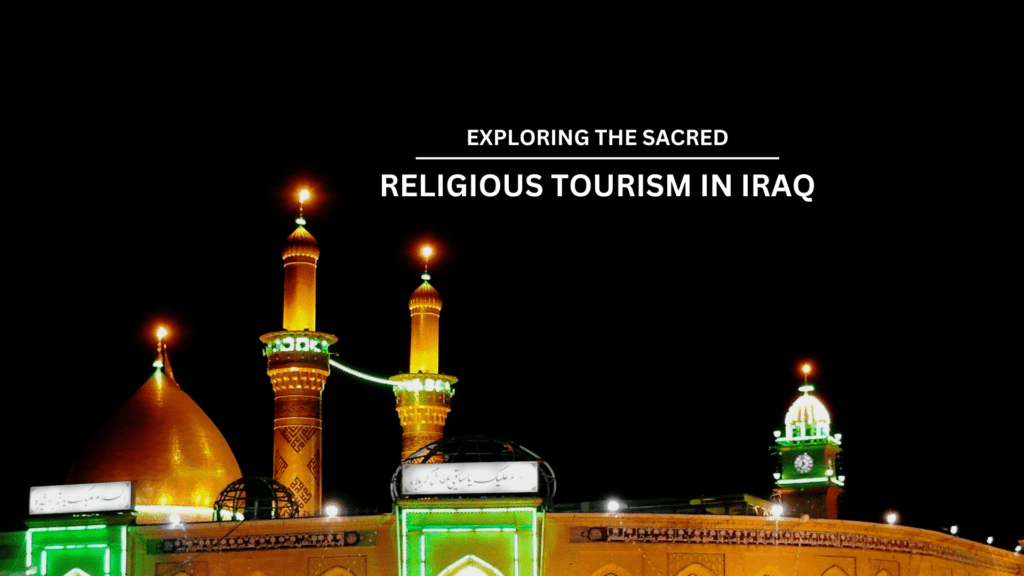
A Najaf pilgrimage is commonly organised around ziyarat at the Imam Ali Shrine, one of the most important sacred sites in Shia Islam. Some travellers come for a short visit focused on prayer and reflection, while others combine Najaf with Karbala, Kufa, Baghdad, Samarra or wider heritage sites across Iraq. Your intention will shape the pace of the trip.
If this is your first visit, allow at least two full days in Najaf. This gives you time to visit the shrine without rushing, adjust after travel, and see nearby places of religious and historical importance. A three- or four-night stay is more comfortable if you intend to visit Kufa and the Wadi al-Salam cemetery, or if you prefer to build in time for rest and unhurried worship.
Travelling with family, elderly relatives or young children requires an even gentler schedule. The central shrine area can become busy, particularly on Thursday evenings, Fridays, religious anniversaries and school holiday periods. Choosing accommodation within a practical walking distance can make a considerable difference.
Choose dates with care
Najaf can be visited year-round, but the experience changes significantly with the Islamic calendar and the weather. Religious dates follow the lunar calendar, so confirm them for the year you intend to travel.
Muharram, Safar and the period around Arbaeen bring a powerful sense of communal devotion across Iraq. They can also mean heavier crowds, limited room availability and slower journeys between cities. For experienced pilgrims who wish to be part of these major observances, the atmosphere can be deeply moving. For first-time visitors, or those travelling with limited mobility, a quieter period may offer more space and flexibility.
The summer months can be very hot, particularly during the middle of the day. Spring and autumn are often more comfortable for walking between your hotel, the shrine and nearby sites. Winter evenings can be cool, so pack an extra layer even if daytime temperatures feel mild.
It is wise to arrive a day before any major programme you hope to attend. Flights, road transfers and entry procedures can take longer during busy pilgrimage periods, and a small time buffer protects the purpose of the journey from unnecessary stress.
Confirm visas and entry requirements before booking
Iraq’s visa rules vary by nationality, passport type, point of entry and purpose of travel. Some travellers may be eligible for visa-on-arrival or an electronic visa arrangement, while others need to apply in advance. Requirements can change, so check directly with the relevant Iraqi embassy, consulate or official immigration authority before you commit to flights or non-refundable accommodation.
Make sure your passport has sufficient validity beyond your planned travel dates and carry printed copies of key reservations, your return or onward travel details, accommodation address and local contact information. If you are travelling as part of a group, clarify who is responsible for airport transfers, hotel check-in and movement between cities before departure.
Pilgrims with a non-Iraqi passport should also check their own government’s travel advice and travel insurance conditions. Insurance policies differ greatly in what they cover, particularly for medical care, changed itineraries and religious travel. Clear paperwork is not a formality – it gives you more freedom to focus on the visit once you arrive.
Getting to Najaf and moving around the city
Najaf International Airport is the most convenient arrival point for many pilgrims, with connections that vary seasonally from regional hubs and selected international cities. Baghdad can be another useful gateway, especially for travellers combining several destinations, though it requires a longer onward road journey.
Pre-arranging an airport pick-up through your hotel or a reputable local travel provider is usually the simplest option, particularly after a late arrival or when travelling with luggage. Agree the price, vehicle size and meeting point beforehand. Keep your hotel’s address saved in Arabic as well as English, as this can make communication easier.
Within central Najaf, much of the pilgrimage experience is best approached on foot. The lanes around the shrine are lively, compact and shaped by pedestrian movement. For longer trips, including Kufa or intercity travel to Karbala, use a trusted driver, hotel-arranged transport or an established operator. Avoid building a schedule around exact journey times during major observances, when roads and checkpoints may affect the flow of traffic.
Where to stay during a Najaf pilgrimage
Your hotel location matters more in Najaf than a long list of facilities. Staying near the Imam Ali Shrine can reduce time in traffic and allow you to return easily for prayer, rest or a change of clothes. It is particularly valuable for older travellers and for anyone visiting during a busy religious period.
However, the closest streets can be more active and noisier at peak times. A hotel slightly farther from the shrine may offer a quieter night and more straightforward vehicle access. The best choice depends on whether proximity, calm, room size, family arrangements or a reliable transfer service is your priority.
Before reserving, ask practical questions: Is the entrance accessible? Is breakfast available at the hours you need? Can the hotel organise airport collection? Are rooms suitable for your group? During high-demand dates, book as early as possible and confirm your reservation again shortly before arrival. Stay In Iraq can help travellers compare accommodation options as they build a realistic city-based itinerary.
Dress, shrine etiquette and respectful conduct
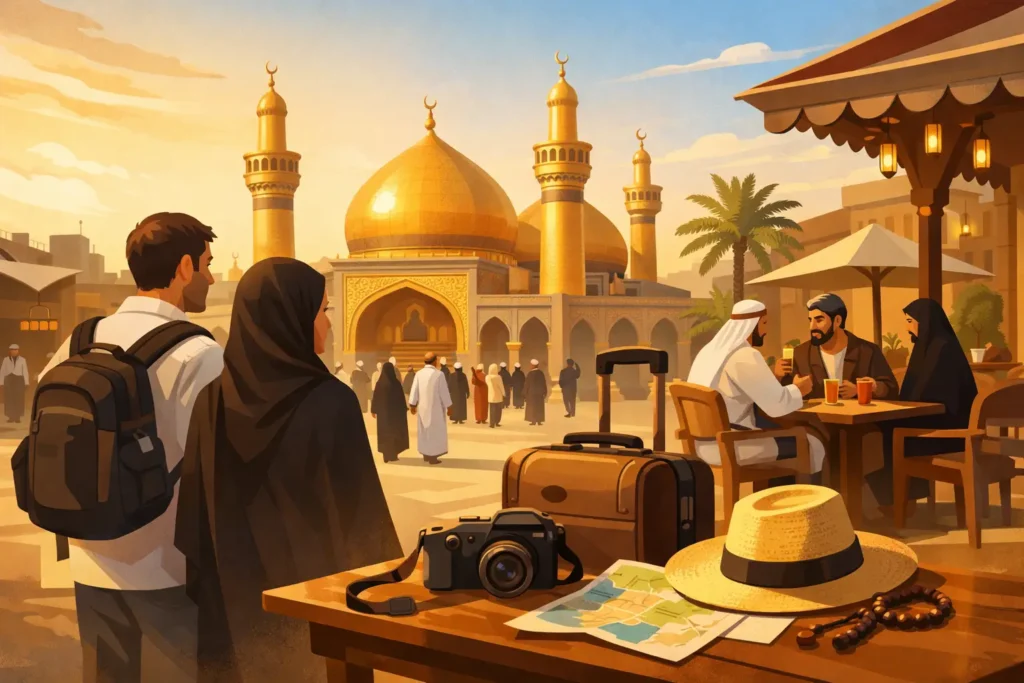
Najaf’s sacred spaces ask visitors to arrive with humility. Modest dress is expected in and around the shrine. Women should carry a head covering and wear loose, fully covering clothing; some areas may have specific requirements or provide additional coverings. Men should wear modest clothing, avoiding shorts and sleeveless tops in religious settings.
Remove shoes where required, follow signs and security instructions, and be mindful of worshippers who may be praying or grieving. Keep voices low inside sacred spaces. Photography rules can differ between areas and may change during major occasions, so always ask or observe posted guidance before taking photographs. Do not photograph people in prayer, religious scholars, security personnel or families without permission.
For non-Muslim visitors or those unfamiliar with Shia religious practice, the most respectful approach is to ask a trusted local guide or your hotel about current access arrangements before visiting the shrine. Entry practices and visitor rules should never be assumed. Curiosity is welcome when it is paired with discretion and respect.
Prepare for comfort, health and changing plans
Pack light, breathable clothes alongside a modest outer layer, comfortable closed shoes, a reusable water bottle, any necessary medicines and a small power bank. Bring enough prescription medication for the full journey, kept in its original packaging, and carry a copy of your prescription where appropriate.
Crowded days require patience. Agree a meeting point if travelling with others, especially if mobile signal becomes unreliable in dense areas. Keep valuables secure and carry only what you need when visiting the shrine. It is also useful to have some Iraqi dinars for smaller purchases, while confirming payment options with your hotel in advance.
A few Arabic greetings can open warm exchanges, although many people working with pilgrims are used to international visitors. “Salam alaikum” is a respectful greeting, and “shukran” means thank you. More than perfect language, good manners and patience are what people remember.
Make room for Najaf beyond the itinerary
The pilgrimage may centre on the shrine, but Najaf offers a fuller sense of Iraq’s living religious and intellectual heritage. Visit Kufa if your schedule allows, and consider time at Wadi al-Salam with a knowledgeable local guide who can explain its significance and the appropriate conduct expected there. Do not rush through these places as though they are ordinary sightseeing stops.
Leave space, too, for the generosity that often defines a pilgrimage journey: a shared tea, a helpful conversation at your hotel, or the quiet reassurance of being welcomed into a city that has received visitors for centuries. Plan carefully, arrive respectfully and allow Najaf to set its own pace. That is often where the most lasting part of the journey begins.