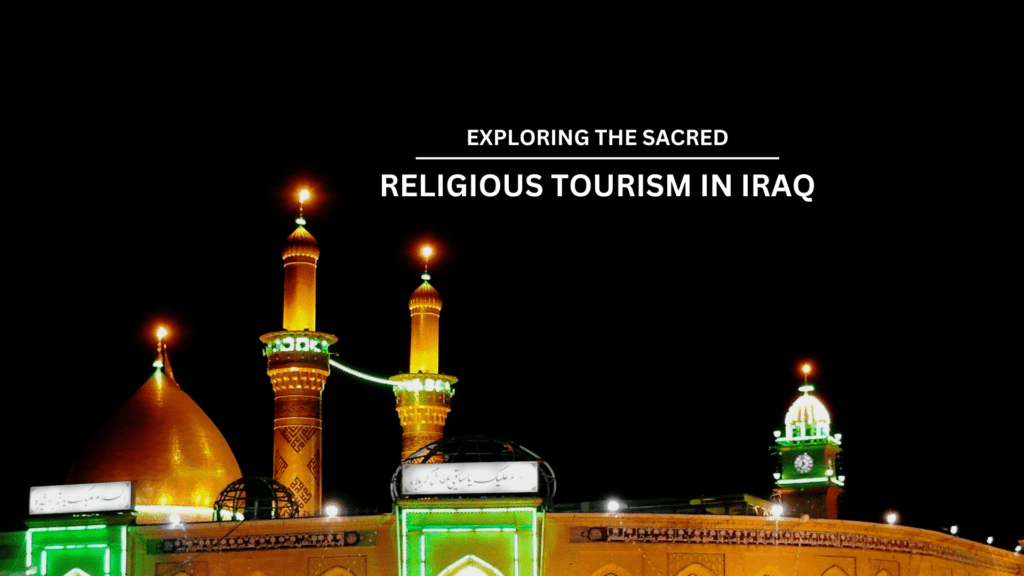
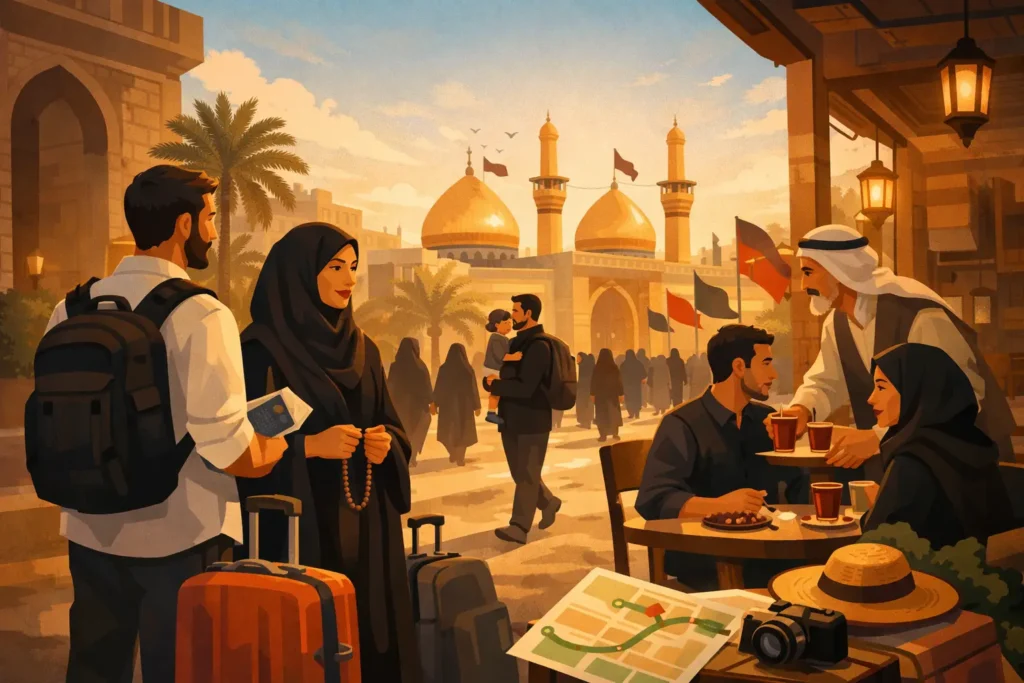
The first sight of the Arbaeen route can stay with a pilgrim for life: a road towards Karbala filled with people walking in shared remembrance, while families and volunteers offer water, food, rest and a sincere welcome. Knowing how to prepare for Arbaeen allows you to meet that experience with the physical readiness, cultural awareness and calm planning it deserves.
Arbaeen marks forty days after Ashura and commemorates Imam Hussein, his family and companions. For many Shia Muslims, the journey to the Holy Shrine of Imam Hussein in Karbala is an act of devotion, grief, gratitude and solidarity. It also welcomes people from many countries, backgrounds and levels of experience. Whether you are travelling as part of a group, returning to your family’s homeland or making your first visit to Iraq, thoughtful preparation helps you focus on the purpose of the pilgrimage.
How to prepare for Arbaeen before travelling
Begin with the practical foundations well before your intended departure. Arbaeen follows the Islamic lunar calendar, so its Gregorian dates change each year. The period around the pilgrimage is exceptionally busy, particularly in Najaf, Karbala and Baghdad. Flights, rooms and ground transport can be under pressure, making early planning far more valuable than last-minute improvisation.
Check the current entry requirements for your nationality through official Iraqi authorities or your nearest Iraqi embassy or consulate. Visa eligibility, application methods, fees and required documents can change, so avoid relying on old social media posts or advice intended for another passport holder. Keep digital and printed copies of your passport, visa, travel insurance details, accommodation confirmations and emergency contacts in a separate place from the originals.
It is wise to arrive a little before the main walking days if your schedule allows. This creates breathing room for delayed flights, airport formalities and finding your bearings. Najaf is a common starting point because pilgrims often visit the shrine of Imam Ali before walking to Karbala. Baghdad can also work as an arrival point, though it usually requires an onward journey. Your best route depends on flight availability, where you intend to stay and whether you are joining an organised group.
Accommodation deserves particular attention. Along the pilgrimage route, many mawkibs – community hospitality stations – provide food, drinks and places to rest. Their generosity is one of Arbaeen’s defining expressions of Iraqi hospitality. However, they should not be treated as guaranteed hotel accommodation, especially by international visitors with luggage, medical needs or a fixed departure schedule.
Book a suitable base in Najaf, Karbala or another practical location for the nights when you need privacy, a reliable shower, secure luggage storage or restorative sleep. During the busiest dates, availability varies quickly. A confirmed stay gives you a dependable point of return while allowing you to experience the communal spirit of the route respectfully.
Prepare your body for the walk
The most familiar Arbaeen journey is the walk from Najaf to Karbala, a distance of roughly 80 kilometres. Some pilgrims complete it in two or three days, while others take longer, walk only part of the route or use transport for sections. There is no single correct pace. The pilgrimage is not a race, and forcing yourself through pain can turn a meaningful experience into an avoidable injury.
If you are not used to long walks, begin training several weeks beforehand. Walk regularly in the footwear you expect to wear, then gradually increase both distance and time on your feet. Include a few walks on consecutive days, as tired legs often feel different on day two than they do on day one. If you have a health condition, are recovering from injury or take regular medication, seek personalised medical advice before committing to the route.
Your shoes are perhaps the most consequential item you will bring. Choose already broken-in walking trainers or supportive shoes with grip, rather than brand-new footwear. Carry blister plasters, basic first aid supplies and spare socks, and change socks whenever your feet become damp. Small habits – drinking water steadily, taking short rests and dealing with a hot spot before it becomes a blister – protect your ability to continue.
Iraq’s conditions can be demanding even when the pilgrimage falls outside peak summer heat. Sun, dust, crowds and long days can take more out of you than expected. Wear light, modest layers, use sun protection and keep a refillable water bottle accessible. Many mawkibs provide refreshments, but it remains your responsibility to stay hydrated and listen to your body.
Pack for comfort, modesty and mobility
Packing for Arbaeen is less about bringing everything and more about carrying what will genuinely support you. You may spend hours walking through crowds, entering shrines and resting in shared spaces, so a light daypack is better than a heavy suitcase on the route.
Bring these essentials:
- A passport pouch, copies of documents, local currency and a charged power bank.
- Broken-in walking shoes, several pairs of socks, blister care and personal medication.
- Modest, breathable clothing, a light outer layer, sun protection and comfortable sleepwear.
- A refillable water bottle, hand sanitiser, tissues, wet wipes and a small towel.
Dress should be clean, loose and respectful. Many women choose a long abaya or similarly modest covering for shrine visits, while men should avoid shorts and sleeveless tops in religious settings. Dark, simple clothing is common during Arbaeen as an expression of mourning, but comfort and modesty matter more than trying to copy a particular style. Carrying a scarf or additional covering is useful for adapting to different spaces.
Keep valuables to a minimum. Crowded gatherings require the same sensible care you would take at any major international event: use secure bags, stay aware of your belongings and agree meeting points with companions if you become separated.
Understand etiquette along the route
Arbaeen is sustained by service. Volunteers may insist warmly that you eat, rest or accept a drink. Receiving this hospitality with gratitude is often part of the human connection pilgrims remember most. A simple “shukran” goes a long way, while “salaam alaikum” is a respectful greeting that opens many conversations.
At the same time, accept what you need without wasting food or taking more than you can use. Mawkibs serve immense numbers of people, and the best response to generosity is consideration. Be patient in queues, make room for older pilgrims and families, and ask before photographing people, particularly during prayer, mourning rituals or private moments of rest.
Shrine etiquette is equally important. Follow security and entry instructions, dress modestly, keep your voice low in prayer areas and observe where photography is restricted. Non-Muslim visitors who come with respect are often received warmly, but sacred spaces are not sightseeing backdrops. Take time to understand what you are witnessing and let local guidance lead.
Learning a few Arabic phrases can make the journey easier, although you will also hear Persian, Urdu, Turkish and many other languages along the route. Iraqi people are known for making visitors feel welcome, and patience, warmth and humility are more useful than perfect pronunciation.
Plan transport, communication and safety thoughtfully
During Arbaeen, normal road journeys can take longer because routes are busy and traffic arrangements may change. Build flexibility into every transfer, especially airport journeys and travel between Najaf, Karbala and Baghdad. If you are travelling independently, arrange reputable transport in advance where possible and confirm pick-up details clearly. Group travel can reduce logistical pressure, but it may offer less freedom over your walking pace and daily schedule.
Buy a local SIM or ensure your mobile plan works in Iraq, then save key contacts offline. Download maps before travelling, carry the address of your accommodation in Arabic if possible, and share your itinerary with a trusted person. Follow the guidance of local authorities, shrine staff and your accommodation team, particularly around crowd movement and restricted areas.
Health preparation also means allowing rest. Sleep may be lighter than usual, meals may be different from home and the emotional intensity of the pilgrimage can be considerable. Schedule an easier day after reaching Karbala if you can. It gives you space to visit with more presence rather than arriving exhausted and immediately rushing onwards.
Arrive with an open heart and a flexible plan
Arbaeen cannot be reduced to kilometres walked or photographs taken. Its power lies in the extraordinary scale of service and the quiet encounters within it: a cup of tea offered without question, a volunteer tending sore feet, a stranger making room beside them. Iraq’s religious heritage is living, generous and deeply rooted in community.
Prepare carefully, walk at the pace your body allows and leave room for the moments you cannot plan. That balance will help your journey to Karbala feel not only manageable, but genuinely meaningful.