Type “Iraq country in the Middle East” into a search bar and you will usually get a map. What most maps cannot show is why Iraq matters so deeply to travellers who care about history, faith, architecture and real human connection. Iraq is not simply a point between borders. It is a place where ancient civilisations, living traditions and modern daily life still meet in ways that feel immediate and personal.
For many first-time visitors, the question is not only where Iraq sits geographically, but what kind of destination it is once you arrive. The answer is richer than a quick definition. Iraq is one of the most historically significant countries in the Middle East, yet it is also a warm, contemporary travel destination where hospitality often becomes the memory people carry home most strongly.
Where is Iraq country in the Middle East?
Iraq is located in the heart of the Middle East, sharing borders with Turkey, Iran, Kuwait, Saudi Arabia, Jordan and Syria. That position has shaped its identity for centuries. Iraq has long been a meeting point for trade, scholarship, pilgrimage and cultural exchange, which helps explain why its cities feel layered rather than one-dimensional.
Geography matters here because it affects the kind of journey travellers can expect. Iraq includes wide river plains, historic urban centres, desert landscapes, religious cities and mountainous areas in the north. The Tigris and Euphrates rivers run through the country and are not just physical features – they are part of the story of how settled civilisation developed in this region.
When people refer to Iraq as part of the Middle East, they are describing location. But for travellers, location only tells part of the story. Iraq’s significance comes from what has happened there over thousands of years and what visitors can still experience today.
Why Iraq matters far beyond the map
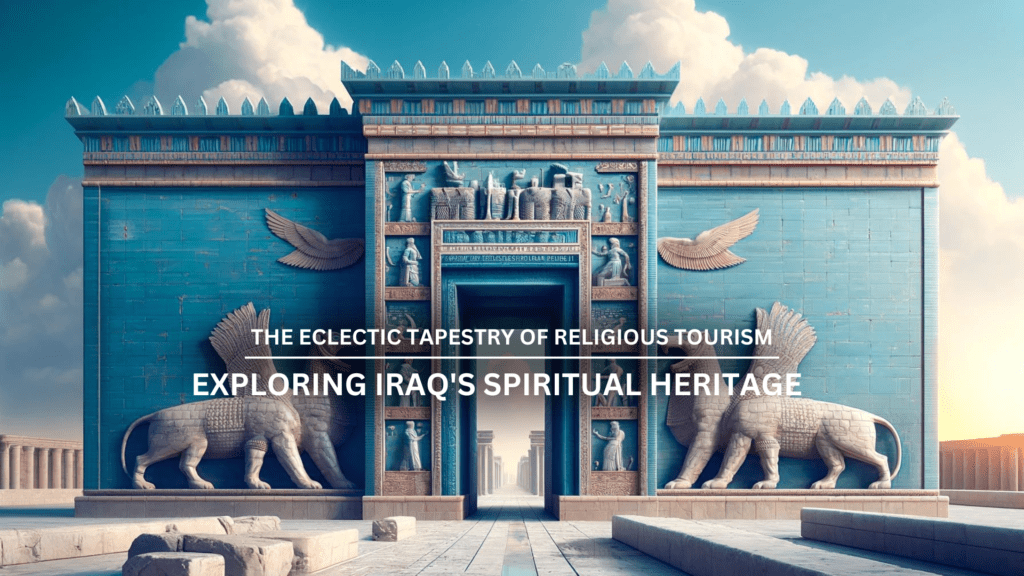
Iraq is often described as part of Mesopotamia, the land between the rivers, and that phrase is not empty romance. Some of the world’s earliest cities, systems of writing and organised societies emerged here. For heritage travellers, that means Iraq is not an abstract cradle of civilisation. It is a real place where the foundations of urban life, law, learning and belief can be traced through landscapes and ruins that still exist.
Yet Iraq is not only for archaeologists or specialists. Its appeal is broader than that. Pilgrims come for the deep religious significance of cities such as Najaf, Karbala, Kadhimain and Samarra. Cultural travellers come for Baghdad’s literary legacy, Mosul’s character, Basra’s southern identity and the feeling of encountering a country that has retained a strong sense of self. Diaspora travellers often come for something even more personal – reconnection.
That range is important because Iraq does not fit neatly into one tourism category. It is a heritage destination, a spiritual destination and a place of everyday cultural discovery all at once.
Iraq country in the Middle East for history and heritage travellers
Few destinations ask as much of a curious traveller, or give as much back. In Iraq, history is not tucked away into a single museum district. It appears in layers – Abbasid heritage in Baghdad, shrines and seminaries in the holy cities, archaeological sites linked to ancient empires, and neighbourhoods where old building styles still shape the rhythm of the street.
This does mean travel in Iraq rewards preparation. Visitors who arrive with context usually appreciate more. A shrine city requires a different mindset from an archaeological excursion, and both differ from exploring a market or riverside district. The reward is depth. You are not consuming a polished theme-park version of history. You are moving through places where history remains meaningful to the people who live there.
For photographers and writers, Iraq can be especially compelling because it offers visual and emotional contrast without feeling artificial. Domes, brickwork, riverfront scenes, calligraphy, courtyards and public life all carry a strong sense of place.
A country of spiritual significance
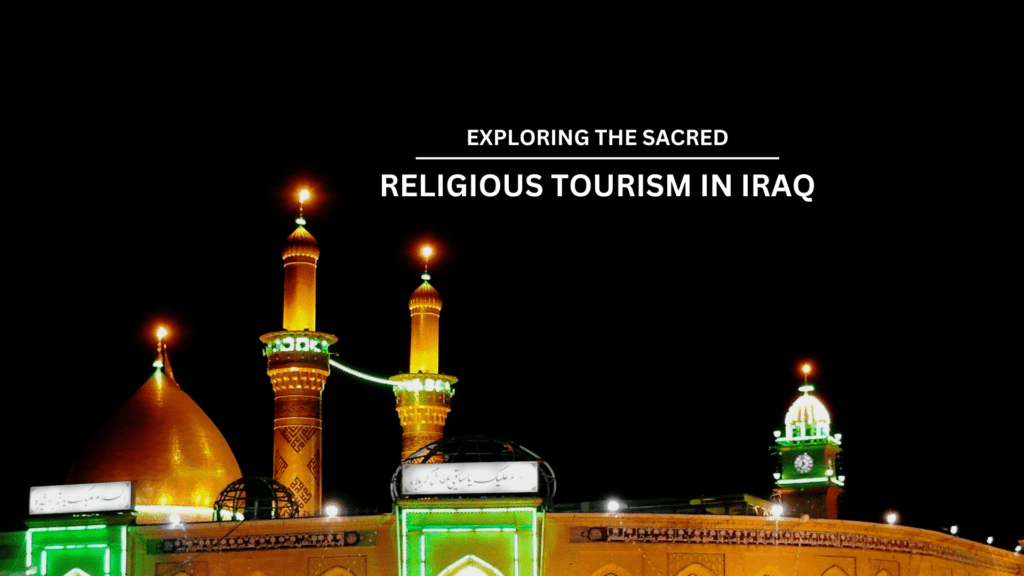
One reason Iraq holds such a distinct place in the Middle East is its spiritual importance. For many Muslim travellers, especially Shia pilgrims, Iraq is a destination of profound meaning. Najaf and Karbala are among the most revered cities in the Islamic world, drawing visitors year-round for pilgrimage, reflection and remembrance.
Religious travel in Iraq is not limited to formal pilgrimage alone. Even travellers who come primarily for culture often find that the atmosphere of devotion, scholarship and hospitality in these cities leaves a lasting impression. Respect matters, of course. Dress, behaviour and timing should reflect the setting. But for visitors who approach these places thoughtfully, Iraq offers spiritual experiences that feel both intimate and immense.
This is also where many assumptions about travel begin to fall away. Visitors often expect complexity, yet what they notice on the ground is clarity – communities that know how to receive guests, traditions of generosity and an environment where faith shapes public life in visible and meaningful ways.
What Iraq feels like as a travel destination
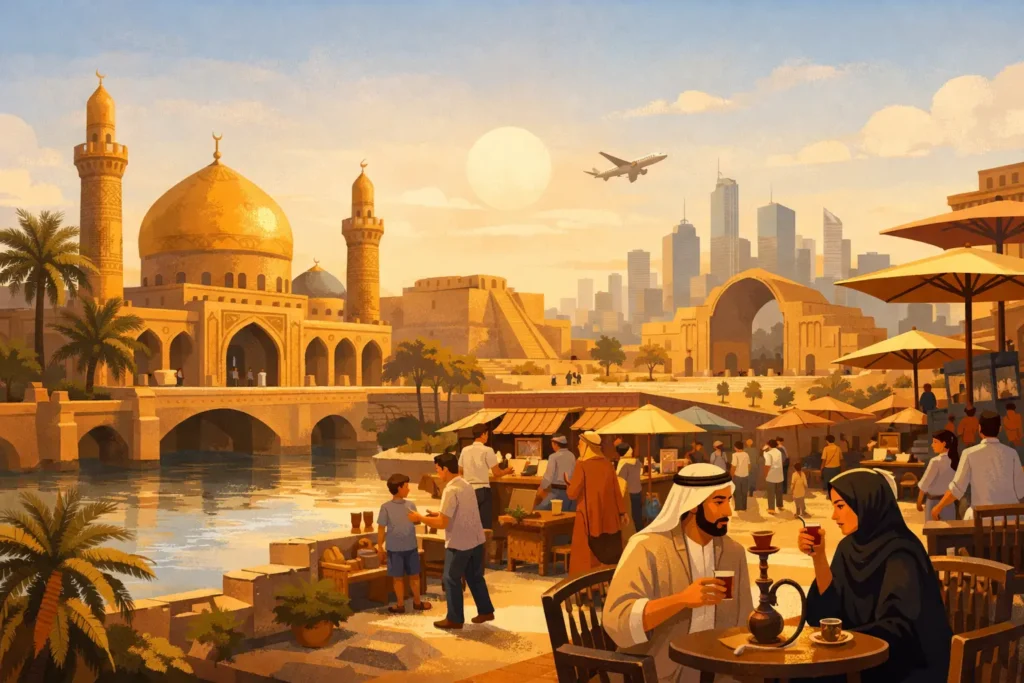
The simplest answer is this: Iraq feels human. It is a country where people often speak to visitors with direct warmth, where tea appears quickly, and where conversations can become as memorable as monuments.
That does not mean every journey is effortless. Iraq is still a destination where planning matters. Transport between cities may require more thought than in heavily touristed countries. Infrastructure varies by region. Some travellers prefer guided arrangements for reassurance, while others are comfortable travelling more independently. It depends on your experience, your route and your priorities.
But the idea that complexity makes Iraq unreachable is outdated. What most travellers need is practical preparation rather than dramatic caution. Understanding local customs, organising accommodation in advance and building an itinerary that matches your purpose all make a noticeable difference.
Cities that shape the Iraqi experience
Baghdad remains the country’s most iconic city. It carries immense historical weight, yet it is also a living capital with neighbourhoods, cafés, booksellers, shrines and river life that reveal Iraq in motion rather than in memory. It suits travellers who enjoy urban texture and layered cultural identity.
Najaf and Karbala speak most strongly to spiritual visitors, though they also offer non-pilgrim travellers a deeper understanding of Iraqi religious culture and hospitality. Basra, further south, has its own character, shaped by waterways, trade history and a distinct social atmosphere. In the north, cities such as Erbil and other parts of the Kurdistan Region often appeal to travellers looking for mountain scenery, a different urban rhythm and an additional dimension to the Iraqi experience.
Choosing between these places depends on what draws you. Some visitors come for pilgrimage, others for archaeology, others for cities and food. The best journeys usually accept that Iraq cannot be reduced to one image.
Practical context for first-time visitors
If you are considering Iraq for the first time, confidence usually grows when the practical side becomes clearer. Entry rules vary by nationality, so visa requirements should always be checked carefully before booking. The same applies to regional distinctions within Iraq, as travel processes and entry points can differ depending on where you plan to go.
Accommodation options are broader than many people expect, especially in major cities and key pilgrimage destinations. Some travellers prioritise international-style comfort, while others prefer more local stays that offer a stronger sense of place. Neither choice is more authentic by default. It depends on your travel style and how much support you want on the ground.
Cultural awareness is equally useful. Modest dress is advisable in many settings, particularly at religious sites. Courtesy matters. So does patience. Travellers who arrive with respect for local etiquette generally find Iraq highly welcoming in return.
This is where platforms such as Stay In Iraq can be valuable – not because Iraq needs a polished sales pitch, but because good information helps turn interest into a realistic journey.
Why perceptions of Iraq are changing
A growing number of travellers are looking beyond familiar routes and asking for something more meaningful than a checklist holiday. Iraq answers that desire with unusual strength. It offers scale, significance and sincerity. People come expecting history and often leave talking about hospitality.
That shift in perception is not based on fantasy. Iraq is not a destination for careless planning or passive tourism. It asks travellers to be attentive, respectful and informed. Yet those same qualities often make the experience more rewarding. You do not simply pass through Iraq. You engage with it.
For travellers willing to do that, Iraq country in the Middle East becomes more than a search phrase. It becomes a destination with depth, dignity and a rare ability to stay with you long after the journey ends.
If Iraq has been on your mind, treat that curiosity seriously. Some places offer entertainment. Iraq offers perspective.