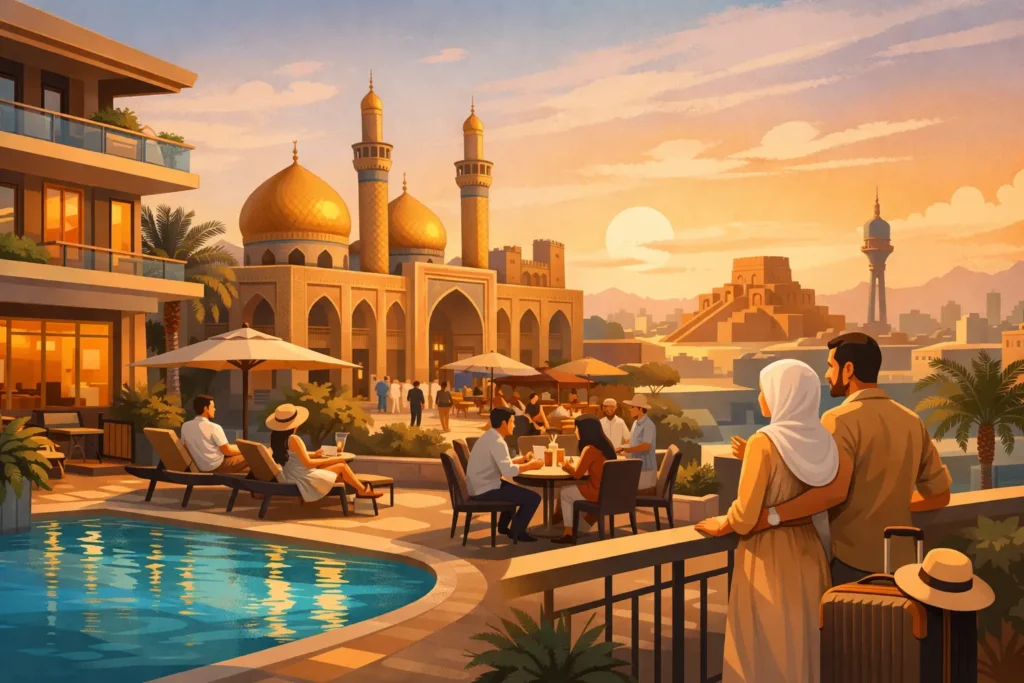
Some trips ask for simplicity. Others call for space, quiet, thoughtful service and a hotel that helps you settle into a destination with confidence. For travellers researching luxury hotels in Iraq – Stay in Iraq is part of a wider shift in how the country is seen: not as an abstract idea, but as a place where comfort, heritage and warm hospitality can sit side by side.
Luxury in Iraq does not always look identical to luxury in Dubai, London or Istanbul, and that is part of its appeal. Here, a high-end stay is often defined not only by polished interiors and large suites, but by location, generosity, privacy and the ease of being well looked after in a place that still feels deeply rooted in its own culture. For many visitors, that balance matters more than branded uniformity.
What luxury hotels in Iraq really offer
The strongest luxury hotels in Iraq tend to serve a mixed traveller profile. You will find business guests, diaspora families, diplomats, heritage travellers, religious visitors and international explorers all using the same spaces in different ways. Because of that, the best properties often prioritise versatility as much as style.
Expect the classic markers of an upscale stay – attentive reception, secure access, spacious rooms, multiple dining options and reliable transport support. But it is equally worth paying attention to quieter details. A good luxury hotel in Iraq may stand out because staff handle airport transfers efficiently, understand the needs of first-time international visitors, or make family travel feel straightforward rather than formal.
This is also a destination where context matters. In some cities, luxury means a globally recognisable hotel with international standards and extensive amenities. In others, it may mean a smaller premium property with fewer facilities but a stronger sense of place, more personalised service and immediate access to a religious or historic centre. It depends on why you are travelling.
Where to find luxury hotels in Iraq
Baghdad
Baghdad remains one of the country’s most important gateways for international visitors, and its higher-end hotel scene reflects that. Travellers coming for business meetings, cultural research, media work or a first introduction to Iraq often begin here. In the capital, luxury usually means established hotels with strong service infrastructure, professional front-of-house teams, restaurants on site and support with transport logistics.
The main advantage of staying in a premium hotel in Baghdad is reassurance. If you are arriving for the first time, a well-run property can make the city feel immediately more manageable. Staff are often used to international guests and can help you navigate timings, meetings and day plans with greater ease. The trade-off is that some larger hotels can feel more functional than character-rich, so travellers seeking atmosphere may want to balance comfort with time spent exploring the city beyond the lobby.
Erbil
Erbil has long appealed to travellers looking for a polished urban base with modern infrastructure and easy access to heritage sites. Luxury hotels here often feel particularly well suited to visitors who want a familiar standard of comfort while discovering a city with deep historical significance. International brands and upscale independent properties both have a place in Erbil’s hospitality landscape.
For many guests, Erbil works well because it combines convenience with a strong sense of continuity between old and new. You can spend part of the day in a refined hotel setting, then head out to historic quarters, markets and local restaurants without feeling cut off from the city. If your priority is a smooth first experience in Iraq, Erbil often feels approachable without feeling generic.
Basra
Basra’s luxury accommodation market is shaped in part by business travel, but that is not the whole story. The city also rewards travellers interested in Iraq’s southern identity, waterways, cuisine and literary history. Upscale hotels in Basra tend to focus on comfort, service and practical ease, particularly for guests with packed schedules.
The best choice here depends on your expectations. If you want resort-style indulgence, Basra may not always deliver that in the way some regional capitals do. If you want a strong hotel base with reliable amenities while exploring a city of major cultural and economic importance, it can be a very good fit.
Najaf and Karbala
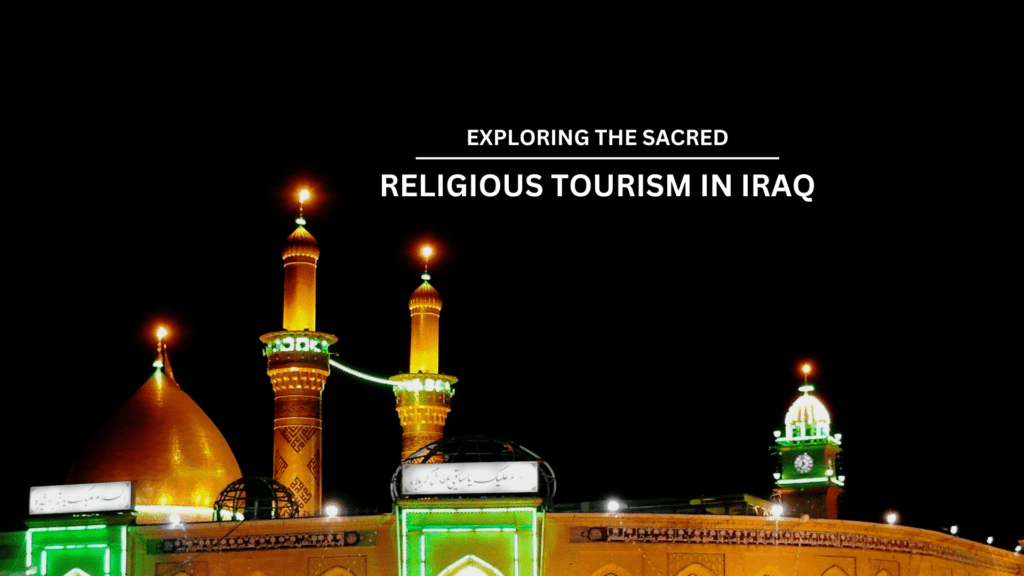
In Iraq’s major religious cities, luxury has a slightly different meaning. Many visitors come for pilgrimage, family visits or spiritual travel, and the most valued hotels are often those that combine elevated comfort with proximity to the holy sites. In these destinations, location can matter more than dramatic design.
A premium stay in Najaf or Karbala may include elegant rooms, attentive hospitality and good dining, but what often defines the experience is convenience. Being close to important religious landmarks, especially during busy periods, can change the entire rhythm of a trip. The trade-off is that availability and pricing can shift sharply during major religious occasions, so planning ahead matters.
How to choose the right luxury stay
When travellers imagine a luxury hotel, they often focus first on the room. In Iraq, it is wiser to begin with purpose. Are you travelling for heritage, pilgrimage, business, family connection or a wider multi-city journey? The answer changes what “best” looks like.
If this is your first visit, prioritise hotels with a strong reputation for guest support, clear communication and organised transfers. If you are returning to reconnect with family or explore your roots, you may care more about neighbourhood access and a sense of familiarity. If you are building a photography or cultural itinerary, a centrally located high-end hotel can save time and reduce logistical friction.
It is also worth checking what luxury means in practical terms at each property. Some hotels offer extensive leisure facilities, while others focus more on room quality, reception standards and dining. Neither approach is wrong. It simply depends on whether you want a hotel that feels like a retreat, or one that works as a reliable base for long days out.
Comfort, culture and expectations
One of the most rewarding things about staying well in Iraq is that comfort does not need to come at the expense of authenticity. A good hotel can provide calm, privacy and modern convenience while still keeping you connected to the destination around you. That might mean Iraqi dishes on the menu, staff who share local recommendations with pride, or a setting that welcomes both international guests and local families.
This matters because many travellers arrive with curiosity but also uncertainty. A carefully chosen luxury stay can remove much of that uncertainty. It gives structure to the first days of a trip and creates a dependable base from which the country feels easier to experience. That does not mean every hotel will match international five-star standards in exactly the same way. Service culture, design and amenities can vary. But many travellers find that the warmth of the welcome leaves a stronger impression than standardised perfection ever could.
Luxury hotels in Iraq for different types of traveller
For couples and culturally curious visitors, the right luxury hotel is often one that pairs comfort with location. You want to rest well, eat well and still feel close to the life of the city. For business travellers, reliability usually comes first – smooth check-in, transport coordination, quiet rooms and dependable service. For pilgrims and family travellers, proximity, privacy and practical support may matter more than statement interiors.
That is why broad “best hotel” rankings often miss the point. Iraq is not a destination that should be reduced to a single travel formula. The better question is which hotel best supports the way you want to experience the country.
Why high-end stays matter in Iraq’s tourism story
Luxury accommodation plays a larger role than comfort alone. It helps make Iraq more legible to travellers who may be interested in visiting but still need trusted entry points. A strong hotel can reduce complexity, support confidence and give guests the freedom to focus on the reason they came – history, spirituality, family, architecture or human connection.
That is also why the rise of better accommodation matters for the country’s tourism future. As more travellers begin to see Iraq as bookable, welcoming and rewarding, the quality and visibility of its hotels become part of a wider narrative of accessibility. Not a polished fantasy, and not a copy of somewhere else, but a genuine travel experience supported by improving hospitality.
For anyone considering a high-end stay, the real question is not whether Iraq can offer luxury. It is what kind of luxury you want – international familiarity, spiritual proximity, urban convenience or a more personal sense of care. Choose with intention, and your hotel becomes more than a place to sleep. It becomes part of how Iraq introduces itself to you.