The first thing many visitors notice in Najaf is not only the scale of its religious importance, but the calm sense of purpose that surrounds the city. A well-planned Najaf pilgrimage travel guide should do more than tell you where to go – it should help you arrive with the right expectations, practical preparation, and respect for a place that means so much to millions.
Najaf is one of the most important spiritual centres in the Islamic world. For many travellers, the journey is deeply personal. For others, especially first-time visitors to Iraq, it is also a step into a country they may have long wanted to understand more closely. That is why planning matters. The city is welcoming, but a smoother visit depends on knowing how to manage visas, transport, accommodation, dress, and the rhythm of religious life before you arrive.
Why Najaf matters to pilgrims
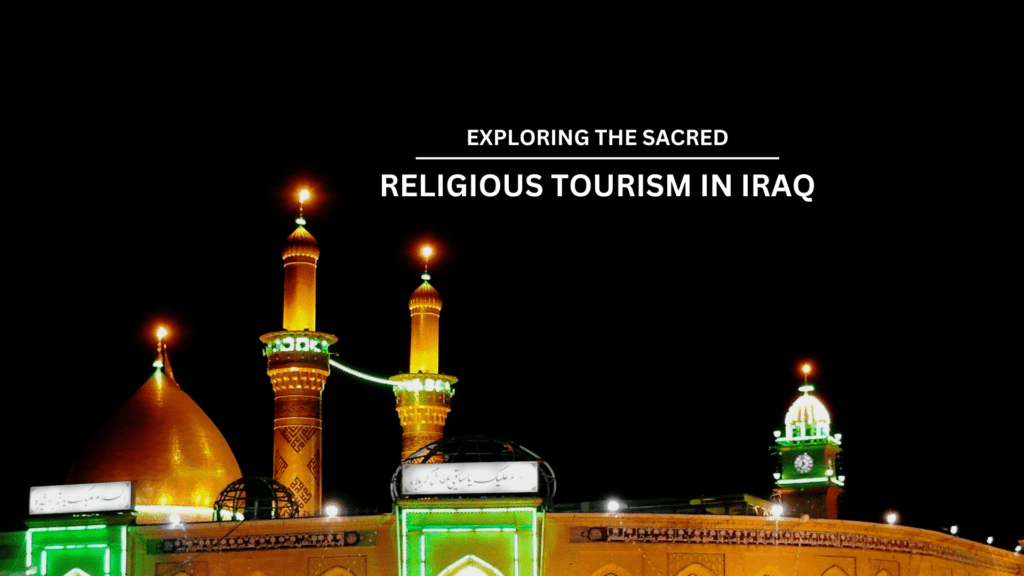
Najaf is home to the shrine of Imam Ali, one of the most revered figures in Islam, and the city holds immense significance for Shia Muslims worldwide. Pilgrims come throughout the year, while certain religious dates bring far larger crowds and a more intense atmosphere. If your visit is tied to a specific commemoration, you should expect busier streets, fuller hotels, and longer transfer times.
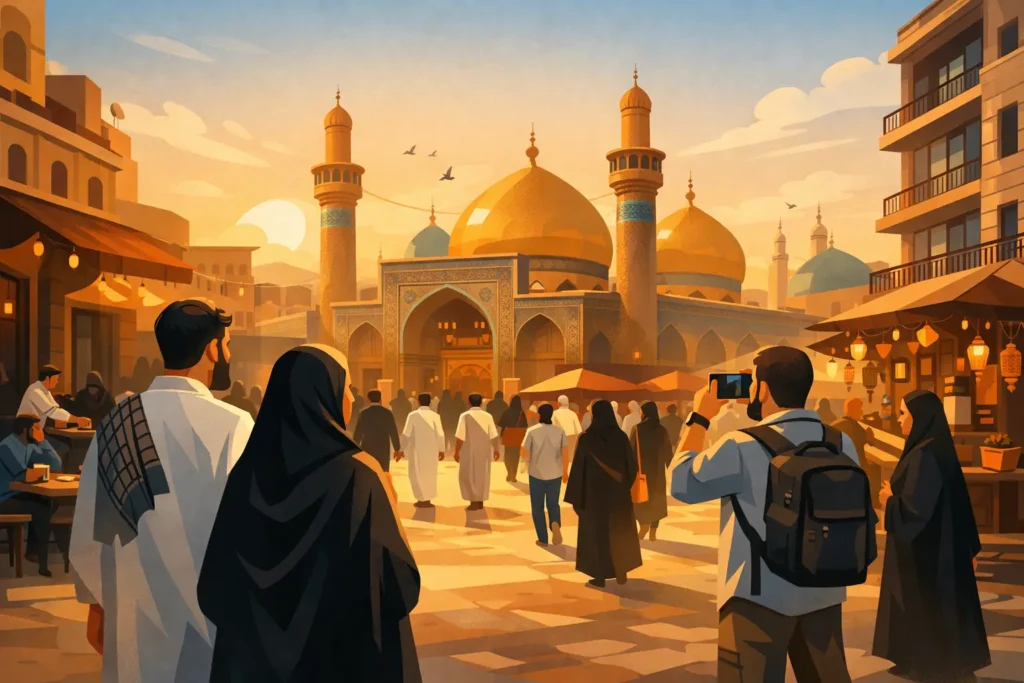
Even outside peak periods, Najaf feels purposeful rather than hurried. The old city around the shrine is where much of the spiritual and emotional centre of the pilgrimage is experienced. You will find worshippers from Iraq, the Gulf, South Asia, Europe, and the wider diaspora, all sharing space in a city that is both sacred and lived-in. That mix gives Najaf a distinctive character – devotional, communal, and deeply hospitable.
Before you travel to Najaf
The practical side of any najaf pilgrimage travel guide begins with entry requirements. Visa rules can change depending on your nationality, so it is always wise to check the latest official requirements before booking. Some travellers may be eligible for simpler entry processes than they expect, while others will need to prepare supporting documents in advance. If you are combining Najaf with Baghdad, Karbala, or other Iraqi cities, make sure your travel plan allows enough time for road journeys and local logistics.
Your timing also matters. Religious holidays and major pilgrimage periods can be extraordinary to witness, but they come with trade-offs. The city is at its most energetic and emotionally powerful, yet accommodation can be harder to secure and moving through the shrine area can take patience. If you want a more reflective visit with easier navigation, travelling outside the busiest dates may suit you better.
It is also sensible to carry some cash in Iraqi dinars for day-to-day expenses. Larger travel arrangements may be booked ahead, but small purchases, local transport, and informal services are often easier to handle in cash.
Getting to Najaf
Najaf is one of the easier Iraqi pilgrimage cities to reach because it has its own international airport. For many visitors, this is the simplest route, especially if the journey is focused primarily on pilgrimage. Arriving directly into the city reduces overland travel and can make the first day much less tiring.
If you are entering Iraq through another city, road travel to Najaf is common and straightforward when arranged properly. Private transfers are often the most comfortable option for international visitors, particularly if you are travelling with family, elders, or luggage. Shared transport can be more economical, but it may feel less predictable if you are unfamiliar with local systems.
Within Najaf itself, much depends on where you stay. If your hotel is near the shrine, much of your visit can be done on foot. If you stay further out, short taxi rides are usually manageable. During crowded periods, though, walking may still be quicker than sitting in traffic close to the old city.
Where to stay in this Najaf pilgrimage travel guide
Accommodation in Najaf ranges from simple pilgrim-friendly hotels to more comfortable modern stays. The best choice depends on your priorities. If proximity to the shrine is most important, staying within walking distance can make daily visits easier, especially for early morning prayers or evening worship. The trade-off is that rooms close to the shrine can be smaller, noisier, or more expensive during peak seasons.
If you prefer a quieter stay with more modern comforts, a hotel a little further from the central area may be a better fit. You may spend more time arranging transport, but you can gain better rest and more space. For families, older pilgrims, and travellers staying several nights, that balance can matter.
When choosing accommodation, look for clarity on location, transport access, and whether staff are used to hosting international guests. In a city shaped by pilgrimage, hospitality tends to be generous, but practical details still make a difference.
What to wear and how to behave respectfully
Najaf is a conservative religious city, and visitors should dress with that in mind. Modest clothing is expected for both men and women. Loose, respectful dress is the best approach, especially around the shrine and in the old city. Women should ensure they have appropriate head covering, and men should avoid overly casual clothing such as shorts in religious areas.
Respect also means adjusting to the setting rather than treating the city as a backdrop. Photography may be acceptable in some public spaces, but it should always be approached with sensitivity, especially near worshippers or inside religious areas where rules may be stricter. If unsure, ask first or simply put the camera away.
The tone of your visit matters too. Najaf welcomes pilgrims and curious cultural travellers alike, but it is not a place for performative tourism. A calm, attentive attitude will take you much further than trying to see everything quickly.
Visiting the shrine in Najaf
For most visitors, the shrine of Imam Ali is the heart of the journey. Security and entry procedures can vary depending on the time of year and the level of crowding, so it helps to allow extra time rather than arriving with a tight schedule. You may pass through checkpoints or bag screening before entering the wider shrine area.
Inside and around the shrine, follow the lead of those around you. There is a natural rhythm to movement, prayer, and gathering. If you are visiting as part of a religious journey, you may already know the devotional practices you wish to observe. If you are less familiar, quiet respect is entirely appropriate.
Crowds can be intense during major commemorations. For some pilgrims, that atmosphere is part of the spiritual power of the visit. For others, especially elderly travellers or those with young children, a quieter period may be more manageable. It depends on what kind of experience you are seeking.
Food, daily comfort and local rhythm
Najaf is not only a pilgrimage destination – it is also a functioning Iraqi city with its own daily routines. Around the shrine and in nearby districts, you will find a range of simple local eateries, tea spots, and essential shops. Meals are often hearty, familiar, and well suited to travellers who want straightforward food rather than elaborate dining.
Pilgrimage cities also run on hospitality. You may encounter acts of generosity, especially during religious periods, when food and refreshments are distributed more widely. Accepting kindness with gratitude and humility is part of travelling well here.
It is worth pacing yourself. The emotional intensity of pilgrimage, the weather, and the crowds can all be tiring. Drink water regularly, rest when needed, and do not underestimate how much easier the experience becomes when you give yourself enough time.
Combining Najaf with other holy cities
Many visitors do not stop at Najaf alone. Karbala is often combined with Najaf, and for pilgrims this pairing can feel essential. The connection between the two cities is spiritual as well as practical, and travelling between them is common. Depending on your schedule, you may also add Kufa, which is close to Najaf and holds major historical and religious significance.
If you are planning a wider journey through Iraq, Najaf can also be part of a longer itinerary that includes Baghdad or southern heritage sites. That said, not every trip needs to become a multi-city circuit. For some travellers, giving Najaf the time it deserves is the better choice.
A few final planning realities
The best najaf pilgrimage travel guide is honest about flexibility. Travel in Iraq is increasingly accessible, but smooth journeys still depend on planning ahead, confirming arrangements, and keeping some room for change. Peak dates bring remarkable energy, yet they also demand patience. Quieter dates offer ease, though perhaps with less of the collective intensity some pilgrims hope to feel.
If this is your first visit, aim for clarity rather than complexity. Choose sensible flights, stay somewhere that supports your needs, dress respectfully, and let the city unfold at its own pace. Najaf does not ask visitors to rush. It asks them to arrive with intention, and that is often when the journey becomes most meaningful.
For travellers looking to plan with confidence, platforms such as Stay In Iraq help make that first step feel more realistic – not by overselling the experience, but by showing that pilgrimage here can be both spiritually significant and practically achievable.
Come prepared, stay open-hearted, and allow Najaf to be experienced as it is – a city of devotion, memory, and extraordinary human warmth.