Some trips ask for little more than a passport and a rough plan. Iraq is not one of them. Good Iraq travel advice matters because this is a destination rich in history, faith, hospitality and living culture, but it also rewards travellers who arrive prepared, respectful and realistic about logistics.
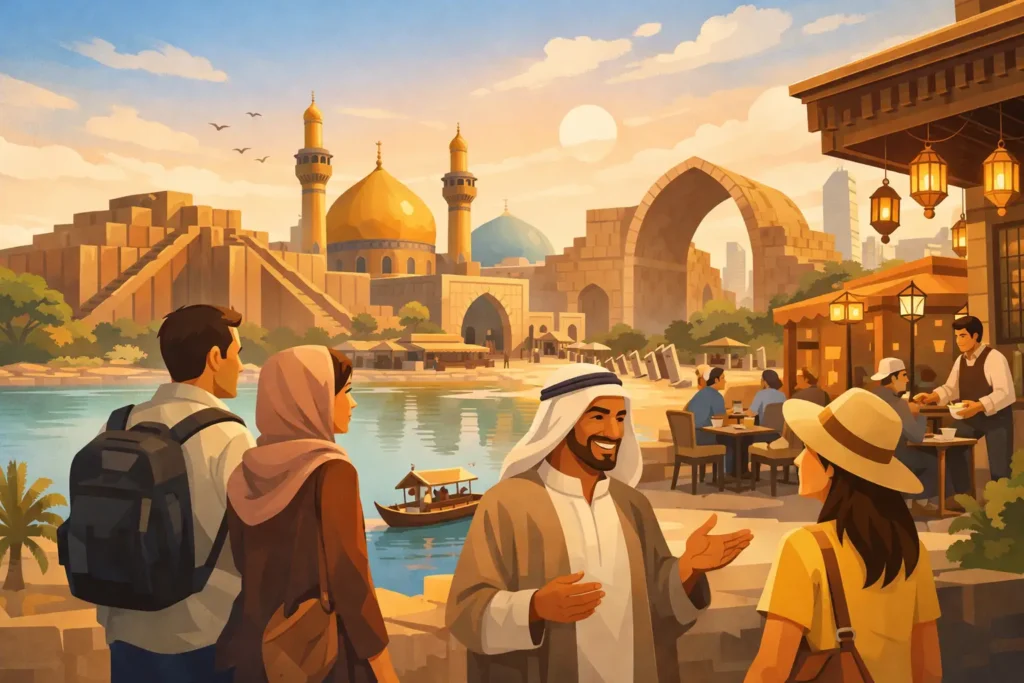
For many visitors, the surprise is not that Iraq feels meaningful. It is how quickly it feels human. A conversation over tea in Najaf, a sunset by the Tigris in Baghdad, the scale of Babylon, the quiet weight of ancient sites in the south – these experiences stay with people because Iraq is not only a place of monuments. It is a place of connection. The practical side of planning still matters, though, and getting that right makes the journey far smoother.
Iraq travel advice before you book
Start with your route, not just your dates. Iraq offers very different travel experiences depending on whether you are visiting Baghdad and central Iraq, the shrine cities such as Karbala and Najaf, the southern heritage corridor including Basra and Ur, or the Kurdistan Region. Distances can be longer than they look on a map, and internal travel times often matter more than mileage.
Check entry requirements from official sources before booking flights. Visa policies can change, and the process may differ depending on your nationality and where in Iraq you plan to arrive. Some travellers are eligible for easier entry arrangements than others, so assumptions based on another person’s experience may not apply to you. If your trip includes religious travel, family visits, journalism, or extended stays, make sure your visa type matches your purpose.
It is also worth planning with more structure than you might for a European city break. Iraq is increasingly accessible, but it is not a destination where every detail works best as a last-minute decision. Pre-arranged accommodation, airport transfers for your first arrival, and a clear first-night plan can make a real difference.
When to visit Iraq
The best time depends on what you want from the journey. Spring and autumn are usually the most comfortable periods for general sightseeing, city exploration and overland travel. Temperatures are more manageable, which is especially useful if your itinerary includes archaeological sites, walking through old districts, or long daytime drives.
Summer can be intense, particularly in Baghdad and southern Iraq. Some travellers are comfortable with that, especially if they are used to hot climates or travelling for specific religious or family reasons, but daytime touring can become tiring very quickly. Winter is often gentler for urban travel, though evenings may feel cooler than visitors expect.
Religious calendars matter too. Visiting during major commemorations can be deeply meaningful, especially for pilgrims, but accommodation, transport and city movement may become much busier. That is not necessarily a reason to avoid those dates. It simply means planning needs to be tighter.
Safety, confidence and common sense
A balanced approach is essential here. Iraq is not a destination to approach casually, but neither should it be reduced to outdated assumptions. Conditions vary by city, region and current circumstances, which is why recent, location-specific information matters more than broad generalisations.
For most travellers, sensible habits go a long way. Know your daily route, keep family or friends informed, use trusted drivers or organised transfers when possible, and avoid wandering aimlessly late at night in places you do not know well. If a local host, hotel or guide advises against a particular area or timing, take that seriously. Practical local knowledge is often the best form of reassurance.
Cultural awareness is part of safety too. Travellers who dress respectfully, speak politely and show interest in local customs are often met with warmth. Iraqis are known for their generosity, and many visitors find people remarkably welcoming, especially when they sense genuine respect.
Getting around inside Iraq
Transport is one of the biggest planning questions. Iraq is very travelable, but not always in the way visitors expect. Public transport exists, yet many international travellers find private drivers, hotel-arranged transfers or guided transport more comfortable, especially on a first visit.
In major cities, taxis and ride options may be available, but standards vary. It helps to agree the fare clearly if there is no app-based pricing, and to have your destination written in Arabic if your pronunciation is uncertain. For intercity journeys, time buffers are wise. A route that looks simple on paper may take longer because of traffic, rest stops or local procedures.
If your itinerary is ambitious, fewer destinations done properly often works better than trying to cover the entire country in one trip. Baghdad, for example, deserves time beyond a quick overnight stay. The same is true of Najaf, Karbala and Basra, each of which carries a distinct atmosphere and rhythm.
Money, mobile data and daily essentials
Cash remains important. While some larger hotels and upscale businesses may accept cards, many everyday purchases are easier with cash in local currency. Keep smaller notes for taxis, snacks and tips. Do not assume card payments will be as straightforward as they are in London, Dubai or Istanbul.
A local SIM card can make the trip much easier. Reliable mobile access helps with navigation, coordination and translation. Sort this out early, ideally at the airport or through a trusted local contact, so you are not dependent on weak hotel Wi-Fi or expensive roaming.
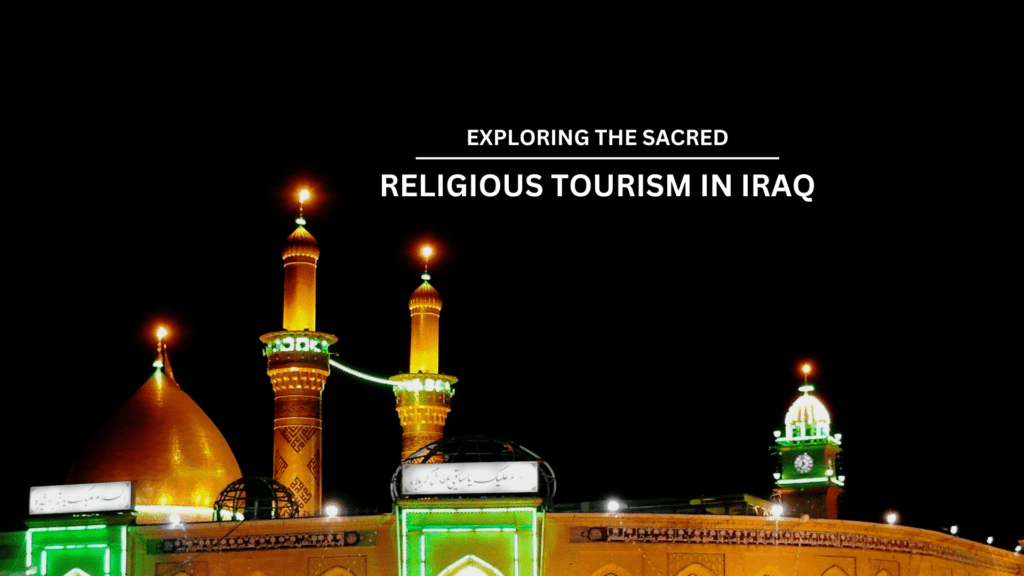
Pack for practicality rather than style alone. Lightweight modest clothing, comfortable shoes, any personal medicines you need, a power bank, tissues, hand sanitiser and photocopies of key documents are all useful. If you are visiting shrines or religious sites, clothing should be especially respectful, and women may wish to carry a scarf that is easy to use when needed.
Cultural etiquette that helps you travel well
The best Iraq travel advice is not only about movement and paperwork. It is also about how you carry yourself. Iraq is deeply social, proud of its heritage and attentive to hospitality. Small gestures matter.
Dress modestly, particularly in religious cities and traditional neighbourhoods. That does not mean visitors must abandon personal style, but clothing should avoid unnecessary attention. Men generally do well in long trousers and covered shoulders. Women often feel more comfortable in loose clothing with arms and legs covered, especially when visiting shrines.
Always ask before photographing people. In some places, particularly around religious sites or family settings, privacy is valued strongly. A smile and a simple request are usually appreciated. If someone declines, move on graciously.
Accepting tea, conversation or local recommendations can open doors to memorable moments, but be aware of your own schedule and boundaries. Iraqi hospitality is sincere. Responding with appreciation, patience and courtesy goes a long way.
Accommodation and where to stay
Choose accommodation with location in mind, not just price. A well-placed hotel with dependable support can save time, reduce uncertainty and make daily movement easier. This is especially true in larger cities or if you are arriving late.
If you are travelling for pilgrimage, staying near major religious sites may be the priority. If your focus is heritage and city exploration, central access and transport convenience may matter more. Solo travellers, first-time visitors and photographers often benefit from properties that can help arrange local transport and give up-to-date neighbourhood guidance.
This is where a specialist platform such as Stay In Iraq can be genuinely useful – not because Iraq needs to be simplified into a generic booking experience, but because reliable local context matters when choosing where to stay.
Food, rhythm and expectations on the ground
One of Iraq’s great pleasures is how quickly daily life pulls you in. Grilled meats, masgouf, fragrant rice dishes, fresh bread, dates and sweet tea are part of the travel experience as much as any landmark. Eating well is rarely difficult, but visitors with sensitive stomachs should use the same judgement they would anywhere unfamiliar: choose busy places, drink safe water, and ease into street food if needed.
Pacing matters too. Iraq can be emotionally full. A single day may include a shrine, a historic market, a long drive, several generous invitations and more conversation than expected. Leave room in your itinerary. Not every meaningful moment can be scheduled, and some of the best ones happen when you stop rushing.
If this is your first visit, do not try to prove anything by travelling too hard. Iraq is best experienced with attention. Give cities time to speak for themselves. Let practical planning create freedom rather than rigidity. And remember that confidence here does not come from pretending the trip is effortless. It comes from respecting the country enough to prepare well, arrive openly and travel with care.