A traveller considering Iraq now is usually balancing two things at once – deep curiosity and practical hesitation. That tension is understandable. Iraq carries extraordinary cultural weight, from ancient cities and sacred shrines to river landscapes, bazaars and living traditions, yet many visitors still lack clear, trustworthy information about what a trip actually feels like today.
The reality is more grounded, more welcoming and more travellable than many assume. Iraq is not a destination for rushed tourism or postcard clichés. It is a place for travellers who want substance – history you can stand inside, religious heritage that still shapes daily life, and conversations with people whose generosity often becomes the lasting memory of the journey.
Why Iraq now feels different to travellers
What makes Iraq now especially compelling is not that it has become a conventional tourism market overnight. It has not, and that is part of its character. Instead, more travellers are beginning to see Iraq as it really is: a country of immense historical and spiritual importance that is increasingly easier to approach with the right planning.
That shift matters. For years, international awareness of Iraq was filtered through narrow and outdated frames. What many visitors discover instead is a destination defined by pilgrimage, heritage, scholarship, food, architecture and hospitality. In cities such as Baghdad, Najaf, Karbala, Mosul, Basra and Erbil, there is a growing appetite for better visitor services, clearer accommodation options and more confident travel experiences.
This does not mean every journey is effortless. Iraq still rewards preparation. Transport arrangements may require more thought than in heavily touristed countries, and travellers should always check the latest entry requirements before booking. But that is very different from saying the destination is out of reach. For many visitors, especially those interested in culture and faith, Iraq has moved from distant idea to realistic plan.
Iraq now through a traveller’s eyes
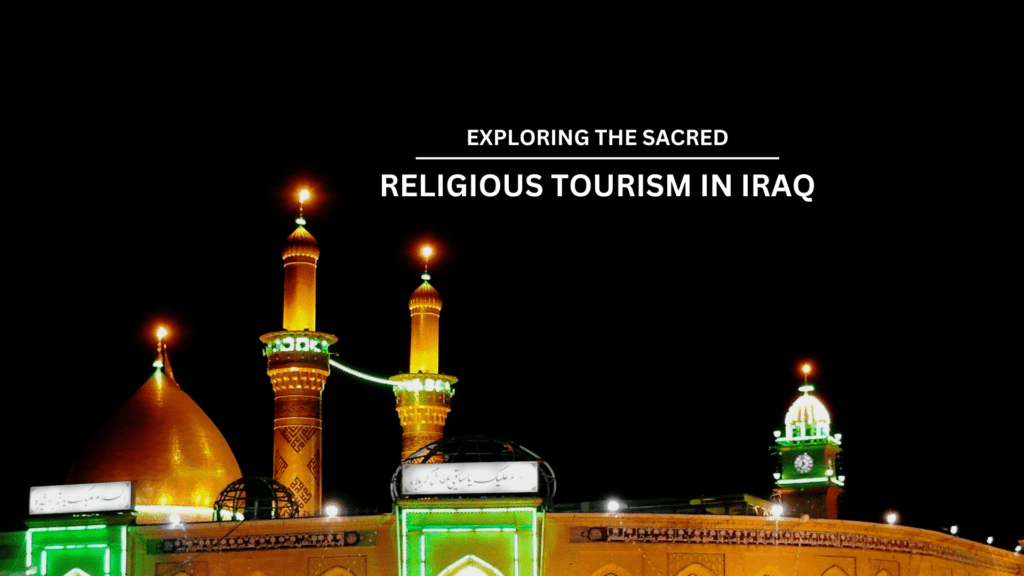
To understand Iraq now, it helps to see it less as a single headline and more as a collection of distinct experiences. Baghdad offers intellectual depth, layered history and the energy of a capital that still carries memory in its streets. Najaf and Karbala hold profound meaning for religious visitors and also reveal the rhythm of cities shaped by devotion, learning and service to pilgrims.
In the north, travellers encounter different urban textures, mountain landscapes and heritage sites that broaden any simplistic view of the country. In the south, Basra brings maritime history, waterways and a cultural identity tied closely to trade, poetry and the Gulf. Each place asks for a slightly different pace and expectation.
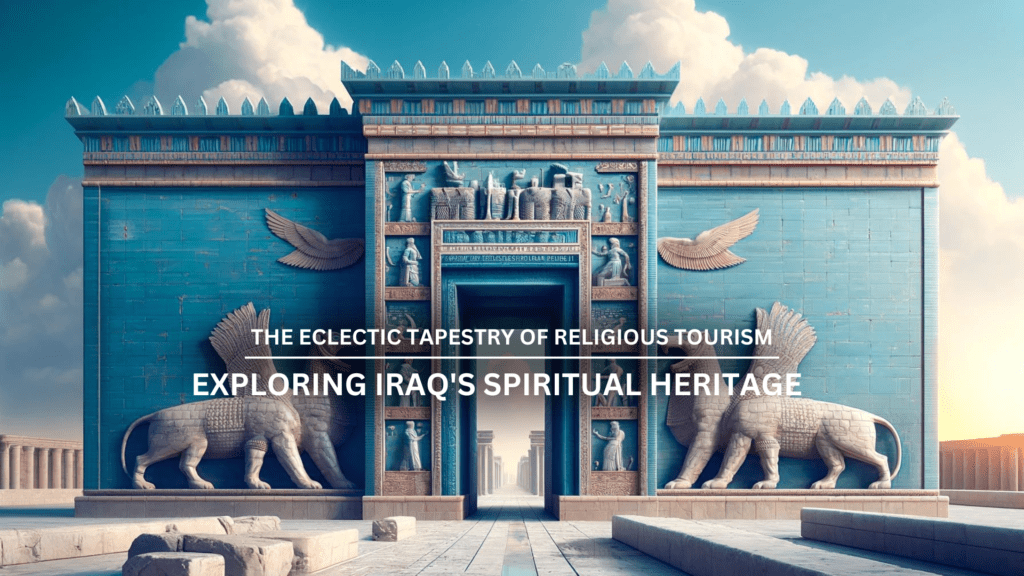
That variety is one of Iraq’s greatest strengths. A heritage traveller may come for Mesopotamian archaeology and stay for the warmth of local encounters. A pilgrim may arrive with a clear spiritual purpose and leave with a deeper appreciation of everyday Iraqi generosity. A diaspora visitor may find not only family connection but also a renewed sense of place.
What visitors are often surprised by
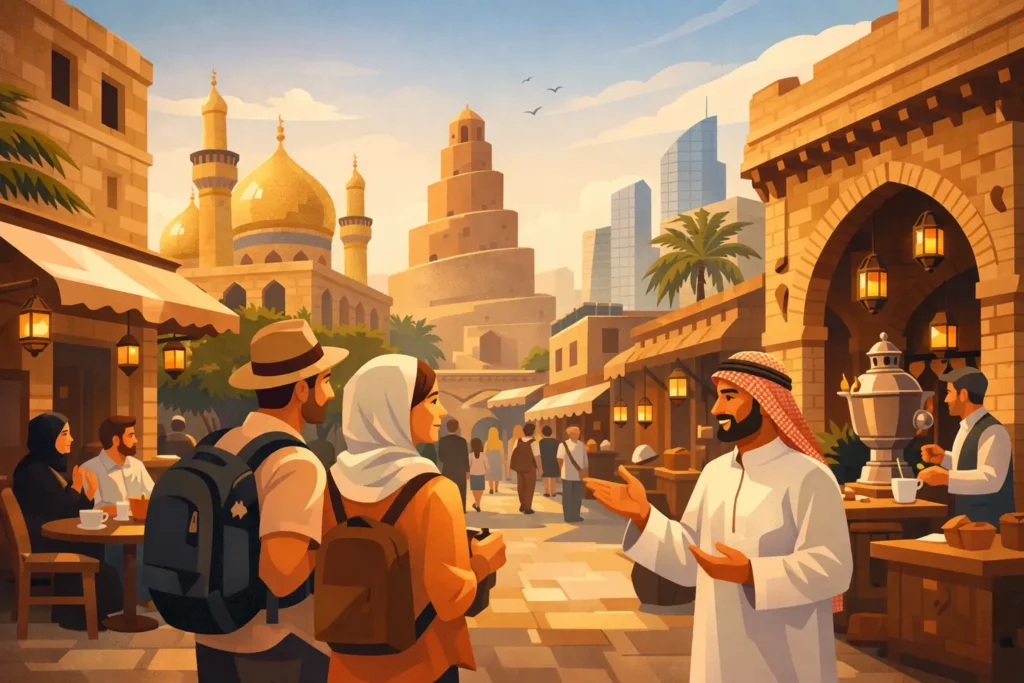
One of the first surprises is how central hospitality remains to the travel experience. In Iraq, welcome is not a performance for tourists. It is part of social life. Visitors are often met with curiosity, offers of tea, practical help and genuine pride in local culture. That human element changes the journey. Sites matter, but so do the people who explain a neighbourhood, recommend a dish or insist you do not leave without eating.
Another surprise is the emotional scale of the destination. Iraq is not only ancient. It is vividly present. Markets are active, shrines are full of movement, riverfronts gather families in the evening, and old quarters sit beside modern routines. Travellers expecting a purely historical experience often find something richer – a country where heritage is still lived rather than displayed at a distance.
Food also plays a larger role than many anticipate. Meals become part of the cultural education. From masgouf in Baghdad to regional breads, rice dishes, grilled meats, sweets and strong tea, food offers a direct route into Iraqi identity. For many travellers, it is one of the simplest and most memorable ways to understand place.
Practical realities of travelling to Iraq now
The most useful way to approach logistics is with calm realism. Iraq is increasingly accessible, but it is still a destination where preparation improves everything. Entry requirements can vary depending on nationality and route, so travellers should confirm the latest visa rules through official channels before finalising plans.
Accommodation is also improving, particularly in major cities and pilgrimage hubs, though standards and styles differ. Some travellers want full-service hotels, while others prefer smaller stays that feel more personal. The key is choosing accommodation with clear location details and realistic expectations about the area you are visiting.
Transport depends heavily on itinerary. In some cities, pre-arranged transfers or trusted local drivers can make the journey smoother, especially for first-time visitors. Independent travellers may enjoy the flexibility, but should still allow more time than they would in highly streamlined destinations. Iraq is rewarding, though not always predictable by mass-tourism standards.
Dress and behaviour matter as well. Respectful clothing is advisable across the country, especially in religious cities and shrine areas. Visitors do not need to overcomplicate this, but they should travel with cultural awareness. Observing local etiquette, asking before photographing people and approaching sacred spaces with courtesy all help build the kind of respectful exchange Iraq deserves.
Is Iraq now right for your style of travel?
That depends on what you want from a journey. Iraq is ideal for travellers who value depth over convenience and meaning over polished tourism packaging. If you enjoy discovering places that still feel rooted in local life, Iraq can be unforgettable. If you need every step to be standardised, heavily signposted and instantly familiar, parts of the journey may feel demanding.
For pilgrims, the country offers spiritual experiences of rare significance. For history lovers, it presents one of the world’s foundational landscapes. For photographers and writers, it offers texture, human warmth and visual contrast without feeling manufactured. For diaspora travellers, it can be a powerful way to reconnect with heritage in a more immediate and personal way.
The trade-off is clear. Iraq may ask more from you as a traveller – patience, research, flexibility, cultural attentiveness. In return, it often gives more back. The memories tend to be vivid because the experience feels earned and human.
Where confidence comes from when planning Iraq now
Confidence usually does not come from dramatic promises. It comes from clear information. Travellers feel more comfortable when they understand their route, have accommodation arranged in advance, know how they will move between cities and have taken time to learn basic customs. Reassurance is strongest when it is practical.
This is where specialist travel platforms, including Stay In Iraq, help reshape the experience. The value is not only inspiration. It is reducing friction. When travellers can combine destination understanding with realistic guidance on hotels, local travel and city expectations, Iraq becomes easier to imagine and easier to book.
That matters because perception changes through experience, but first it changes through clarity. The more Iraq is presented through honest, well-informed travel content, the more international visitors can make decisions based on reality rather than assumption.
The meaning of visiting Iraq now
To travel in Iraq now is to witness a destination that cannot be reduced to one story. It is sacred and everyday, ancient and current, intense and generous. It asks visitors to arrive with respect, but it also rewards them with an unusual sense of closeness to history and to people.
For some, the journey begins with faith. For others, it begins with archaeology, family roots or simple curiosity. Whatever draws you there, Iraq tends to leave a deeper impression than expected because it does not feel staged. Its significance is real, and so is its welcome.
If Iraq has been on your mind for some time, that instinct is worth taking seriously. With thoughtful planning and the right expectations, this is not just a destination to read about from afar. It is one to experience carefully, confidently and with an open heart.