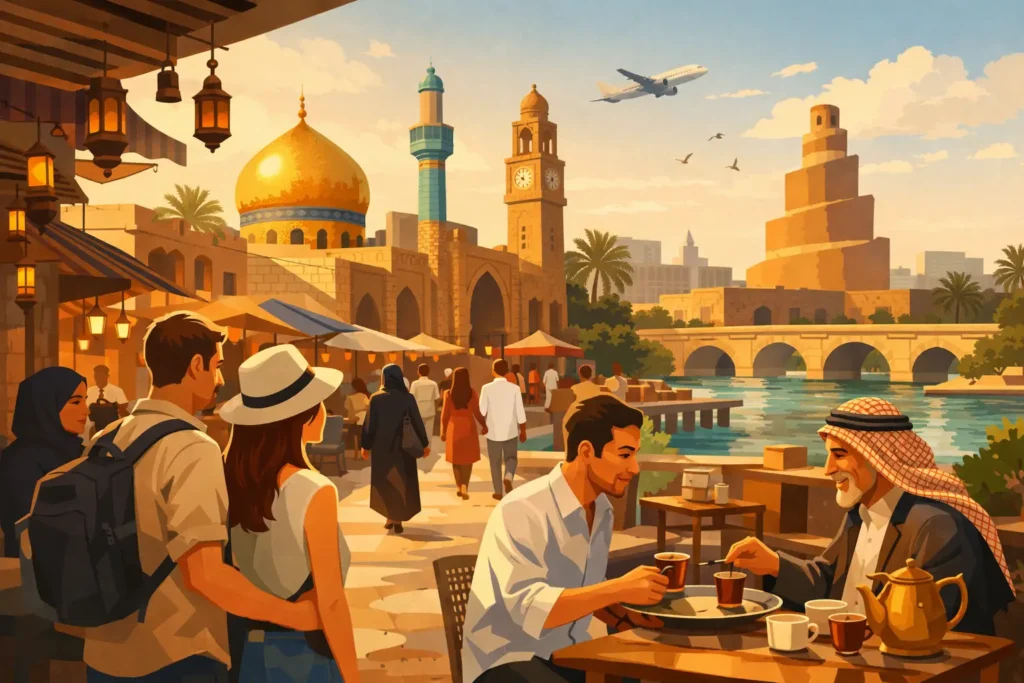
A first cup of tea with a hotel host in Baghdad, a shared meal after a shrine visit in Najaf, a family recommendation for the best bakery in Erbil – these are often the moments that change a traveller’s view of Iraq. Iraq safety is not a question that can be answered honestly with a simple yes or no. It depends on where you go, how you plan, who you travel with and how closely you follow current local guidance.
Iraq is a country of immense historical depth, living religious traditions and generous hospitality. It is also a destination where preparation matters. Travellers who approach their journey with curiosity, cultural awareness and sensible planning can have a deeply rewarding experience while making well-informed decisions along the way.
Understanding Iraq safety beyond headlines
Many international perceptions of Iraq have not kept pace with the country travellers encounter on the ground. Major cities welcome business visitors, diaspora families, pilgrims, researchers and increasingly, culturally curious tourists. Hotels, cafés, archaeological sites and religious destinations are part of everyday travel life across many areas.
That said, conditions are not uniform. Security and transport arrangements can differ significantly between cities, provinces and border areas. A route that feels straightforward with an experienced local driver may not be suitable for independent travel without local knowledge. This is why broad statements – positive or negative – are less useful than practical, place-specific preparation.
Before committing to an itinerary, check the latest official travel advice issued by your government, particularly if you hold a British passport. These advisories can change and may affect insurance cover, entry planning and the support available to you. They should be read alongside current information from your accommodation, a reputable local guide or a trusted contact in the city you plan to visit.
Choose an itinerary that matches your experience
For a first visit, a focused route is usually wiser than trying to see the whole country at once. Baghdad, Najaf, Karbala, Basra and Erbil each offer a distinct experience, from museums and old markets to pilgrimage, architecture and food culture. Yet they require different practical arrangements.
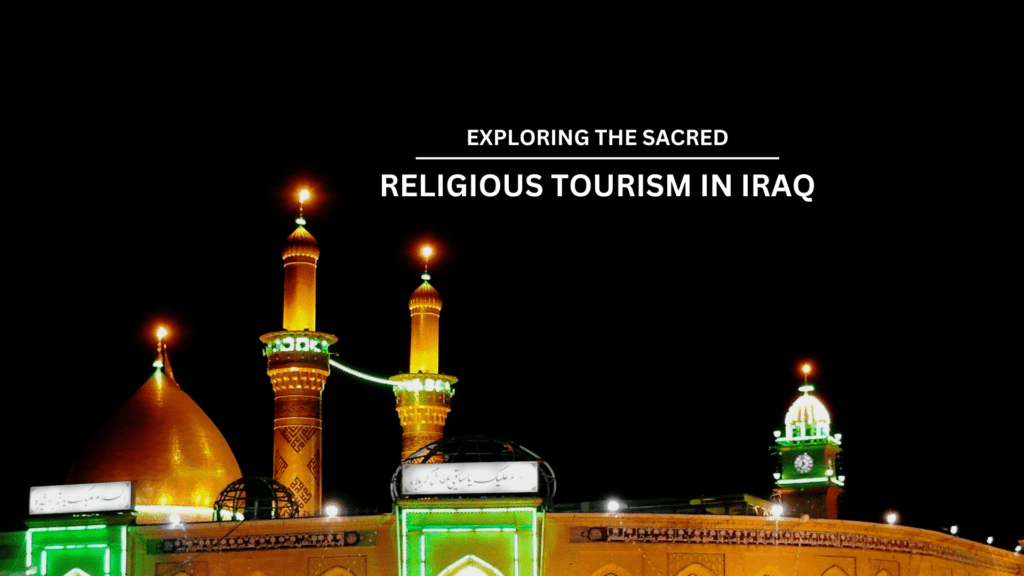
Erbil is often a comfortable starting point for travellers seeking a well-developed urban base and access to the Kurdistan Region. Baghdad offers extraordinary cultural energy and important historical sites, but benefits from more structured planning, especially for transport. Najaf and Karbala receive large numbers of religious visitors and have established hospitality infrastructure, although travel patterns can change considerably around major commemorations.
The right route depends on your purpose. A Muslim pilgrim may prioritise proximity to holy shrines and travel during a meaningful religious period. A heritage traveller may prefer quieter dates and arrange a guide for ancient sites. Diaspora visitors may have the greatest flexibility when travelling with relatives. There is no single model of safe travel in Iraq, but there is a consistent principle: make decisions with local context, not assumptions.
Build in time and flexibility
Avoid tightly packed schedules. Road journeys can take longer than map estimates, checkpoints may slow movement and summer heat can make midday sightseeing uncomfortable. Arriving before dark where possible, leaving space between city transfers and having one extra night in key locations are small choices that make a journey calmer.
If plans change, do not treat that as a failure. In Iraq, adaptability is part of travelling well. A host may suggest a different departure time, a driver may recommend another route, or a religious event may affect access around a shrine. Listen, ask questions and adjust.
Stay somewhere established and well located
Your accommodation is more than a place to sleep. It can be your most useful source of practical, current advice. Choose an established hotel, guesthouse or hosted stay with clear contact details, confirmed booking information and a location that works for your planned activities.
Before arrival, ask whether the property can arrange airport collection, a trusted driver or guidance on local transport. Confirm the address in a format your driver can use, as navigation systems do not always reflect local naming conventions. Keep your host’s number saved on your phone and written down separately.
A well-located stay can also reduce unnecessary late travel. In Baghdad, for example, staying near the places you intend to visit may be more valuable than choosing a cheaper room across the city. In Najaf or Karbala, proximity to the shrine area can make a major difference during busy pilgrimage periods. Stay In Iraq can help travellers begin their accommodation research with the practical realities of each destination in mind.
Move around with local knowledge
For many visitors, pre-arranged transport is the simplest option, particularly on arrival and for intercity journeys. Use drivers recommended by a reputable hotel, host, tour operator or trusted local contact. Agree the destination, expected timing and price before setting off, and keep enough local currency for smaller payments.
Independent public transport can be manageable in some settings, but it may be less predictable for visitors who do not speak Arabic or Kurdish. Taxis and ride-hailing options vary by city. If you use them, share your journey details with someone you trust and avoid getting into an unmarked vehicle without confirming the driver and destination.
Road safety deserves as much attention as personal security. Traffic can be busy, driving styles vary and seatbelt use is not always consistent. Choose a driver who is known to your host, use seatbelts when available and resist the temptation to travel when tired after a long flight or a full day of visiting sites.
Respect is practical safety
Cultural awareness is not just good manners. It helps travellers build trust, avoid misunderstandings and feel more at ease in unfamiliar surroundings. Iraq is diverse, and customs vary between communities and regions, but modest, considerate dress is a reliable starting point. When visiting mosques, shrines or religious sites, follow guidance on clothing, photography and appropriate conduct.
Ask before photographing people, particularly families, worshippers, security personnel or shopkeepers. Some places of worship have specific rules about cameras and phones. A respectful question is always better than an assumption.
Warm hospitality is a defining part of Iraqi culture, and visitors may be offered tea, food or help without expectation of anything in return. Accepting graciously, or declining warmly when necessary, goes a long way. Learning a few Arabic or Kurdish greetings can open conversations, although English is used in many hotels and among younger people in larger cities.
Keep the essentials simple and secure
Carry a copy of your passport, visa and accommodation details separately from the originals. Keep emergency contacts, your insurer’s details and your embassy or consular information accessible offline. Mobile data can be very helpful for communication and navigation, so arrange a local SIM or suitable roaming plan once you understand the available options.
Use a small cross-body bag or secure day bag for essentials, and do not display large amounts of cash. Cards are accepted in some hotels, restaurants and newer businesses, but cash remains essential in many places. Carry what you need for the day, keep a reserve somewhere secure and ask your accommodation about reliable cash-access options.
It is also sensible to share your broad itinerary with family or a trusted friend. This need not turn your holiday into a surveillance exercise. A short message when you arrive in a new city, along with your hotel name and local contact number, offers reassurance for everyone.
Know when to seek advice or change plans
Good travel judgement means recognising when local circumstances call for a different plan. If your host, guide or driver advises against a route, a late departure or an unplanned visit, take that advice seriously. They understand the immediate setting better than any itinerary written weeks earlier.
Avoid demonstrations, political gatherings and restricted areas. Do not photograph official buildings, checkpoints or security-related locations. Keep conversations about politics measured and respectful, especially with people you have only just met. Iraqis are generous conversationalists, but visitors do not need to have an opinion on every complex subject.
For women travelling alone, Iraq can be meaningful and welcoming, especially with clear arrangements for accommodation and transport. The practical approach is similar to travelling anywhere unfamiliar: select reviewed accommodation, organise arrival transfers, dress with local norms in mind and trust your instincts. Solo travel may be best suited to those comfortable adapting plans and seeking advice from trusted local people.
Travel with confidence, not complacency
The most meaningful journeys in Iraq are rarely rushed. They happen in the quiet details: hearing the call to prayer near an ancient street, watching families gather over dinner, standing before a place known from history and being welcomed as a guest rather than processed as a tourist.
Prepare carefully, stay aware of changing local guidance and give yourself permission to travel at a considered pace. Iraq rewards that kind of attention with something far more lasting than a checklist of landmarks: a genuine human connection to one of the world’s most enduring and generous cultures.