Each year, millions of people make their way towards Karbala on foot, by coach and with the help of strangers who quickly become hosts. If you are asking when is Arbaeen pilgrimage, the central answer is simple: it takes place on the 20th day of Safar, the second month of the Islamic calendar. Planning for it, however, calls for an understanding of lunar dates, the scale of the gathering and the spirit of service that gives the journey its meaning.
Arbaeen is among Iraq’s most profound religious occasions and one of the world’s largest annual peaceful gatherings. For pilgrims, it marks forty days after Ashura, commemorating the martyrdom of Imam Hussein, grandson of the Prophet Muhammad, in Karbala in 680 CE. For visitors travelling with respect and preparation, it is also an unforgettable encounter with Iraqi generosity, faith and community.
When is Arbaeen pilgrimage held each year?
Arbaeen is observed on 20 Safar in the Hijri, or Islamic lunar, calendar. Because this calendar is around 10 to 11 days shorter than the Gregorian calendar, Arbaeen moves earlier each year when viewed on a British or international calendar.
The exact Gregorian date can vary by a day between countries and religious authorities because the beginning of an Islamic month may depend on local moon sighting or an approved calendar calculation. In Iraq, travellers should follow announcements from recognised Iraqi religious authorities and their tour operator or host as the date approaches. Do not rely solely on a date published many months in advance.
For 2026, Arbaeen is expected to fall in early August, subject to official moon-sighting confirmation. The peak arrival period in Karbala is not confined to one day. Many pilgrims begin walking days, and sometimes more than a week, beforehand. Accommodation and transport demand rises well before 20 Safar and remains high immediately afterwards.
Why the date changes
The Gregorian calendar follows the solar year; the Islamic calendar follows the lunar cycle. A Hijri year has either 354 or 355 days, compared with 365 or 366 days in the Gregorian calendar. That difference is why a pilgrimage that may be held in August one year can occur in July the following year, and gradually move through every season over time.
This matters when booking travel. A traveller focused only on the final day may miss the practical reality of Arbaeen: routes into Karbala become busiest in the days leading up to it, while return journeys require patience and flexibility.
What does Arbaeen commemorate?
The word Arbaeen means “forty” in Arabic. The occasion marks the end of the forty-day mourning period following Ashura, when Imam Hussein and his companions were killed at the Battle of Karbala. Imam Hussein is revered for his stand for justice, dignity and moral principle.
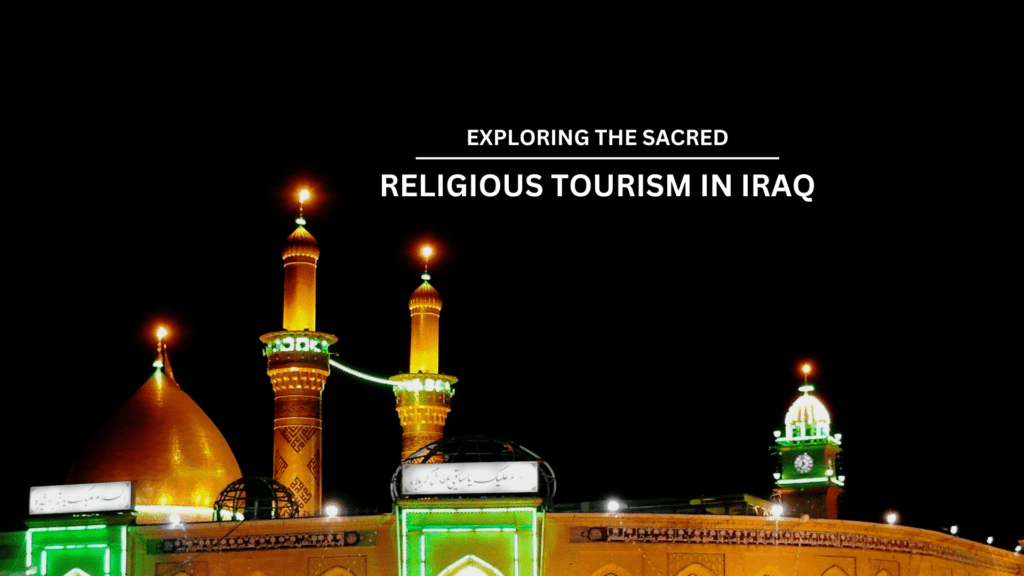
The pilgrimage centres on the Shrine of Imam Hussein in Karbala, alongside the nearby Shrine of his half-brother, Imam Abbas. For Shia Muslims around the world, reaching Karbala at this time is an expression of devotion and remembrance. People also travel from many backgrounds to witness the occasion, learn about its heritage or accompany family and friends.
Respect is essential. Arbaeen is not a festival in the conventional tourist sense, nor is it simply a large public event to photograph. It is a period of worship, mourning, charity and solidarity. Visitors are welcome when they approach the experience with humility, appropriate dress and a willingness to follow local guidance.
The walk to Karbala: a journey shaped by hospitality
The best-known Arbaeen route runs from Najaf to Karbala, a journey of roughly 80 kilometres. Pilgrims commonly complete it over two or three days, though the pace is personal. Along the way, numbered roadside markers help walkers understand their progress towards Karbala.
What makes the route remarkable is the network of mawkibs – community-run hospitality stations. Families, neighbourhoods, charities and religious groups offer food, water, tea, rest spaces and practical support without expecting payment. This culture of khidma, or service, is at the heart of Arbaeen. Accepting hospitality graciously, thanking hosts and avoiding waste are meaningful ways to take part respectfully.
The walk is optional. Some pilgrims travel to Karbala by car, coach or other organised transport because of age, health, time or family circumstances. There is no single correct way to arrive. The purpose is remembrance, not endurance for its own sake.
Planning an Arbaeen visit to Iraq
Arbaeen rewards careful planning more than last-minute decisions. This is particularly true for international visitors, who need to account for visa arrangements, regional flight schedules and very limited availability in Karbala during the peak days.
Choose your timing carefully
If your priority is to join the Najaf-to-Karbala walk, aim to arrive in Iraq several days before 20 Safar. This gives you time to settle in, collect any essentials and begin at a comfortable pace. If you want to experience the atmosphere while avoiding the densest crowds, consider staying in Najaf or another nearby city and making carefully planned arrangements around the central date.
Karbala is exceptionally busy during Arbaeen. Rooms can be scarce, roads may operate differently and journey times can be longer than normal. A confirmed place to stay and a realistic onward-transport plan are far more valuable than an ambitious schedule.
Prepare for heat, walking and crowds
As Arbaeen moves through the year, weather conditions change. In a summer Arbaeen, heat can be a serious consideration, especially for walkers. Carry water, use sun protection, wear well-broken-in walking shoes and choose loose, modest clothing suited to the conditions. A small day bag, basic medicines and a portable charger are practical additions.
Even when food is generously available at mawkibs, travellers with allergies, dietary requirements or medical conditions should bring suitable supplies and clearly communicate their needs where possible. Do not attempt the full walk if you are unwell or unprepared. Coaches and private transport remain sensible options.
Arrange travel documents early
Visa rules depend on nationality and can change. Check the current requirements through official Iraqi channels before booking non-refundable travel, and ensure your passport has sufficient validity. Visitors travelling specifically for a religious occasion may encounter different processes from those visiting for general tourism, so verify the category that applies to you.
It is wise to keep digital and paper copies of your passport, visa, accommodation details and emergency contacts. International travellers should also arrange insurance that is valid for their itinerary and activities.
Book accommodation beyond the obvious places
Staying directly in Karbala can be meaningful, but availability during Arbaeen is limited and conditions are unlike an ordinary city break. Depending on your plans, Najaf, Baghdad or other locations connected by organised transport may offer more options. The right choice depends on whether you intend to walk, how long you are staying and how comfortable you are with busy travel days.
Platforms such as Stay In Iraq can help visitors explore accommodation options and build a wider itinerary around their pilgrimage. Many travellers choose to add time in Baghdad, Najaf or the ancient sites of southern Iraq, allowing the pilgrimage to become part of a deeper journey through the country.
Cultural etiquette for first-time visitors
Modesty, patience and attentiveness go a long way during Arbaeen. Dress conservatively: clothing should cover shoulders and legs, and women commonly carry a headscarf for shrine areas and religious settings. Follow instructions at shrine entrances, security points and hospitality stations, particularly around prayer times and crowded areas.
Always ask before taking close photographs of people, especially families, worshippers and those offering service. Some moments are best experienced without a camera. Avoid blocking walking routes, arguing over queues or treating free food and services as an entitlement.
A few Arabic phrases can also create warm exchanges. “Shukran” means thank you, while “salaam alaikum” is a respectful greeting. You do not need fluent Arabic to be welcomed in Iraq, but a sincere effort signals appreciation for the people making the pilgrimage possible.
Is Arbaeen suitable for non-Muslim visitors?
Non-Muslim visitors can learn a great deal from Arbaeen, provided they understand that its religious meaning comes first. Access rules within particular shrine spaces may vary, and local guidance should always be followed. The most appropriate approach is to observe respectfully, listen, dress modestly and avoid presenting yourself as the focus of the occasion.
For photographers, writers and culturally curious travellers, the scale of Arbaeen can be compelling. Yet its most lasting impression often comes from small encounters: a cup of tea offered on a hot road, a family insisting you rest, or a conversation that crosses language barriers. These are expressions of Iraqi hospitality rooted in a tradition far older than any travel itinerary.
Arbaeen is a powerful reason to visit Iraq, but it asks visitors to arrive with care as well as curiosity. Confirm the date, allow more time than you think you need, and leave space for the generosity and human connection that make the road to Karbala unlike any other journey.