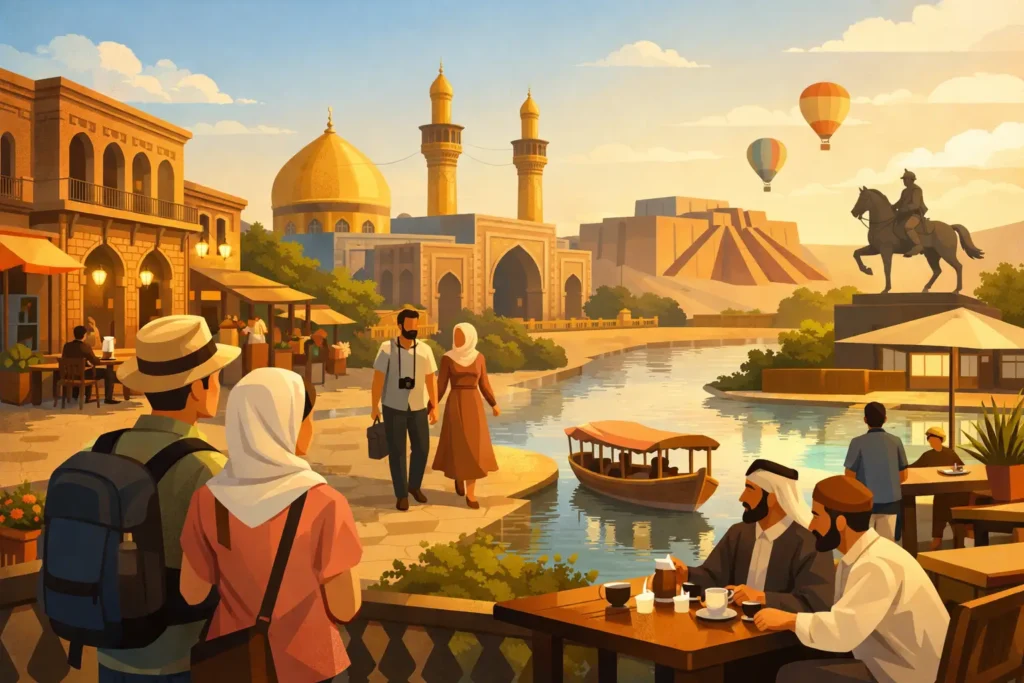
A sunrise over the Tigris, the call to prayer drifting across old streets, and a conversation over tea in a courtyard older than many modern nations – this is where discover Iraq heritage travel becomes more than a search term. It becomes a real invitation. For travellers drawn to history, spirituality and cultural depth, Iraq offers something increasingly rare: a heritage journey that still feels alive.
This is not a destination to rush through with a checklist. Iraq rewards curiosity, patience and respect. Its heritage is not confined to museums or famous ruins. It is present in shrines and souqs, in river cities and desert landscapes, in the memory of communities, and in the everyday generosity visitors often remember long after they return home.
Why discover Iraq heritage travel now
Iraq holds an exceptional place in human history. This is the land of Mesopotamia, where some of the world’s earliest cities, writing systems and legal traditions emerged. Yet the appeal of Iraq today is not only its past. It is the way ancient history sits beside living faith, contemporary city life and deeply rooted local traditions.
For heritage travellers, that combination matters. Some destinations preserve monuments beautifully but feel detached from daily life. Iraq is different. A visit here can move from archaeological landscapes to active shrines, from Abbasid architecture to family-run restaurants, from a museum collection to a local story told by someone whose connection to place is personal rather than performative.
That does mean expectations should be realistic. Travel in Iraq can be less polished than in long-established tourist markets, and that is part of both the challenge and the value. The experience often feels more direct, more human and more memorable because of it.
The places that define Iraq heritage travel
Baghdad and the weight of living history
Baghdad is essential for anyone trying to understand Iraq beyond headlines or shorthand. It remains one of the great historic cities of the region, shaped by scholarship, trade, religion and literature. While many visitors arrive expecting only significance, they often leave remembering atmosphere – river views, book markets, historic districts and the rhythm of a city that continues to reinvent itself.
For heritage travel, Baghdad offers layers rather than a single landmark. You see traces of the Abbasid legacy, encounter institutions that preserve Iraq’s story, and experience a capital where the past has never fully disappeared from public life. It is best approached with time and local context rather than haste.
Najaf and Karbala for spiritual heritage
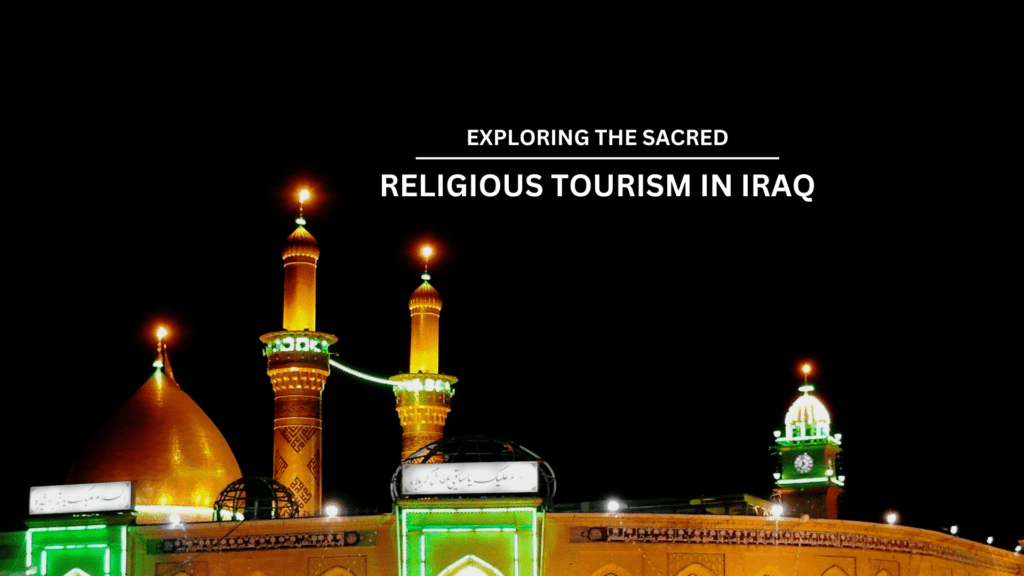
For many travellers, especially Muslim visitors and diaspora families, heritage in Iraq is inseparable from faith. Najaf and Karbala are among the most important religious destinations in the Islamic world, and their significance cannot be reduced to architecture alone. These are places of devotion, scholarship, memory and profound emotional meaning.
Non-pilgrim visitors should approach both cities with sensitivity. Dress modestly, observe local customs carefully and understand that the spiritual atmosphere shapes the visitor experience. For those who travel respectfully, these cities offer a powerful encounter with living religious heritage rather than static historic display.
Babylon and the imagination of ancient civilisation
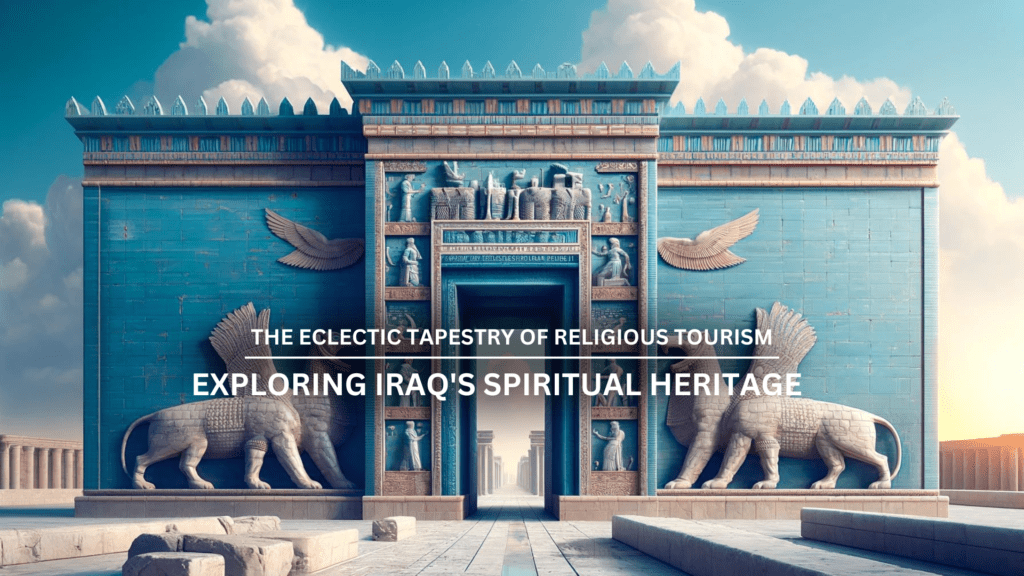
Few names carry the same historical resonance as Babylon. For many international travellers, it is one of the first sites that sparks curiosity about Iraq. Standing near the remains of one of the ancient world’s most storied cities can be genuinely moving, particularly for visitors interested in archaeology, empire and the earliest urban cultures.
At the same time, heritage travel here benefits from context. The site is important not only because of what once stood there, but because of what it represents in the broader arc of civilisation. Travellers who arrive informed tend to appreciate more than the ruins themselves – they understand the site’s symbolic weight.
Mosul, Basra and the wider heritage map
Iraq’s heritage journey should not stop with the most recognised names. Mosul carries extraordinary cultural depth, with its own architectural, religious and urban legacy. Basra opens a different window onto Iraq, shaped by waterways, trade and a distinct southern identity. Elsewhere, smaller cities and lesser-known historic sites often reveal the country’s diversity more clearly than famous monuments do.
This is where Iraq becomes especially rewarding for repeat visitors. A first trip may focus on major historical and spiritual centres. A second often goes further, towards regional character, local traditions and a broader understanding of how varied Iraqi heritage really is.
Heritage in Iraq is not only ancient
One of the most useful ways to approach discover Iraq heritage travel is to widen the definition of heritage itself. Iraq is not only about antiquity. It is also about craftsmanship, language, cuisine, music, hospitality and the social rituals that make a place feel distinct.
A traditional market visit can reveal as much about continuity as an archaeological site. So can a meal shared with locals, a walk through an old neighbourhood, or time spent in a shrine city where devotion shapes the urban landscape. Heritage here is lived, practised and remembered collectively.
That distinction matters for travellers who want depth rather than spectacle. If you only chase the biggest names, you may miss the texture that makes Iraq unforgettable. Often, the most meaningful moment is not the grandest one. It is the conversation, the invitation, the quiet sense that history is still part of ordinary life.
How to plan a meaningful heritage trip
Build your itinerary around purpose
The best Iraq itineraries usually start with one main motivation. Some travellers come for ancient civilisation. Others are drawn by pilgrimage, photography, architecture or family connection. Once that purpose is clear, it becomes easier to build a route that feels coherent rather than overloaded.
Trying to see everything in one visit is rarely wise. Distances, regional differences and the emotional weight of some places mean slower travel tends to work better. A shorter trip focused on Baghdad and one or two major destinations can be more rewarding than an ambitious circuit that leaves no room for reflection.
Allow for local guidance
Iraq is far easier to understand with informed local support. That does not always mean a rigid group tour, but it does mean valuing local knowledge when it comes to context, etiquette and logistics. Heritage sites become richer when their stories are explained properly, and city visits become smoother when you understand local rhythms.
This is also where practical travel planning matters. Accommodation choice, internal transport and realistic scheduling can shape the quality of the experience as much as the destinations themselves. Platforms such as Stay In Iraq help make that process more approachable by combining inspiration with useful planning support.
Travel with respect, not performance
Iraq welcomes visitors warmly, but respectful behaviour matters. Dress appropriately, especially at religious sites. Ask before photographing people. Be mindful that sacred places are not simply attractions. Show patience when plans shift, and stay open to local ways of doing things rather than expecting every service to mirror more commercial destinations.
The trade-off is simple. Travellers looking for polished, highly standardised tourism may find parts of Iraq less familiar. Travellers looking for authenticity, human warmth and substance often find that those same qualities are exactly what make the journey worthwhile.
Practical confidence for first-time visitors
A heritage journey is easier to enjoy when basic concerns are handled well. Before travelling, check current visa requirements through official sources and confirm the practical details for your nationality. Research internal transport options in advance, especially if you plan to visit several cities. Choose accommodation that fits your route rather than booking purely on price.
It also helps to travel with cultural awareness rather than apprehension. Iraq is a country of strong hospitality, and visitors who arrive informed and respectful are often met with generosity. Still, like anywhere unfamiliar, preparation matters. Knowing where you are staying, how you will move between cities and what local customs to observe creates confidence without dulling spontaneity.
For photographers and content creators, there is another consideration. Iraq offers visually powerful heritage settings, but responsible storytelling matters. Represent places honestly. Show daily life, dignity and human connection. The country deserves better than recycled stereotypes or flattened imagery.
What stays with travellers after they leave
People often come to Iraq expecting significance. They leave talking about warmth. Heritage matters here because it is tied to people – caretakers of shrines, market traders, hotel hosts, guides, families, scholars and fellow travellers making sense of a place that feels both ancient and immediate.
That is why discover Iraq heritage travel resonates so strongly with those who choose it. It is not only about seeing where civilisation began. It is about experiencing a country where memory, faith, resilience and welcome continue to shape the journey.
If Iraq is on your mind, let that curiosity grow into something practical. Read carefully, plan thoughtfully, and arrive with respect. The country’s heritage will speak for itself, but it is often the people who help you hear it properly.