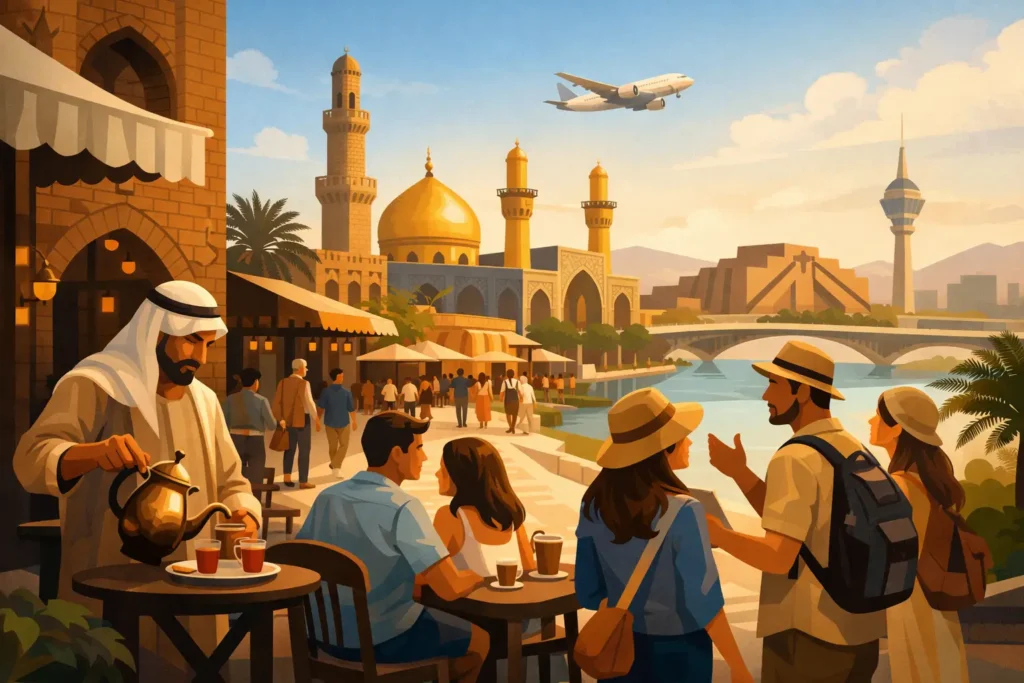
Baghdad at sunset feels different from the version many travellers carry in their heads. The call to prayer drifts across the city, tea is poured without hurry, and conversations begin with generosity. That is why a practical Iraq travel guide matters – not to sell a fantasy, but to replace distance and doubt with clear, grounded information for people who want to experience Iraq with respect.
For the right traveller, Iraq is not a box-ticking destination. It is a place of depth. You come for ancient civilisations, sacred shrines, Abbasid streetscapes, marshland culture, mountain horizons, and some of the warmest hospitality in the region. You also come knowing that planning well matters here more than it might in more familiar destinations.
Why travel to Iraq now
Iraq rewards curiosity in a way few destinations can. In one journey, you can move from the memory of Mesopotamia to living religious traditions, from river cities to desert heritage, from busy urban centres to deeply local encounters over bread, rice and endless glasses of chai.
What makes Iraq especially compelling is that it still feels real. Many experiences are not staged for tourism. Markets are working markets. Shrines are places of devotion first. Historic quarters are part of everyday life. For travellers who care about authenticity, that is not a drawback – it is the reason to come.
At the same time, Iraq is becoming easier to approach. Travel infrastructure is improving, domestic connections are more practical than many first-time visitors expect, and trusted local travel platforms such as Stay In Iraq are helping travellers move from curiosity to confident planning.
Iraq travel guide essentials before you go
The biggest mistake first-time visitors make is assuming Iraq can be approached like a short European city break. It can absolutely be comfortable and rewarding, but it benefits from preparation.
Visas and entry
Visa rules depend on your nationality and the part of Iraq you plan to visit. Requirements can change, so travellers should always check the latest official guidance before booking flights. Some visitors may find entry straightforward, while others will need more advance planning. If you are combining federal Iraq and the Kurdistan Region, confirm the current rules for both parts of your trip rather than assuming one entry process covers everything.
When to visit
Spring and autumn are usually the most comfortable seasons for general sightseeing. Temperatures are more manageable, especially if you plan to explore archaeological sites, city streets and religious landmarks on foot. Summer can be intense in much of the country, particularly in central and southern Iraq, while winter can be cooler and occasionally wet depending on the region.
If your trip centres on pilgrimage or religious commemoration, dates matter even more. Cities such as Najaf and Karbala can become especially busy during major religious periods, which brings extraordinary atmosphere but also larger crowds, fuller hotels and more complex transport.
Money and connectivity
Cash remains important in Iraq, so do not rely entirely on cards. In major cities, you will find more flexibility, but smaller businesses, local transport and markets often work best with cash. It is wise to carry smaller notes for day-to-day spending.
Mobile connectivity is generally manageable, particularly in urban areas, and having local data makes a genuine difference when arranging transport, checking directions and staying in touch with accommodation hosts.
Where to go in Iraq
A good Iraq travel guide should not pretend there is one perfect route. The best itinerary depends on why you are coming.
Baghdad
Baghdad is often where expectations change. It is layered, energetic and culturally rich. For many visitors, it offers the strongest first impression of contemporary Iraq – book markets, riverfront views, historic districts, museums, old cafés and a rhythm that feels both grand and intimate.
It is a strong choice for travellers interested in history, architecture and urban culture. Give it time. Baghdad is not a city to rush through in a day.
Najaf and Karbala
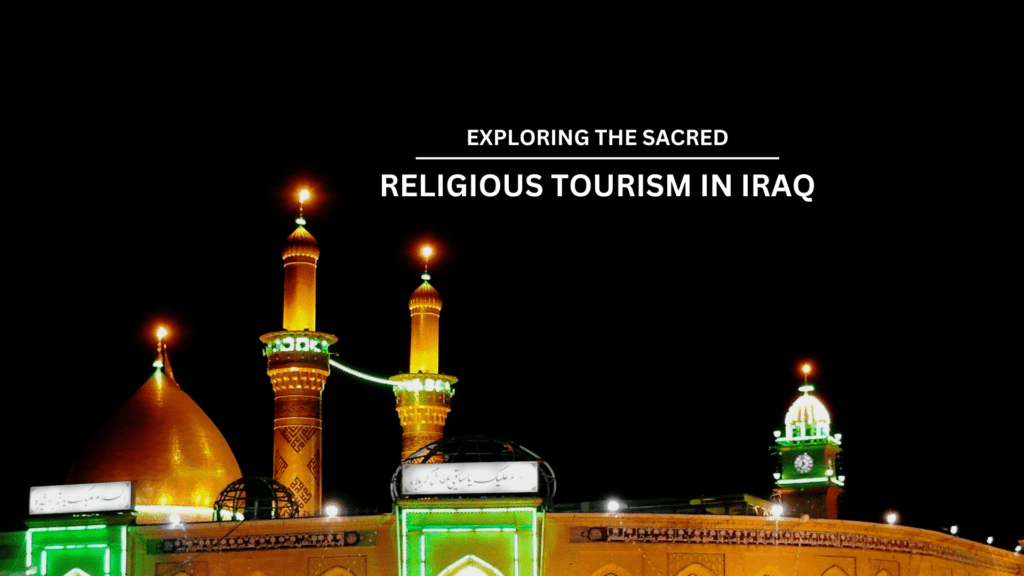
For Muslim pilgrims and travellers interested in spiritual heritage, Najaf and Karbala are central. These cities hold profound religious importance and welcome visitors from across the world. Even for non-pilgrims, they offer insight into living traditions, devotional culture and some of the most meaningful hospitality you may encounter.
The key here is respectful conduct. Dress modestly, observe local customs carefully and remember that many spaces are sacred before they are touristic.
Basra and the south
Basra offers a different perspective on Iraq – river life, Gulf-linked heritage, date palms and a strong sense of southern identity. Nearby, the Mesopotamian Marshes can be deeply memorable for travellers interested in landscape, ecology and traditional lifeways.
This part of Iraq suits visitors who want something quieter and more reflective. It may require more planning, but the rewards are considerable.
Mosul and the north
Mosul holds immense historical and cultural significance and remains one of Iraq’s most important cities. For many travellers, a visit here is about understanding continuity, resilience and heritage through the city’s people, markets, food and landmarks.
Elsewhere in the north, you will find distinct landscapes and identities that broaden any understanding of Iraq beyond a single narrative.
Erbil and the Kurdistan Region
Many first-time visitors start in Erbil, and for good reason. It is accessible, well connected and offers a comfortable introduction to travelling in Iraq. The citadel, bazaars, mountain excursions and café culture make it a good base for travellers who want a gentler pace or are combining city time with nature.
If you only visit the Kurdistan Region, you will still have a rewarding trip. But if your goal is to understand Iraq more fully, consider combining it with federal Iraq if logistics and visas allow.
Getting around with confidence
Transport in Iraq is possible, but it works best when planned realistically. Distances can be longer than they look on a map, and travel times may vary.
Domestic flights are useful for covering larger distances, particularly if you want to combine northern, central and southern destinations in one trip. Within cities, private drivers and arranged transfers are often the simplest option for international visitors, especially on a first visit. Taxis are common, but clear communication on destination and fare helps.
Independent travel is possible in some areas, but it depends on your experience, language comfort and itinerary. If your schedule includes multiple cities, archaeological sites or religious destinations, local support can make the trip much smoother without making it feel over-managed.
Culture, customs and what respectful travel looks like
Iraq is welcoming, but travellers should meet that welcome with awareness. Modest dress is advisable for both men and women, particularly in religious cities and traditional neighbourhoods. In shrine areas, expectations are stricter, and visitors should follow local guidance without argument.
Photography is another area where sensitivity matters. Landscapes and architecture may be fine, but always ask before photographing people. In sacred spaces, assume that reverence comes first. A small gesture of courtesy often changes an interaction completely.
You do not need perfect Arabic or Kurdish to travel meaningfully in Iraq. A few greetings and polite phrases go a long way. More than polished language, what people notice is sincerity.
Safety and practical judgement
Travellers often ask whether Iraq is safe, and the honest answer is that it depends on where you go, how you travel and how well you prepare. Iraq should not be approached carelessly, but neither should it be treated as unknowable. Conditions vary by region and route, so up-to-date local information is essential.
For most visitors, the sensible approach is straightforward: stay informed, use trusted local advice, avoid unnecessary improvisation with long intercity journeys, and build a realistic itinerary. That is not alarmism. It is simply good travel practice in a destination where context matters.
What to eat and where hospitality appears
Food is one of the fastest ways to understand Iraq. You will find fragrant rice dishes, grilled meats, river fish, fresh bread, stuffed vegetables, sweets and tea that seems to appear at exactly the right moment. Meals often feel generous not just in portion, but in spirit.
Accepting tea, slowing down for conversation and showing interest in local food culture opens doors. Some of the best travel moments in Iraq are not landmark moments at all. They happen around tables, in family-run restaurants, in market stalls and in the easy rhythm of being welcomed.
How long to stay
If you are visiting for the first time, a week is a reasonable minimum. That gives you enough time to experience one or two major cities without turning the trip into a blur. Ten days to two weeks is better if you want a broader route that includes heritage, spirituality and regional contrast.
Trying to see everything in one visit is rarely the best choice. Iraq is richer when approached with focus.
A good trip here is not built on rushing from highlight to highlight. It is built on allowing room for conversations, prayer times, traffic patterns, family invitations, changing weather and the simple fact that some places deserve more patience than your itinerary first suggests.
If Iraq has been on your mind for years, take that instinct seriously. Come prepared, come respectfully, and give the country enough time to speak for itself.