Seven days in Iraq can feel both ambitious and surprisingly manageable. If you are building a Iraq travel itinerary 7 days long, the key is not trying to see everything. Iraq rewards travellers who move with purpose, allow time for conversation, and leave room for places to reveal themselves properly.
This route is designed for first-time visitors who want a strong introduction to Iraq’s history, spirituality, architecture and everyday hospitality without turning the week into a checklist. It combines major cultural centres with realistic travel flow, and it works especially well for travellers arriving through Baghdad and leaving from Basra, or looping back north if needed.
Iraq travel itinerary 7 days: the best route for first-time visitors
For a one-week trip, the most balanced route is Baghdad, Babylon, Najaf, Karbala and Basra. That gives you ancient heritage, living religious significance, riverfront culture and a better sense of Iraq as a modern destination shaped by people as much as monuments.
Could you add Mosul, Erbil or the southern marshes? Yes, but not without trade-offs. In seven days, extra stops often mean more time in transit and less time actually experiencing each place. If this is your first visit, depth usually works better than range.
Day 1: Arrive in Baghdad and settle into the city
Start in Baghdad, a city that carries centuries of memory while remaining very much alive in the present. Your first day should be light. After arrival, give yourself time to rest, get oriented and adjust to the rhythm of the city.
In the afternoon or evening, head out for a gentle introduction. Depending on your arrival time and local access, that may mean a walk in a lively district, tea in a traditional café, or a riverside view of the Tigris. Baghdad is not a city to rush through on foot with your eyes fixed only on landmarks. It makes a stronger impression when you notice the details – bookshops, street conversation, family life, old facades and the confidence with which locals welcome visitors.
If you can, stay centrally so your first and last nights feel simple rather than logistical.
Day 2: Full day in Baghdad
Your second day is where Baghdad begins to open up. A full day here should mix historical sites with contemporary atmosphere. That may include the National Museum of Iraq if access aligns with your visit, heritage streets, notable mosques, traditional markets and key cultural quarters.
Baghdad deserves patience because it is not only about famous names from Islamic history or Abbasid heritage. It is also about scale, texture and continuity. You are seeing one of the world’s great historical capitals, but you are also witnessing how ordinary life gives that history its present meaning.
Keep your schedule flexible. Some travellers prefer a museum-heavy day. Others want architecture, neighbourhood wandering and food. Both approaches work. What matters is allowing enough time to absorb the city rather than treating it as a transit point.
Days 3 and 4: Babylon, Najaf and Karbala
This part of the itinerary brings together two sides of Iraq that many travellers come specifically to experience: ancient civilisation and profound spiritual significance.
Day 3: Baghdad to Babylon, then continue to Najaf
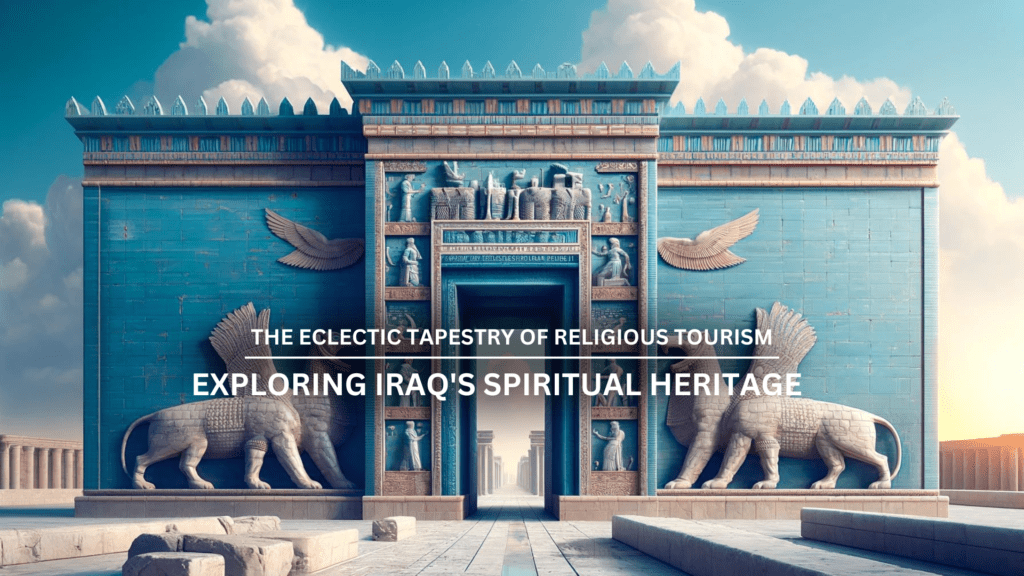
Leave Baghdad in the morning for Babylon. For many international visitors, this is one of the most anticipated stops in the country. The site carries immense historical weight, and even for travellers who know the name well, seeing Babylon in person creates a different kind of understanding. The scale of the landscape matters. So does the awareness that you are standing in a place central to the story of civilisation itself.
Babylon works best when visited without hurry. You do not need an entire day, but you do need enough time to walk, reflect and take in the broader context. This is less about dramatic spectacle and more about historical presence.
After Babylon, continue to Najaf for the night. The transfer is practical and keeps the route efficient. Arriving in Najaf by evening allows you to experience the city in a calmer, more atmospheric way.
Day 4: Najaf and Karbala
Najaf is one of the most important spiritual cities in the Islamic world, and even non-pilgrim visitors often describe it as one of the most moving places in Iraq. The shrine of Imam Ali holds enormous religious significance, and the city around it feels deeply rooted in devotion, scholarship and continuity.
Dress modestly, move respectfully and give yourself time. This is not a place for hurried sightseeing. It is a place to observe, listen and understand how faith shapes the identity of the city.
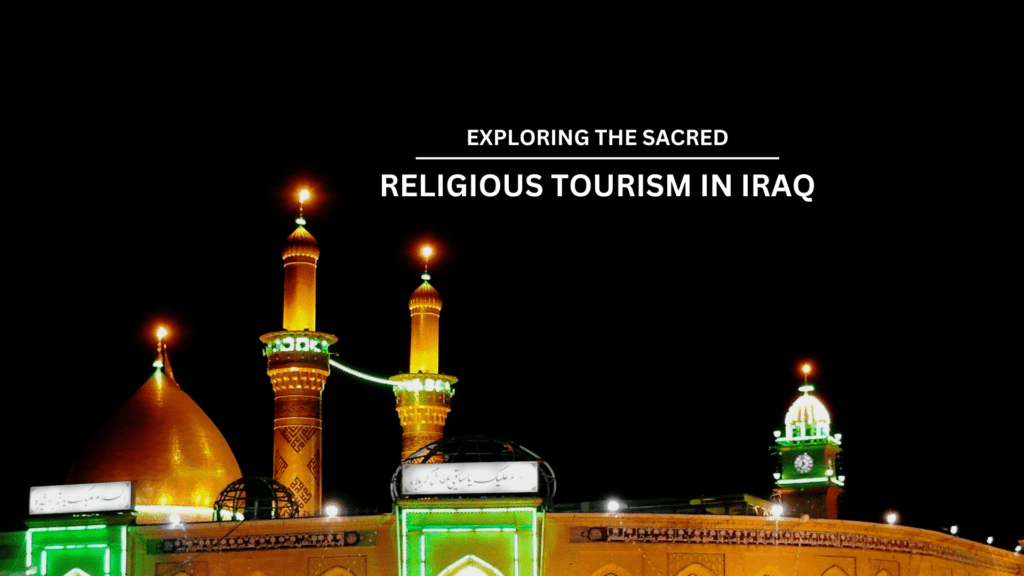
Later in the day, continue to Karbala. If your interest is primarily religious, you may wish to spend more time here or even reverse the order and sleep in Karbala instead. The shrines of Imam Hussein and Abbas are central for many Muslim travellers, and the emotional atmosphere can be powerful even for those visiting from a broader cultural perspective.
If you are not on a pilgrimage-focused journey, a well-paced visit to both Najaf and Karbala in one day is possible, but it will be full. The trade-off is clear: you gain breadth, but you sacrifice some stillness.
Iraq travel itinerary 7 days for culture and comfort
By day five, many travellers face a choice. Do you continue south for a different side of Iraq, or do you stay longer in the holy cities? For most first-time visitors seeking a rounded trip, heading to Basra offers the best contrast.
Day 5: Travel to Basra
The journey to Basra shifts the mood of the trip. Basra feels different from Baghdad and the shrine cities – more maritime, more humid, more tied to waterways and trade. It adds another layer to your understanding of the country.
Use this day partly for transit and partly for a softer arrival. Once in Basra, an evening by the Shatt al-Arab, a relaxed dinner, or simply taking in the city’s atmosphere is enough. You do not need to overfill every day for the trip to feel meaningful.
Basra is often underestimated by first-time visitors, yet it offers something essential: a sense of Iraq’s southern identity, shaped by ports, palms, poetry and regional exchange.
Day 6: Explore Basra properly
Give Basra a full day. Depending on current access and your interests, that may include heritage areas, old houses, market streets and waterside views. Some travellers are drawn to Basra’s literary and intellectual associations, while others simply enjoy the slower, more open feel of the city.
This is also where food can become a highlight. Southern Iraqi hospitality has its own warmth, and meals often become part of the memory of the place rather than a pause between sights.
If you are especially interested in nature and traditional lifeways, you could explore whether a marsh-focused excursion is realistic from Basra. But this is an it depends moment. In a seven-day trip, adding the marshes can be rewarding, yet it also adds coordination and may compress your final day. If your priority is ease, keep Basra itself as your focus.
Day 7: Final morning and departure
On your last day, keep plans light. If departing from Basra, use the morning for one last walk, a quiet breakfast or any site you missed. If your flight requires returning to Baghdad, this becomes primarily a transit day, and that is another reason not to overload the earlier part of the itinerary.
A strong final day in Iraq does not need a headline attraction. Often, it is the smaller moments that stay with people – the shopkeeper who insists on tea, the family who asks where you are from, the call to prayer echoing through a city you had once only imagined from afar.
Practical tips for a 7-day trip in Iraq
Transport matters more than distance on a trip like this. Some routes look short on a map but require more coordination than expected, so build in buffer time. If you want the smoothest experience, pre-arranged drivers or guided transfers between cities can make the journey much easier, especially if this is your first visit.
Accommodation should follow the route rather than compete with it. Choose hotels that reduce friction – central locations, reliable check-in and easy access to the areas you actually want to visit. In Baghdad and Basra, this can shape your experience more than travellers sometimes expect.
Season also changes the rhythm of this itinerary. Spring and autumn are usually more comfortable for moving between cities and exploring on foot. Summer can still work, particularly for travellers used to heat, but you will need a slower pace and more deliberate planning around the hottest hours.
Cultural awareness is not an extra here. It is part of travelling well in Iraq. Dress respectfully, ask before photographing people, and understand that some of the most meaningful places on this route are active religious spaces first and visitor sites second.
Finally, keep your expectations open. Iraq is rich in world-famous history, but many travellers leave talking just as much about kindness as they do about monuments. That is part of what makes the country memorable.
If you only have one week, this itinerary offers a thoughtful beginning rather than a rushed overview. And that is often the best reason to come to Iraq in the first place – not to finish it, but to start a relationship with a country that rewards return visits.