A few years ago, many travellers spoke about Iraq with curiosity but little clarity. For 2026, that picture is changing. Iraq tourism trends 2026 suggest a destination moving from specialist interest to serious consideration, especially among heritage travellers, pilgrims, diaspora visitors and culturally curious explorers looking for depth rather than convenience alone.
That does not mean Iraq is becoming a mass-market destination overnight, and it should not be framed that way. What is changing is the quality of access, the confidence of travellers doing their research properly, and the growing visibility of experiences that feel grounded in real places and real people. For visitors who want meaning, history, spirituality and hospitality, Iraq is entering a new phase.
Iraq tourism trends 2026 are being shaped by confidence
The biggest shift is not simply visitor numbers. It is confidence. More travellers are now asking practical questions about visas, internal transport, accommodation and city-to-city planning, rather than stopping at broad assumptions. That is a healthy sign for any destination.
In Iraq, confidence grows when information becomes clearer and when travellers can imagine the journey in practical terms. Cities such as Baghdad, Najaf, Karbala, Basra and Erbil are increasingly seen not as abstract names on a map, but as places with distinct atmospheres, purposes and visitor appeal. For first-time visitors, that distinction matters. Iraq is not one experience. It is many.
For 2026, expect more travellers to build focused itineraries rather than trying to see everything at once. A pilgrim may centre their trip on Najaf and Karbala. A heritage traveller may prioritise Baghdad, Babylon, Ur and the marshlands of southern Iraq. A diaspora visitor may combine family reconnection with city stays and cultural visits. That move towards purpose-led travel is one of the most important trends to watch.
Heritage travel is moving from curiosity to commitment
Iraq has always held extraordinary weight for travellers interested in civilisation, archaeology and historic cities. What changes in 2026 is that more of those travellers are likely to act on long-held interest.
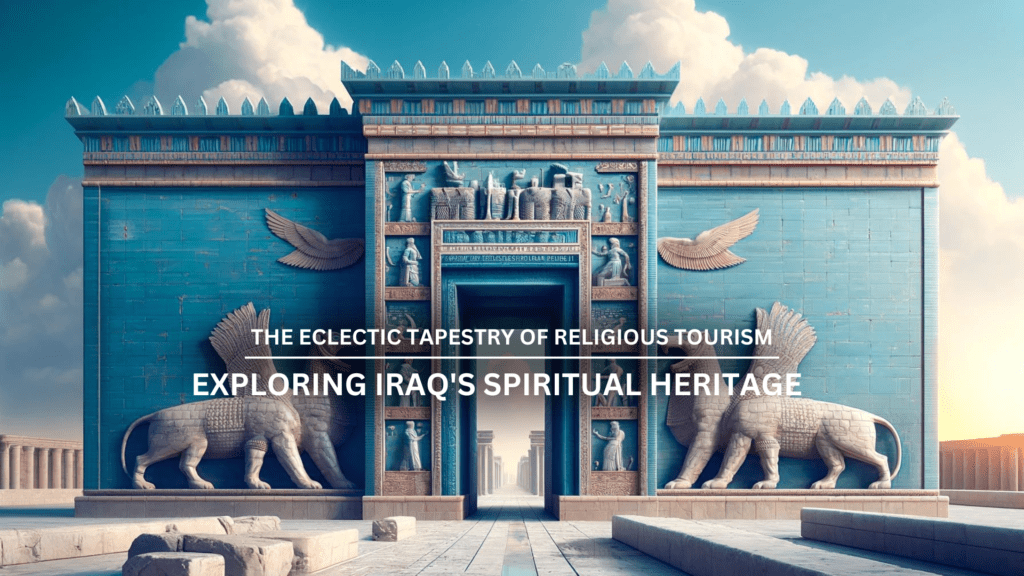
There is growing appetite for destinations that feel consequential. Travellers are not only searching for photogenic landmarks. Many want places that have shaped religion, writing, trade, scholarship and urban life. Iraq offers that in abundance, from Mesopotamian sites to Abbasid heritage, shrines, old city streets, riverfront life and layered local traditions.
That said, heritage travel in Iraq still requires preparation and realistic expectations. Some sites are best appreciated with context, local guidance and a flexible schedule. Infrastructure may vary by location. Not every place will feel polished in the way visitors expect from more commercial tourism markets. For many travellers, though, that is part of the appeal. The experience feels lived-in rather than staged.
This creates a different kind of value. Iraq is likely to attract more travellers in 2026 who care less about checklist tourism and more about understanding where they are. They want to stand in places they have read about for years, speak with local people, and experience heritage as something still present in daily life.
Pilgrimage and spiritual travel will remain central
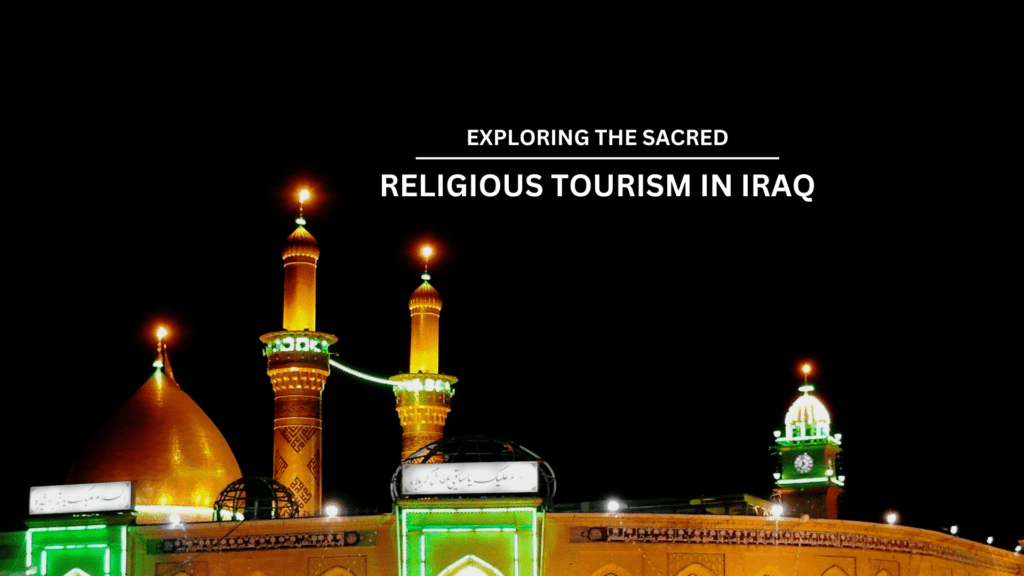
Religious tourism is already one of the strongest foundations of travel in Iraq, and that will continue in 2026. Cities such as Najaf and Karbala hold deep meaning for millions of visitors, and pilgrimage will remain one of the country’s most consistent and influential travel segments.
What is notable now is the wider visibility of spiritual travel beyond those already familiar with Iraq’s religious significance. More international Muslim travellers are beginning to view Iraq as a meaningful destination for ziyarat and reflection, not only as a complex journey for experienced pilgrims. Better digital information, stronger word-of-mouth and more practical travel planning are helping to reduce hesitation.
There is also a more human trend within pilgrimage travel itself. Many visitors are looking to combine devotion with cultural understanding. They want time to appreciate local customs, food, hospitality and the rhythm of each city rather than treating the journey as a rushed transfer between holy sites. For accommodation providers and travel platforms, that means comfort, trust and location matter as much as transport arrangements.
Domestic and diaspora travel will have a stronger influence
One of the most overlooked Iraq tourism trends 2026 is the role of domestic and diaspora travellers in shaping the visitor economy. International tourism often receives the most attention, but returning Iraqis and regional visitors are just as important to how the market develops.
Diaspora travellers in particular are helping redefine what a trip to Iraq can look like. For some, the visit is emotional and family-led. For others, it is also about rediscovering cities, heritage sites and landscapes they know only through memory or family stories. Their expectations can be different from those of first-time foreign visitors. They may want comfort, privacy, flexible accommodation and a mix of familiar and new experiences.
This matters because it encourages a broader hospitality offer. More travellers are looking beyond standard hotels alone. Family-friendly stays, well-presented guest accommodation and home-style hosting are becoming more relevant, especially for longer visits or multigenerational travel.
Accommodation is becoming part of the travel story
In emerging tourism markets, accommodation does more than provide a bed for the night. It signals trust. In Iraq, that role is especially important.
By 2026, travellers are likely to place even greater value on places to stay that feel clearly presented, professionally managed and easy to understand before booking. They want accurate photos, straightforward location details, visible amenities and reassurance that the property suits their purpose, whether that is pilgrimage, heritage touring, family travel or solo exploration.
This is where Iraq’s tourism development becomes interesting. The market does not need to imitate every global trend. It benefits more from building accommodation that reflects local hospitality while meeting modern expectations for cleanliness, communication and convenience. A smaller, well-run stay with warm hosting can outperform a more generic option if it helps visitors feel informed and welcomed.
Platforms such as Stay In Iraq are part of this shift because they connect inspiration with practical planning. That combination will matter more in 2026 as traveller intent becomes stronger and booking decisions become more experience-led.
Slower, deeper city travel is replacing rushed itineraries
Another clear trend is the move towards slower travel. Iraq is not a destination best consumed at speed. Travellers who gain the most from it usually allow time for conversation, context and adjustment.
In 2026, more visitors are likely to spend longer in fewer places. Baghdad may become more than a transit point and instead a city where travellers stay several nights to experience cafés, book culture, river views, heritage districts and museums at a steadier pace. Basra may appeal not only for its history and trade legacy, but for its distinct southern character. The marshes may continue to draw travellers looking for landscape, tradition and a quieter form of discovery.
This slower pattern suits Iraq well. It encourages more respectful engagement and supports local businesses across accommodation, guiding, food and transport. It also gives visitors space to travel more thoughtfully, which is particularly important in a country where regional differences shape the experience.
Content creators and travel media will change perception
Much of Iraq’s tourism growth in 2026 will be influenced by what people see and share. Not sensational images, but credible storytelling. Honest photography, practical travel accounts and city-specific reporting are helping audiences understand Iraq with more accuracy and less distance.
That does not mean every social media post is helpful. Simplified narratives can still flatten a complex country into a single aesthetic. The strongest travel content will be the kind that respects context and avoids treating Iraq as a novelty. Audiences respond well to that approach, especially when they are deciding whether a trip feels realistic.
For photographers, writers and creators, Iraq offers substance. The challenge is to represent it responsibly. The reward is that the destination often leaves a stronger impression than more overexposed travel markets.
What travellers should expect in 2026
The most realistic expectation is that Iraq will be more accessible than many assume, but still better suited to travellers who prepare well. Some journeys will feel straightforward. Others will depend on timing, local knowledge and flexibility. That is not a flaw. It is simply part of travelling in a destination that is developing on its own terms.
For the right traveller, 2026 may be an especially compelling time to visit. Iraq offers a rare combination of historical significance, living spirituality, generous hospitality and genuine discovery. It is becoming easier to plan, easier to imagine and easier to trust, while still retaining the depth that makes it memorable.
The travellers who will get the most from Iraq next year are not those chasing a trend for its own sake, but those willing to arrive with respect, curiosity and enough time to let the country introduce itself properly.