Samarra does not reveal itself through a single monument. Its power lies in the meeting of immense Abbasid-era architecture, a living centre of Shia pilgrimage, and the quieter rhythms of a Tigris-side Iraqi city. This Samarra travel guide will help you plan a respectful, rewarding visit to one of Iraq’s most significant cultural destinations.
For many travellers, Samarra is a natural day trip from Baghdad or part of a wider route through central Iraq. Give it more than a hurried stop if you can. The city’s landmarks deserve time, but so do the practical details: arranging transport, dressing appropriately, and understanding when a sacred space asks visitors to slow down and observe.
Why Samarra matters
Samarra was the capital of the Abbasid Caliphate for much of the ninth century. At its height, it was one of the great cities of the Islamic world: planned on a vast scale, shaped by caliphs, craftsmen and scholars, and spread along the eastern bank of the Tigris.
Today, the Samarra Archaeological City preserves the extraordinary footprint of that period. Its surviving mosques, palaces and urban remains offer something different from a conventional museum visit. The scale is visible in the open landscape itself. You are looking at the remains of a capital that once set artistic and architectural standards far beyond Iraq.
Samarra also holds profound importance for Shia Muslims. The Al-Askari Shrine is associated with the tenth and eleventh Shia Imams, Ali al-Hadi and Hasan al-Askari, and is a place of prayer, remembrance and pilgrimage. Visitors of every background can appreciate the beauty and meaning of the site, provided they approach it with the consideration due to an active religious sanctuary.
The places to see in Samarra
The Great Mosque and Malwiya Minaret
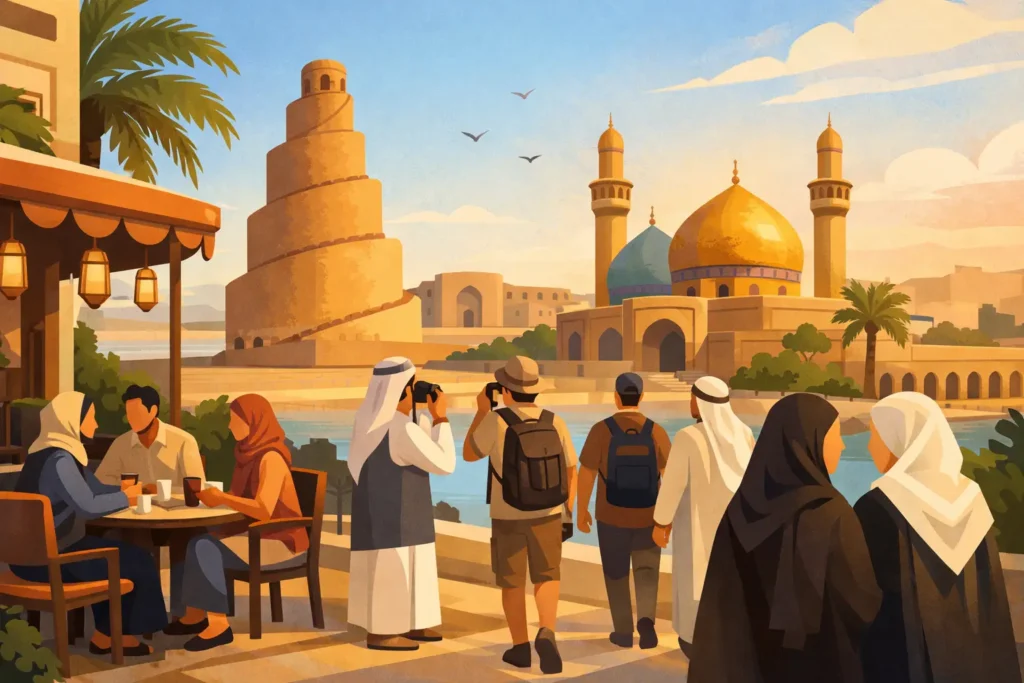
The Great Mosque of Samarra is the city’s defining Abbasid landmark. Built in the ninth century, its vast rectangular enclosure gives a sense of the ambition behind the former capital. The mosque’s famous Malwiya Minaret, a monumental spiral tower, rises from the surrounding plain in a form unlike almost any other Islamic structure.
Photographs rarely convey its scale. From a distance, the minaret looks almost sculptural; up close, its broad spiral ramp and warm brickwork reveal the confidence of Abbasid design. Access arrangements can change, so do not assume that climbing or entering every part of the complex will be possible. A knowledgeable local guide can explain what you are seeing while helping you follow current site rules.
Visit earlier in the day where possible. The light is softer, the site is more comfortable in warmer months, and the surrounding landscape feels especially expansive before midday.
Abu Dulaf Mosque
North of the main archaeological area, the Abu Dulaf Mosque is another remarkable Abbasid monument. It is less familiar to many first-time visitors, which makes it especially worthwhile for travellers interested in architecture and photography. Its own spiral minaret echoes the Malwiya, while the wider ruins show how monumental religious buildings were integrated into Samarra’s planned urban world.
The Great Mosque may be the essential stop, but Abu Dulaf adds context. Seeing both helps travellers recognise that Samarra’s architectural legacy was not a single ambitious project but part of a much larger imperial vision.
Al-Askari Shrine
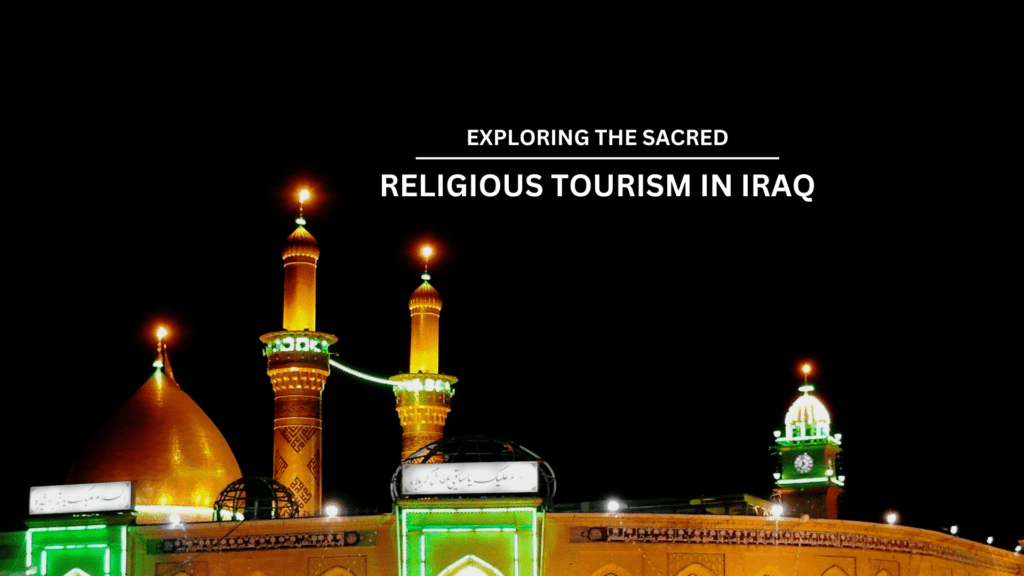
The golden dome of Al-Askari Shrine is among the most recognisable sights in Iraq, yet the experience of visiting is defined less by photography than by atmosphere. Pilgrims arrive to pray, recite and pay their respects. Families gather quietly. The courtyard, tilework and calligraphy create a setting of deep reverence.
Dress modestly and conservatively. Women may be expected to wear a head covering and an abaya or comparable loose outer garment, depending on the shrine’s requirements that day. Men should wear long trousers and avoid sleeveless tops. Security and shrine staff will direct visitors through the appropriate entrances and procedures, so follow their guidance without argument.
Ask before taking photographs, particularly inside religious spaces or near worshippers. It is good manners to keep your mobile phone unobtrusive, speak softly and avoid treating the shrine as a backdrop. A respectful visit is not restrictive – it is often the route to a more meaningful encounter with the place and the people who hold it dear.
The Tigris and the city beyond the monuments
Samarra’s heritage is not confined to its major sites. Between visits, take time to notice the city’s everyday life: tea served with generous hospitality, small shops, families moving through the streets and the calm presence of the river. These moments are part of travelling in Iraq well. They replace distant assumptions with direct human connection.
If you are travelling with an Iraqi guide or host, ask about local food and regional specialities rather than relying solely on a fixed itinerary. A simple meal or tea break can become one of the most memorable parts of the day.
Planning your visit to Samarra
Most international visitors reach Samarra by private car and driver from Baghdad. The journey is commonly planned as a full-day excursion, allowing time for transport, site access and unhurried visits. Public transport may suit experienced Arabic-speaking travellers, but it is less straightforward for those visiting Iraq for the first time. A private driver or established local tour operator offers greater flexibility and removes much of the uncertainty around timings and entry arrangements.
It is wise to confirm your route, driver and planned stops in advance. Carry your passport, relevant Iraqi entry documents and a copy of your accommodation details. Keep some Iraqi dinar in small notes for refreshments and incidental costs, while recognising that payment options vary by place.
For a first visit, Baghdad is usually the most practical base. It has the broadest range of accommodation and services, and makes it possible to combine Samarra with Baghdad’s museums, historic streets and riverside life. Travellers continuing north may build Samarra into a longer central Iraq itinerary, but journey plans should be tailored to current local conditions and advice.
When to go
Spring and autumn are generally the most comfortable seasons for outdoor sightseeing, with milder temperatures and clearer conditions for long walks around archaeological areas. Winter can also be pleasant, though evenings may feel cool. Summer rewards early starts, plenty of water and a realistic pace. Samarra’s major sites are exposed, and shade is limited around the ruins.
Religious dates can bring a powerful sense of community to the shrine area, but they can also mean larger crowds, altered traffic arrangements and limited availability for transport or accommodation. This is not necessarily a reason to avoid travelling. It depends on whether you hope to witness pilgrimage life or prefer a quieter archaeological visit. Plan further ahead if your dates coincide with major observances.
Customs, safety and respectful travel
Samarra welcomes visitors who arrive with curiosity and good judgement. Iraq is increasingly accessible to travellers, but practical preparation remains essential. Check the latest official entry requirements and travel advice issued for your nationality before departure, as visa rules and local arrangements can change. Do not rely on old forum posts or second-hand information for decisions about border entry.
Within the city, use a trusted local driver, guide or host who understands current access procedures. Stay aware of your surroundings, keep valuables discreet, and ask before photographing people, security points or official buildings. These are sensible habits in any unfamiliar destination and help ensure your attention stays on the experience rather than logistics.
Arabic is widely spoken, and even a few phrases are warmly received. Try salaam alaikum for a greeting and shukran for thank you. English may be available through guides and in some visitor-facing settings, but it should not be assumed everywhere. Patience, warmth and a willingness to communicate beyond words go a long way.
A thoughtful Samarra itinerary
A well-paced day begins with an early departure from Baghdad and a morning visit to the Great Mosque and Malwiya Minaret, when the heat and crowds are usually more manageable. Continue to Abu Dulaf Mosque if access and timing allow, then pause for lunch or tea before visiting Al-Askari Shrine with the appropriate dress and mindset.
This order works because it separates the archaeological experience from the devotional one. Both are central to Samarra, but they invite different kinds of attention. Rushing from one to the other can flatten the city into a checklist. Leave room for conversations, changed opening arrangements and the unexpected generosity that so often shapes travel in Iraq.
Samarra asks visitors to look beyond headlines and beyond the familiar postcard version of heritage. Stand before the Malwiya, listen to the quiet movement of pilgrims at Al-Askari Shrine, and let the city show how Iraq’s past remains present in the lives of its people.