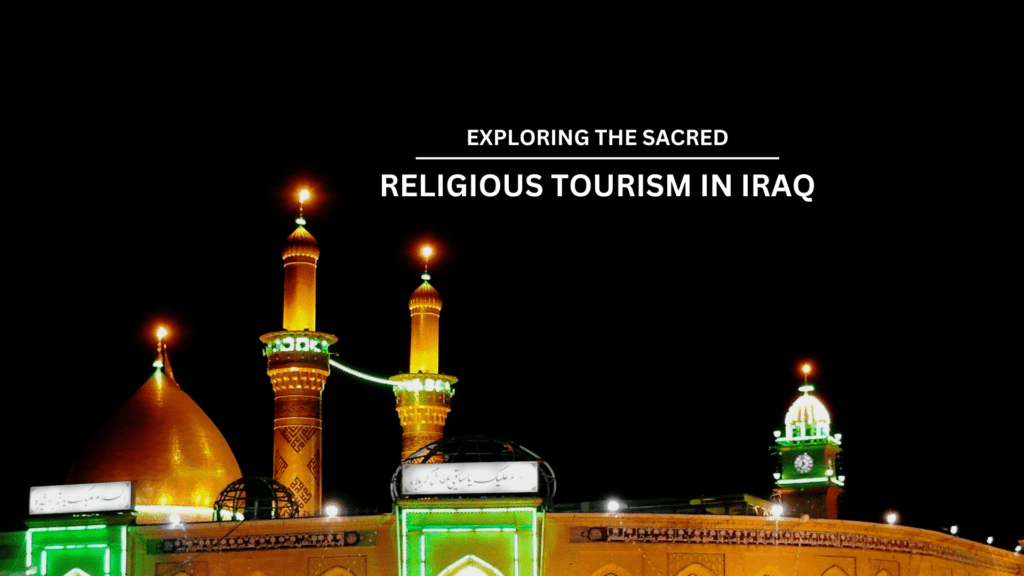
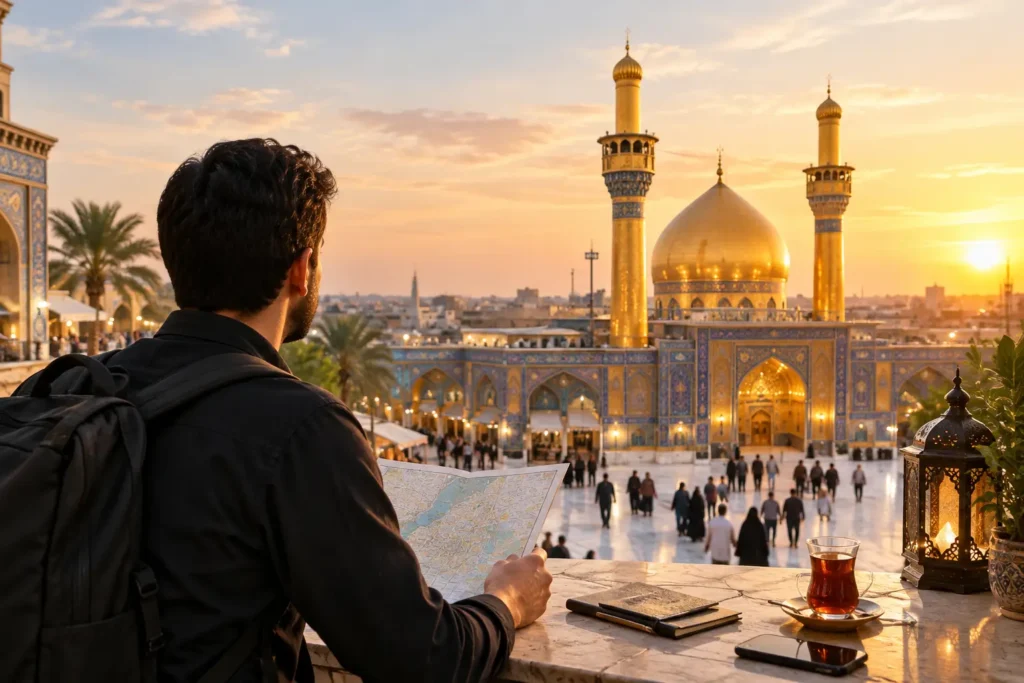
Najaf is not a destination to rush through. For millions of visitors, a ziyarat here is a moment of prayer, remembrance and connection at the shrine of Imam Ali ibn Abi Talib, one of Islam’s most revered figures. Knowing how to plan Najaf ziyarat well gives you the space to focus on its spiritual purpose while navigating the practical details of travelling in Iraq with confidence.
The city welcomes pilgrims from Iraq, the wider region and around the world throughout the year. Its atmosphere is devotional yet deeply human: families sharing meals, shopkeepers offering directions, and visitors arriving with intentions as personal as they are profound. A thoughtful plan helps you experience that welcome respectfully.
Start with the purpose and pace of your visit
Before booking anything, decide what you want your ziyarat to include. Some travellers come for a focused one or two-night stay centred on the Imam Ali Shrine. Others use Najaf as part of a wider religious journey that includes Kufa, Karbala, Baghdad or visits with family across Iraq.
For a first visit, two full days in Najaf is often a comfortable pace. It gives you time to visit the shrine without pressure, return at a quieter hour, explore the old city surroundings and make a meaningful visit to Wadi al-Salam, one of the world’s most significant cemeteries. Add another day if you wish to visit Kufa, including the Great Mosque of Kufa, at an unhurried pace.
Your timing matters. Major religious occasions bring an extraordinary sense of collective devotion, but also much larger crowds, higher demand for rooms and longer local journeys. Arbaeen in particular transforms the wider Najaf and Karbala region into one of the world’s great pilgrim routes. It can be deeply moving for experienced pilgrims, yet first-time independent visitors may prefer a quieter period unless they are prepared for the scale and communal rhythm of the event.
How to plan Najaf ziyarat: entry and arrival
Check Iraq’s current visa rules for your passport well before you travel. Requirements, eligibility for visa on arrival and e-visa arrangements can change, so confirm details through official Iraqi channels or the Iraqi embassy or consulate serving your country. Do not rely on old social media posts or another traveller’s experience, even if their journey was recent.
Make sure your passport has sufficient validity for travel, and keep printed and digital copies of essential documents, accommodation details and onward travel plans. Travel insurance that covers Iraq is also sensible, provided you read the policy carefully and understand its exclusions.
Najaf International Airport is the most convenient arrival point for many pilgrims, with services varying by season and origin. Others arrive via Baghdad and continue by road. The better choice depends on your flight options, budget and itinerary. Arriving directly in Najaf reduces transfer time; flying into Baghdad can work well if you plan to spend time in the capital before travelling south.
On arrival, arrange a transfer through your hotel, a trusted local contact or a reputable travel provider where possible. This is particularly useful after a late flight or when travelling with older relatives. Within central Najaf, many important sites are close together, but summer heat, luggage and crowd levels can make a pre-arranged car worthwhile.
Choose accommodation for comfort, not just distance
Staying near the Imam Ali Shrine places you at the heart of Najaf’s pilgrimage life. You can walk to the shrine more easily, return to rest between visits and experience the old city as it changes from early morning calm to evening devotion. The trade-off is that streets nearby can be busy, and room availability tightens around major dates.
A hotel slightly farther from the shrine may offer larger rooms, easier vehicle access and a quieter night’s sleep. This can be a better fit for families, travellers with mobility needs or anyone staying several nights. Ask about the practical details before confirming: lift access, breakfast times, air conditioning, reception support and the walking or driving route to the shrine.
For international visitors, accommodation is more than a bed. A reliable host can help arrange airport collection, advise on local transport, explain prayer-time rhythms and offer current, place-specific guidance. Use trusted accommodation information and confirm what is included rather than assuming that services will match those in another country. Stay In Iraq can help travellers begin comparing places to stay as they shape a wider Iraqi itinerary.
Prepare for shrine etiquette with care
The shrine is an active sacred space, not simply a historic monument. Visitors are expected to dress modestly and behave with consideration for worshippers. Women should bring a headscarf and wear loose, modest clothing that covers the arms and legs. Men should wear modest clothing, generally avoiding shorts and sleeveless tops. Comfortable shoes that are easy to remove are useful, as footwear is normally left outside prayer areas.
At busy times, follow the guidance of shrine staff and move patiently with the flow of visitors. There may be separate entrances or spaces for men and women, and access arrangements can vary according to the time, crowd conditions and religious calendar. If you are unsure where to go, ask politely rather than following the nearest group.
Photography rules should be treated carefully. Never photograph people praying, grieving or visiting with their families without permission. Some interior areas may restrict photography entirely. A respectful visit is not measured by how much content you capture.
Non-Muslim visitors should be especially mindful that access and protocols at religious sites may differ. Dress respectfully, ask staff about appropriate areas and approach the visit with genuine courtesy. Najaf’s significance is universal in historical reach, but its spiritual life deserves to be encountered on its own terms.
Build a realistic daily rhythm
Najaf rewards an early start. Mornings are often more comfortable, especially from late spring to early autumn, when daytime temperatures can be intense. Plan your principal outdoor movement early, rest during the hottest part of the day, then return to the shrine or walk nearby after sunset.
Keep your programme light. A ziyarat can involve queues, security checks, emotional moments and unexpected invitations to sit for tea or conversation. Leaving room in the day is not poor planning. It is how you remain present.
Carry drinking water, a power bank, tissues, basic medicines and some Iraqi dinar in small denominations. Cards may be accepted at some hotels and larger businesses, but cash remains useful for taxis, small purchases and tips. Notify your bank before travelling if needed, and avoid carrying all your money in one place.
If you need an interpreter, a wheelchair, a female guide or help travelling with elderly family members, arrange it in advance. These requests are entirely reasonable, but they are easier to accommodate when your hotel or local provider knows before you arrive.
Move around Najaf calmly and safely
For short journeys, use hotel-arranged taxis or agree the fare before setting off with a local driver. If language is a concern, keep your hotel name and destination written in Arabic as well as English. Download offline maps before arrival, but remember that local advice is often more useful around pedestrianised streets, temporary road arrangements and busy religious dates.
As with any international trip, remain aware of your surroundings, keep valuables discreet and follow local guidance. Check the latest official travel advice issued for your nationality before departure, especially if your route includes multiple Iraqi cities. Conditions and practical arrangements can change, so flexibility is part of travelling well.
Make room for the human side of Najaf
A well-planned ziyarat should not feel over-managed. Najaf is a place where faith, learning and hospitality meet in everyday encounters. Accepting tea, exchanging greetings and listening to local stories can become as memorable as the itinerary itself, provided you remain sensitive to people’s time and privacy.
Learn a few Arabic phrases, even if your pronunciation is imperfect. A warm salaam, shukran for thank you, and a patient smile travel far. If you are visiting relatives or travelling as part of a group, agree meeting points and quiet time in advance. The city can be crowded, and a little organisation keeps the journey peaceful.
Come to Najaf with practical preparation, modest expectations of convenience and an open heart. When the logistics are settled, you can give the ziyarat what it deserves: your attention, your respect and time to be fully present.