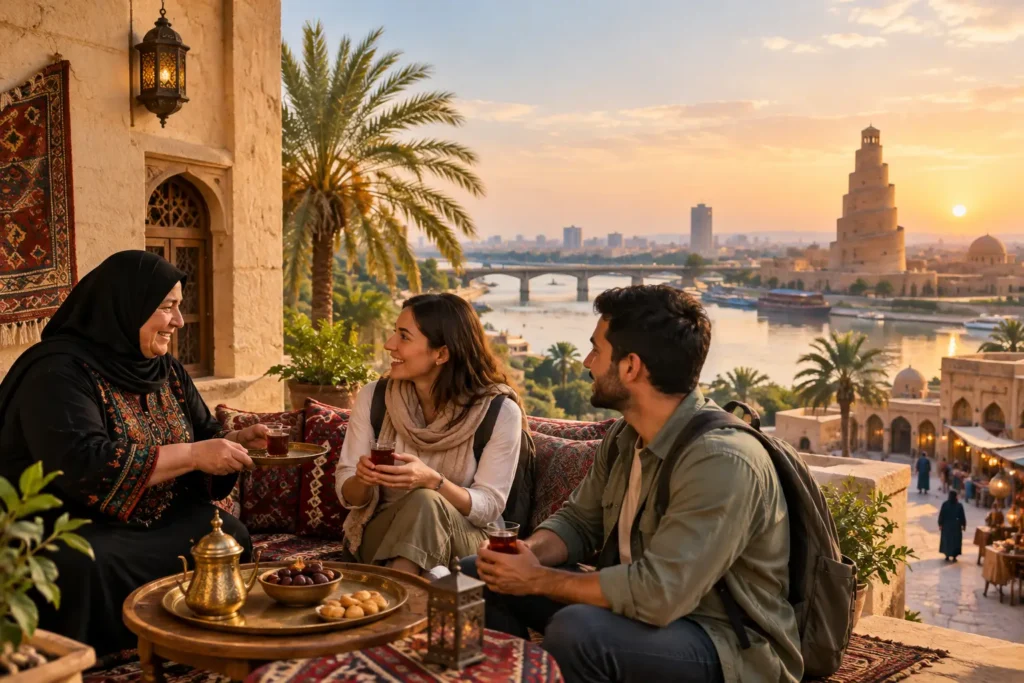
A cup of cardamom tea offered soon after you arrive, a family recipe prepared for dinner, and advice on the best time to visit a nearby shrine can reveal more about a place than a hotel lobby ever could. Iraq homestays give travellers an opportunity to experience the country through its strongest and most enduring tradition: hospitality.
For visitors drawn to Iraq’s ancient cities, sacred sites, markets and living cultural heritage, staying in a local home can add a deeply human dimension to the journey. It is not simply a cheaper alternative to a hotel, nor is it right for every itinerary. A well-chosen homestay is a chance to share everyday rhythms respectfully, learn directly from local people and see familiar destinations from a different perspective.
What an Iraq homestay can offer
A homestay usually means staying in a private home, guesthouse or family-run property where the host is present or closely involved in the guest experience. The arrangement varies. You may have a private bedroom and bathroom, or a simpler room in a household where some spaces are shared. In some cases, hosts may offer meals, local transport advice or a guided introduction to the neighbourhood.
The value is often found in the small moments. Breakfast might include fresh bread, cheese, dates, eggs and strong Iraqi tea. A conversation can lead to recommendations that are unlikely to appear in a conventional guidebook: a quiet bookshop in Baghdad, a favourite place for masgouf, a family bakery in Najaf, or the best time to walk through Erbil’s historic bazaar.
For diaspora travellers, a homestay can be especially meaningful. It may offer a gentle way to reconnect with language, food and family customs, even when travelling independently. For international visitors, it can replace abstract ideas about Iraq with real names, welcomes and conversations.
That personal connection is precisely why expectations matter. A homestay is not a standardised hotel product. Room sizes, amenities, English-language ability, meal arrangements and privacy can differ considerably. Travellers who arrive with curiosity and flexibility tend to get the most from the experience.
Where Iraq homestays suit a trip best
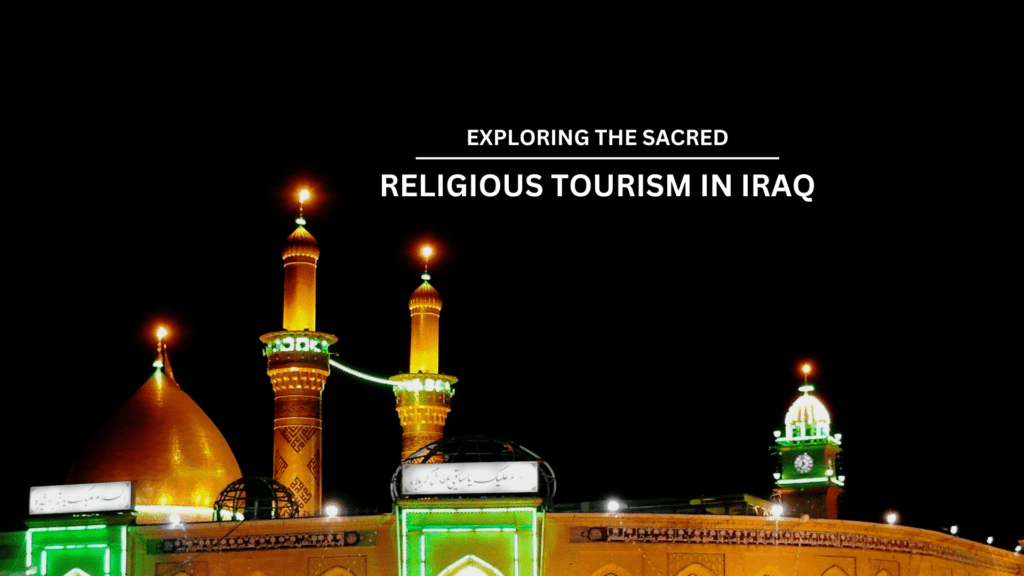
Homestays can work particularly well when a destination rewards time and local insight. In Baghdad, a host may help make a large, layered capital feel more navigable, from choosing reliable transport to understanding the pace of different districts. In the holy cities of Najaf and Karbala, family-run accommodation can suit visitors who want a respectful base close to religious and cultural landmarks, especially during busy pilgrimage periods.
In Iraqi Kurdistan, homestays and small guesthouses may offer an intimate route into village life, mountain landscapes and regional food traditions. Erbil provides urban convenience alongside a rich historic setting, while smaller communities can be better suited to travellers with a clear plan, local contacts or a trusted host who can advise on transport.
Southern Iraq offers another compelling setting. Basra, the marshes and communities surrounding them invite a slower kind of travel, where local knowledge is essential to understanding the landscape and daily life. Here, a host can help arrange realistic timings and set expectations around comfort, weather and connectivity.
The best location depends on your itinerary. If you are moving quickly between cities, arriving late or need predictable facilities for work, a hotel may be the more practical choice. Consider combining both: use a reliable hotel for arrival nights and transit stops, then choose a homestay for one or two nights where you have time to settle in.
How to choose a homestay with confidence
Because Iraq’s accommodation market is still developing digitally, clear communication before booking matters more than it might in destinations with thousands of standardised reviews. Look for listings with current photographs, a precise location or neighbourhood description, clear sleeping arrangements and an honest outline of what is included.
Ask direct but courteous questions before confirming. Is the room private? Is there a private bathroom, or is it shared? Are meals included, available on request or not offered? Is heating or air conditioning available for the season? Can the host assist with an arrival transfer or directions from the airport, bus station or city centre?
It is also wise to confirm the practical details that can shape a stay: check-in time, payment method, mobile coverage, Wi-Fi reliability and whether the property is suitable for solo travellers, couples or families. If you have accessibility needs, dietary requirements or need a women-only or family-oriented environment, explain this early and respectfully rather than assuming.
Independent reviews can be useful, but context matters. New hosts may have few reviews despite offering sincere, attentive hospitality. Equally, a polished listing should never replace basic checks. Prioritise transparent communication, verified identity where available and an accommodation provider that answers practical questions clearly.
Platforms such as Stay In Iraq are helping make accommodation discovery more straightforward by bringing local properties and travel information into one place. Even so, travellers should always read the latest listing details and confirm arrangements directly before arrival.
Staying respectfully in an Iraqi home
Iraqi hospitality is generous, but respect is reciprocal. A homestay means entering someone’s home and, in many cases, their family routine. The most thoughtful guests observe first, ask when unsure and avoid treating local customs as a performance for visitors.
Dress modestly, particularly in family homes and more conservative areas. What feels appropriate varies by city, season and household, but loose, respectful clothing is a sensible starting point. Remove shoes if your host does so or if asked, and ask before taking photographs of people, private spaces or meals. This is especially important around religious sites and during family gatherings.
Conversation is often one of the great pleasures of a homestay. Iraqis may ask personal questions about your family, work or marital status as a sign of warmth rather than intrusion. Share only what feels comfortable, while receiving curiosity in the same generous spirit. Learning a few Arabic or Kurdish greetings can go a long way, though many hosts will be patient with visitors who do not speak either language.
Meals deserve their own etiquette. Accepting a little food or tea is often appreciated, but you do not need to overeat to be polite. If you have dietary needs, say so in advance. A small gift from your home country, good-quality sweets or something for children can be a kind gesture, though it should never feel like an obligation or payment for hospitality.
Plan for comfort, not perfection
The appeal of a homestay is authenticity, but authenticity should not mean overlooking your own needs. Iraq’s climate can be demanding, with very hot summers and colder conditions in some northern and mountain areas. Ask about seasonal heating, cooling, hot water and electricity arrangements before you book.
Transport deserves equal attention. A welcoming home outside a city centre may be ideal for a longer stay but inconvenient if you depend on taxis, have an early departure or want to visit multiple sites in a day. Agree on the exact meeting point and save your host’s phone number, address and directions offline. Local addresses can be described by landmarks, so having a screenshot and a local contact can make arrival easier.
Travellers should also keep plans flexible around major religious occasions, public holidays and seasonal demand. These periods can be exceptionally rewarding for those visiting with the right purpose and preparation, but rooms and transport may be busier than usual. Book early, confirm details close to arrival and choose accommodation that suits the rhythm of your visit.
A more connected way to see Iraq
A good homestay does not turn a traveller into a local overnight, and it should not promise an edited version of ordinary life. What it can offer is something more valuable: a respectful introduction to the people whose cities, kitchens, stories and traditions give Iraq its character.
Choose a host whose setting and standards match your needs, allow enough time for real conversation, and arrive ready to be both a guest and a considerate listener. The memories may be as simple as breakfast shared at a family table, but they can stay with you long after the journey ends.