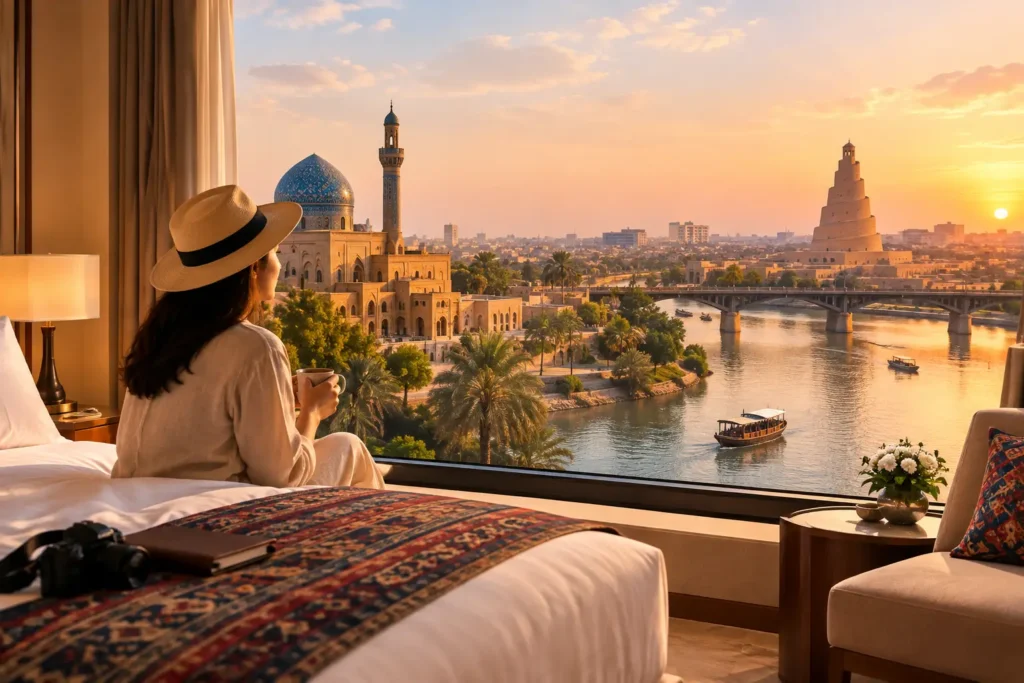
A hotel in Iraq is often more than a room between sightseeing stops. It may be where a receptionist helps arrange a trusted driver, where breakfast introduces you to fresh bread and local tea, or where a fellow guest shares the best time to visit an old market. For travellers planning a meaningful visit, Iraq hotels are an essential part of turning curiosity about the country into a comfortable, well-organised journey.
Accommodation has expanded alongside Iraq’s growing appeal to heritage travellers, pilgrims, diaspora families and independent visitors. The right choice depends less on finding one universally ‘best’ hotel and more on matching your stay to the rhythm of your trip: proximity to sacred sites, ease of road travel, a quiet base for meetings, or a familiar level of comfort after long days exploring.
Iraq hotels: choose location before luxury
Iraq is a large country, and travel times between cities can be longer than a map suggests. Choosing a hotel close to the purpose of your visit can save considerable time and make each day feel more relaxed. In Baghdad, a central location can be useful for museums, cafés, business appointments and the city’s layered cultural life. In Najaf and Karbala, staying within practical reach of the shrines is often the priority, especially during busy religious periods.
In Erbil, many international visitors prefer areas with straightforward access to the airport, business districts and the Citadel. Basra rewards travellers who want a base for the city’s waterways, food culture and southern atmosphere, while Mosul suits visitors whose itinerary centres on heritage, architecture and the wider Nineveh region.
A higher room rate may be worthwhile when it reduces daily transport arrangements, particularly for a short stay. Conversely, travellers spending several nights in one city may prefer a quieter property a little further from the busiest areas. There is no single right answer: the best location depends on your itinerary, arrival time and confidence in arranging local transport.
What to expect from accommodation in Iraq
The hotel landscape is varied. Larger city hotels may offer reception support around the clock, restaurants, meeting spaces, airport transfers and rooms designed for business and international guests. Smaller independent properties can feel more personal, with staff who know their neighbourhood well and are happy to help guests navigate practical details.
Standards can vary between properties and cities, so it is wise to check the current room photographs, guest feedback and the facilities that matter to you before confirming. If reliable Wi-Fi, a lift, English-speaking staff, a gym, laundry service or a particular room arrangement is essential, ask in advance rather than assume it will be available. This is especially helpful for families, older travellers and those arriving late at night.
Hospitality is one of Iraq’s defining strengths. A warm welcome, generous tea and sincere interest in where you have travelled from are common parts of the guest experience. Receiving that warmth with patience and respect goes a long way. A few Arabic phrases are appreciated, but not required; in Kurdish-speaking areas, learning a simple Kurdish greeting can be a thoughtful gesture too.
Comfort means different things on different journeys
For a heritage-focused itinerary, comfort may mean a dependable hotel with a good breakfast and easy collection point for a guide. For a pilgrimage, it may mean a room near the shrine, flexible timings and space to rest between visits. For diaspora travellers, it may mean staying near relatives while having the privacy and services of a hotel.
International-style facilities can be valuable, particularly after a long flight, but they are not the only measure of a rewarding stay. A well-run local hotel with attentive staff and a useful location can be the better choice when it connects you more naturally with the city around you.
Where to stay for different kinds of travel
Baghdad for culture, business and everyday life
Baghdad is a city best approached with time. Travellers may come for its museums, book culture, riverside views, historic quarters and contemporary energy. Choose accommodation according to the balance you want between central access and a calmer environment. If you have meetings or a packed cultural programme, ask about transport support and the time needed to reach your planned locations at different points of the day.
Many visitors find that a hotel with an experienced front desk is particularly useful in Baghdad. Local recommendations can help shape a more human itinerary, from a breakfast spot to a reliable car service, while keeping plans practical.
Najaf and Karbala for religious visits
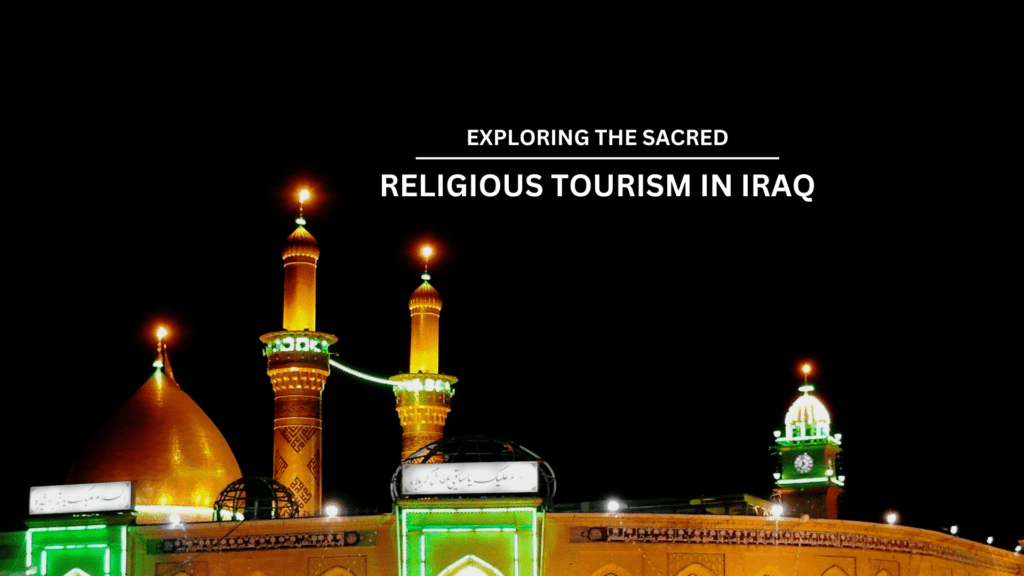
Najaf and Karbala welcome visitors from across the world throughout the year. Here, hotel selection is closely connected to the purpose and timing of the visit. Staying near the holy shrines can make early visits and prayer times easier, but it may also mean busier streets and higher demand during major religious occasions.
Book as far ahead as possible for peak pilgrimage dates. Confirm the walking distance to the shrine area, whether vehicle access is restricted at certain times, and what assistance is available with luggage. Visitors should dress modestly, be considerate in shared spaces and remember that these are living places of worship, not simply historic landmarks.
Erbil for a convenient northern base
Erbil offers a practical introduction to Iraq for many travellers, combining modern hotels and dining with deep history centred on the Citadel. It can work well as a base for short city stays, work trips and onward travel in the Kurdistan Region.
When comparing hotels, consider whether you want to be close to the airport, near commercial districts or within easy reach of the Citadel and local restaurants. A property with clear transfer arrangements can be especially welcome for late arrivals.
Basra and the south for a slower itinerary
Basra has a distinctive character shaped by the Shatt al-Arab, trade, dates and a celebrated food culture. Visitors exploring southern Iraq may use the city as a base before continuing towards nearby cultural and natural sites. Prioritise a hotel that can assist with local drivers and early departures, as southern itineraries are often best planned with flexibility.
How to book with confidence
Accommodation information in Iraq is becoming easier to find, but availability can change quickly. The most dependable approach is to confirm the details that directly affect your stay before you travel. A clear written confirmation should include the dates, room type, number of guests, breakfast arrangements, total price, payment expectations and cancellation terms.
It is also sensible to ask whether the hotel can arrange an airport collection, particularly if you are arriving for the first time. Share your flight details only with the property or a travel provider you have verified, and keep the hotel’s contact details available offline. International payment options differ, so confirm whether a card, cash or a combination will be needed.
For longer journeys across several cities, avoid making every booking non-refundable unless your route is fixed. Road travel, family invitations and the simple wish to stay longer in a place you have come to enjoy can all change a well-made plan. A little flexibility is often more valuable than the lowest advertised rate.
Small details that improve your stay
A respectful, well-prepared guest will find Iraq easier to experience. Carry a copy of your booking details, keep modest clothing available for religious sites, and let your hotel know if you have accessibility needs or dietary requirements. During warmer months, air conditioning and reliable water provision may matter more than decorative extras, while winter visitors may wish to check heating arrangements.
If you are travelling during a major religious event, a national holiday or a busy family season, expect accommodation and transport to feel more active. That atmosphere can be a memorable part of the journey, provided you have planned ahead and allowed extra time.
Stay In Iraq helps travellers look beyond generic hotel categories and consider what will genuinely support their visit: a welcoming base, a practical location and local knowledge when it matters. The most memorable stays are often those where comfort and connection meet, leaving you ready to step outside each morning and meet Iraq on its own terms.