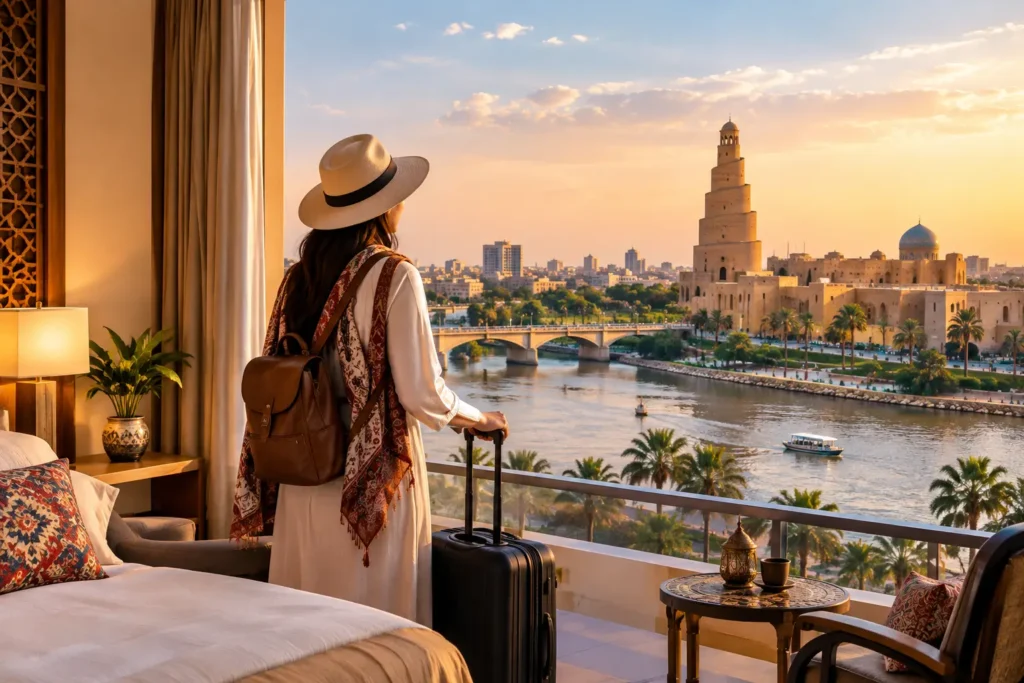
A good stay in Iraq does more than provide a bed for the night. It can put you within walking distance of a revered shrine, make an early visit to an ancient site possible, or introduce you to the kind of generous local welcome travellers remember long after they return home. This Iraqi accommodation guide is designed to help you choose with confidence, whether your journey is shaped by heritage, pilgrimage, family connections or simple curiosity.
Iraq’s accommodation landscape is varied and developing. In major cities, travellers can find established international-style hotels alongside independently run properties with a more local character. In pilgrimage cities, the best location may be more valuable than extra space or extensive facilities. Elsewhere, advance planning matters because choice can be more limited. The right decision depends less on finding one universally “best” hotel and more on matching your stay to the rhythm and purpose of your trip.
What accommodation in Iraq looks like
Expect the broadest range of accommodation in Baghdad, Erbil, Najaf, Karbala and Basra. These cities serve business travellers, visiting families, pilgrims and international guests, so standards and prices vary considerably. You may find full-service hotels with restaurants, reception desks operating around the clock and airport transfers, as well as simpler guesthouses and family-oriented stays.
Outside the largest urban centres, accommodation is often more straightforward. A smaller hotel may offer a clean, practical room and attentive staff rather than a long list of amenities. This is not necessarily a compromise. For travellers visiting places such as Babylon, Mosul, Samarra or the marshlands, a well-planned base and reliable local transport can matter far more than a rooftop pool.
Photos and room descriptions are useful, but ask practical questions before confirming a stay. Check the exact address, whether breakfast is included, the room configuration, air conditioning or heating for the season, Wi-Fi expectations and how payment will be handled. Facilities can differ between rooms in the same property, particularly in independently managed hotels.
Iraqi accommodation guide by travel style
For heritage and first-time visitors
Baghdad is often the most practical first base for travellers interested in Iraq’s cultural and historical story. Choose a hotel that makes day-to-day movement manageable, rather than focusing only on its distance from one landmark. The city is expansive, and journey times can change with traffic. A property with helpful reception staff, clear transport support and a comfortable communal area can make a real difference after a full day of museums, markets and historic neighbourhoods.
Erbil suits travellers seeking a well-connected northern base, with the Citadel, bazaar life and a growing choice of modern hotels close at hand. It can also work well for those who prefer familiar hotel facilities while experiencing Iraqi Kurdish hospitality and culture. For a quieter pace, consider whether a stay near the centre or one closer to your onward route will serve your itinerary better.
If Babylon or the wider central-southern heritage trail is a priority, do not assume that staying nearest the archaeological site is always the easiest option. A larger nearby city may offer more dependable accommodation and dining options. Build your route around realistic travel times, especially if you are arranging a guide or driver for early starts.
For pilgrims and religious visitors
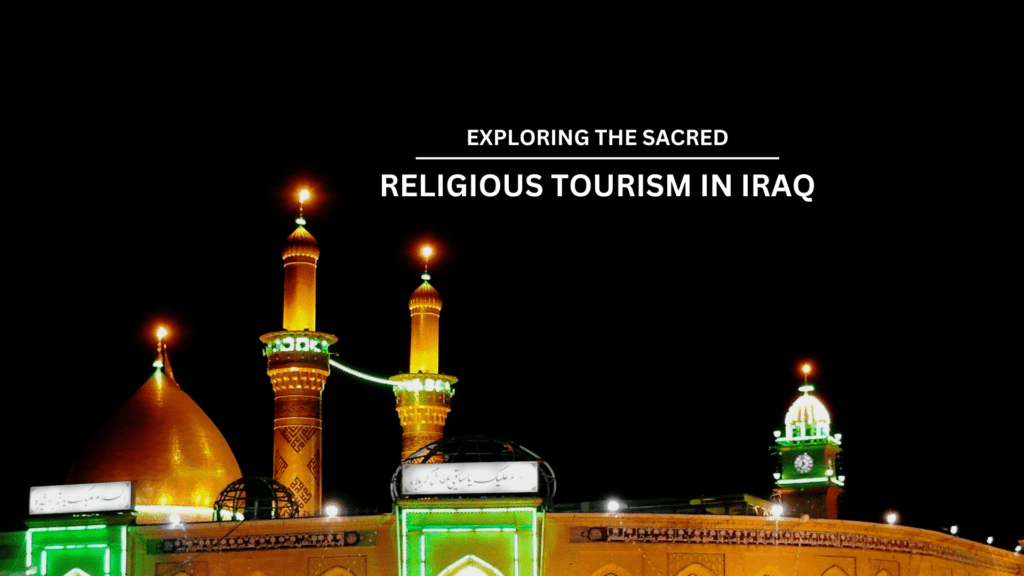
In Najaf and Karbala, location is central to the experience. Staying close to the holy shrines can make prayer times, walking routes and moments of reflection much easier to organise. It also means that streets, entrances and accommodation demand may be especially busy during major religious occasions.
Book early if your visit coincides with Arbaeen, Ashura, Ramadan, Nowruz or other significant dates. During peak periods, prices, room availability and road access can change quickly. Some travellers value a room close to the shrines above all else; others prefer a slightly more distant hotel with easier vehicle access and a calmer environment. Neither choice is inherently better, but it is worth deciding before you arrive.
Dress and conduct respectfully in shared hotel spaces, particularly in religious cities. Staff are usually accustomed to welcoming visitors from many backgrounds, and considerate communication goes a long way. If you have specific requirements, such as a family room, accessibility support or a late arrival, raise them while booking rather than assuming they can be arranged on the day.
For diaspora visits and family travel
For Iraqis returning with relatives or children, a hotel is often a practical base between family visits, rather than the centre of the trip. Connecting rooms, generous breakfast times, lift access and dependable laundry services may matter more than a city-centre view. Ask about room occupancy rules in advance, as policies for children and additional guests can differ.
A short-term home rental can be appealing for longer stays, particularly where families want kitchen space and room to gather. Yet hotels may be easier when plans are fluid, when you are moving between cities, or when you prefer a staffed reception. Choose the option that reduces pressure on your hosts and keeps the visit enjoyable for everyone.
How to choose a stay with confidence
The most useful accommodation research begins with your daily plan. Mark the places you expect to visit, then consider the time of day you will return to your hotel. A central location may be ideal for a short break in Baghdad, while a property near the airport or a main road may be more sensible for an early domestic flight or a long onward transfer.
Read recent guest feedback for details rather than chasing a perfect score. Comments about cleanliness, staff helpfulness, hot water, room quietness and arrival procedures often reveal more than broad praise. Look for patterns across several reviews. One guest’s complaint may reflect a one-off inconvenience; repeated reports about the same issue deserve attention.
Direct communication is especially valuable. Confirm your arrival time, particularly if it is late at night, and keep the property’s phone number available. Ask whether they can arrange a pickup, recommend a trusted taxi, or assist with directions in Arabic or Kurdish where relevant. In Iraq, practical hospitality often begins before you have checked in.
Keep a flexible mindset around payments. Card acceptance is increasing at many larger hotels, but cash remains useful and procedures can vary. Confirm the currency accepted, whether taxes or service charges are included, and whether a deposit is required. Carry your booking details and passport information in an accessible form, as hotels may need them for registration.
Comfort is not only about star ratings
International travellers sometimes judge accommodation through a narrow checklist: brand name, large lobby, identical room design. Those things can be reassuring, but they do not always create the most meaningful stay. In Iraq, a smaller property with an attentive manager may offer more local knowledge, quicker help with transport and a warmer sense of place than a larger hotel.
At the same time, preferences are personal. If consistent facilities, English-speaking staff or formal business services will help you travel more comfortably, choose them without hesitation. The aim is not to travel in the most rustic way possible. It is to create the conditions for you to be present, respectful and genuinely open to the country around you.
For longer journeys across several regions, balance is often best: book a dependable hotel for your first nights, then adjust once you understand local distances and routines. This approach gives first-time visitors a soft landing while leaving room for discovery.
A few details that make arrival easier
Save the hotel name and address in both English and, where possible, Arabic or Kurdish script. Confirm airport or station transfers before travelling, and tell the property if your plans change. Bring an adaptor suitable for local sockets, keep essential medicines in your hand luggage and retain a small amount of local cash for immediate needs.
Most importantly, allow time for conversation. A receptionist’s recommendation for a nearby restaurant, a porter’s advice on the best time to leave, or a host’s explanation of a neighbourhood can become part of the journey itself. Stay In Iraq is built on the belief that accommodation should help visitors feel not simply housed, but welcomed.
Choose a place that supports the trip you came to make, then leave enough space in your plans for the hospitality that cannot be captured in a booking description.