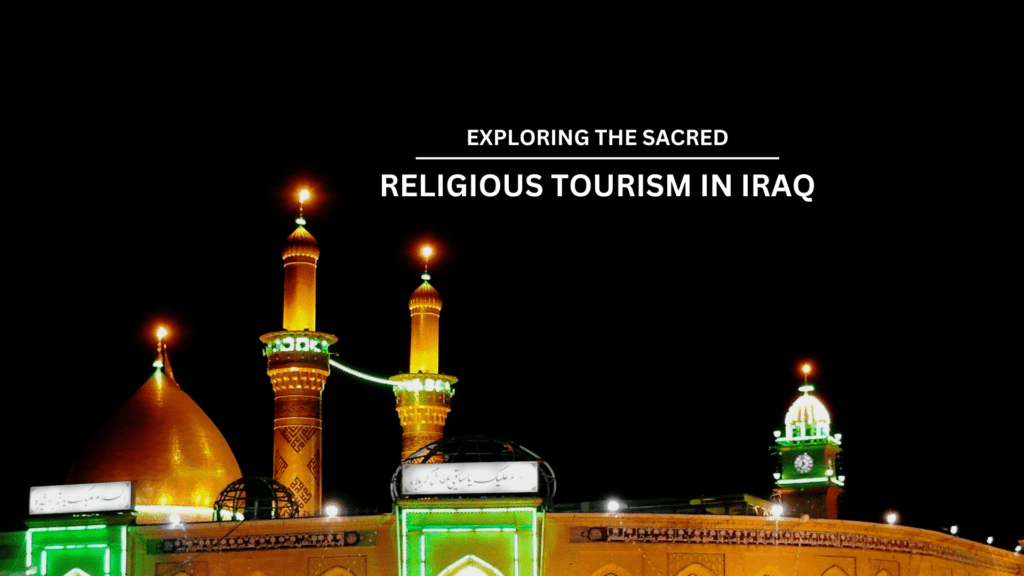
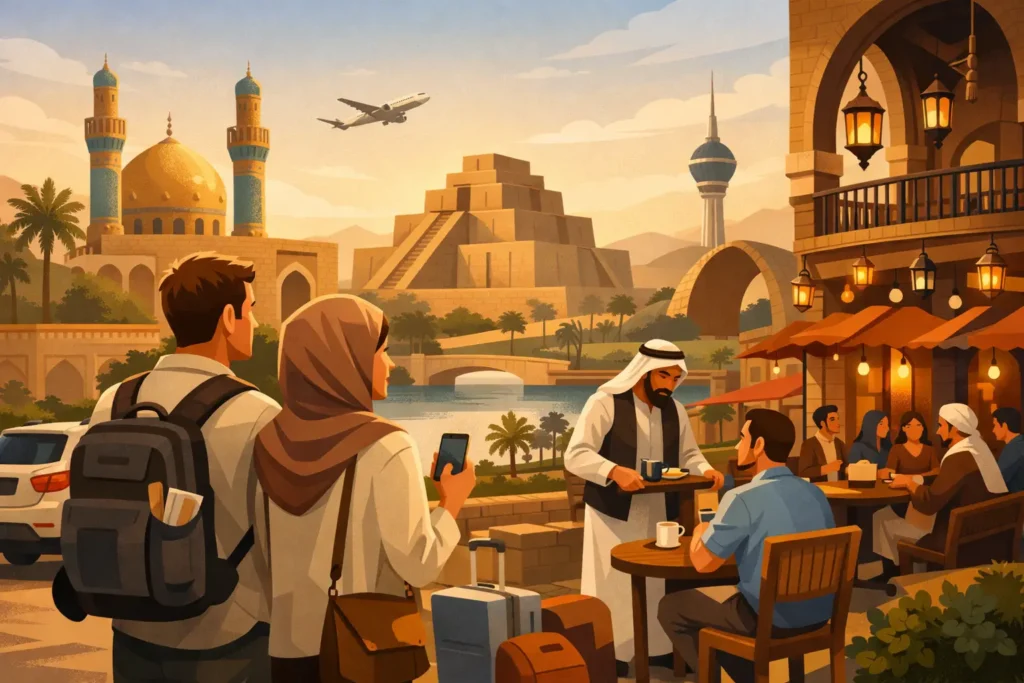
Baghdad at sunrise, the shrines of Najaf and Karbala filled with pilgrims, the marshes turning gold in late afternoon, the ruins of ancient cities standing quietly in the heat – Iraq leaves a strong impression long before you arrive. The most useful Iraq travel tips are not about chasing a perfect itinerary. They are about arriving prepared, moving respectfully, and giving yourself enough flexibility to experience the country as it really is – welcoming, layered and deeply memorable.
For many first-time visitors, the biggest challenge is not desire but uncertainty. Iraq attracts travellers for its history, spirituality, architecture and human warmth, yet practical information can feel scattered. Once you understand the basics of entry, local movement, customs and timing, planning becomes far more straightforward.
Iraq travel tips before you book
The first decision is where in Iraq you want to go and why. A religious journey to Najaf, Karbala, Kadhimayn or Samarra requires different planning from a heritage-focused trip through Baghdad, Babylon, Ur and Mosul, or a slower cultural visit centred on food, markets and local life. Iraq rewards focus. Trying to do too much in one trip can leave you rushing between places that deserve time.
Check entry requirements directly with the relevant official sources before booking flights. Visa policies can change, and they may differ depending on your nationality, point of entry and whether you are travelling to federal Iraq, the Kurdistan Region, or both. If you are combining regions, verify the latest rules carefully rather than relying on older forum posts or second-hand advice.
It is also wise to build your trip around confirmed accommodation and realistic transfer times. Distances can look manageable on a map, but actual travel time depends on routes, checkpoints, traffic and time of day. A plan that appears efficient on paper may feel rushed in practice.
When to visit Iraq
Autumn and spring are usually the easiest seasons for general sightseeing. Temperatures are more comfortable, walking through historic sites is more enjoyable, and intercity travel tends to feel less demanding. Summer can be intense, especially in the south and centre, and that changes how much you can comfortably do in a day.
Winter can be pleasant for some cities, though conditions vary by region. If your trip has a religious purpose, major pilgrimage periods can be especially meaningful, but they also bring larger crowds, higher demand for rooms and slower transport. That is not a reason to avoid them. It simply means planning earlier and allowing more time.
Money, mobile data and everyday basics
Cash remains important in Iraq. In larger hotels, some restaurants and selected businesses, card payment may be possible, but you should not assume it will be available everywhere. Keep enough local currency for daily spending, transport, snacks and smaller purchases.
One of the most practical Iraq travel tips is to sort your connectivity quickly after arrival. A local SIM card or reliable data solution makes a genuine difference, especially for maps, hotel contact, translations and coordinating transport. Even if you prefer travelling spontaneously, mobile data gives you confidence and saves time.
Carry small essentials with you rather than packing everything into one day bag. Tissues, water, power bank, hand sanitiser and photocopies or digital backups of your key documents are all useful. Iraq is hospitable, but comfort often comes from being prepared for long journeys, changing weather or a busy day on foot.
Getting around without unnecessary stress
Transport in Iraq works best when you keep expectations realistic. In some cities, private drivers or arranged transfers are the smoothest option, especially if it is your first visit, you are travelling with family, or you are arriving late. For independent travellers, taxis are common, but agreeing the fare clearly beforehand can avoid confusion.
Intercity travel requires more patience than in destinations built around tourism infrastructure. That does not make it difficult by default – it simply means you should avoid overpacked schedules. If you are moving between major cities, leave room for delays and avoid planning a tight chain of transfers on the same day as a flight.
If you do speak some Arabic, even basic phrases are appreciated. If you do not, politeness and clarity go a long way. Hotel staff, guides and drivers can often help bridge communication gaps, and many travellers find that human warmth in Iraq makes practical challenges easier to manage.
Dress, customs and respectful behaviour
Iraq is culturally rich and socially conservative in many settings, so dressing modestly is the sensible default. For men, that usually means avoiding very revealing clothing. For women, loose and respectful dress is advisable, especially at religious sites. In shrine cities and sacred spaces, more conservative clothing is expected, and women may need a headscarf.
Respectful behaviour matters just as much as dress. Ask before photographing people, especially in religious areas, markets or family settings. Some places welcome photography, while others call for more discretion. It depends on context, and reading the room matters.
Hospitality is one of the most memorable parts of travelling in Iraq. You may be offered tea, conversation or help from people with no agenda beyond kindness. Accept that generosity warmly, but with cultural awareness. A respectful manner, patience and a little humility will take you far.
Safety and confidence on the ground
Most travellers asking practical questions about Iraq are really asking how to move through the country sensibly. The answer is preparation, local awareness and good judgement. Stay informed through current official travel advice for your nationality, and follow local guidance once you are in the country.
Choose accommodation in well-known areas, arrange late-night arrivals carefully and avoid unnecessary improvisation on your first day. If you are unsure about a neighbourhood, a route or a local arrangement, ask your hotel or host. Confidence in Iraq does not come from pretending there are no complexities. It comes from understanding the environment and responding to it calmly.
A balanced mindset helps. Iraq is not a destination where you should arrive careless or uninformed, but it is also not one that should be reduced to outdated assumptions. Travellers who plan carefully often find the experience far more accessible and welcoming than they expected.
Food, water and pace
Food is part of the journey in Iraq. From masgouf in Baghdad to rich rice dishes, kebabs, dates, bread and endless tea, meals often become cultural encounters as much as practical stops. Eat where places are busy and well regarded, and ease yourself in if you are not used to rich or heavily spiced food.
Drink bottled or otherwise trusted water, especially if you are newly arrived and adjusting to the climate. Heat, walking and long drives can dehydrate you quickly. Pace yourself in the first couple of days, particularly if you are visiting in warmer months or combining multiple cities.
Where first-time visitors often misjudge the trip
One common mistake is treating Iraq like a checklist destination. It is better experienced in depth than in haste. A few places with enough time for conversation, reflection and unplanned stops will usually give you more than a rushed circuit through half the country.
Another is underestimating the emotional weight of certain places. Whether you are visiting for pilgrimage, archaeology, family roots or cultural curiosity, Iraq can feel deeply personal. Give yourself time to absorb what you are seeing rather than moving constantly to the next stop.
A third is overlooking accommodation quality and location. Where you stay shapes the trip more than many first-time travellers expect. A well-placed hotel or trusted host can simplify transport, meals, local recommendations and overall peace of mind. That is one reason platforms such as Stay In Iraq matter – they help turn interest into a trip that feels genuinely manageable.
Iraq travel tips for a more meaningful visit
The best journeys in Iraq are not built only around monuments. Yes, the country offers some of the world’s most important heritage and religious sites. But what many travellers remember most is the ordinary human texture of the trip – tea shared in a shop, a conversation in a courtyard, an invitation to sit, a guide explaining not just history but what a place means today.
Leave room for that. Learn a few greetings. Dress with care. Confirm the practical basics, then stay open to the unexpected kindness that so often defines travel here. Iraq does not ask you to arrive as an expert. It asks you to arrive prepared, curious and respectful – and it tends to give a great deal back.