A first trip to Iraq often begins with a question that is less about desire and more about certainty: can I actually plan this well? The answer, in 2026, is increasingly yes. This guide to travelling in Iraq in 2026 is for visitors who are drawn by history, spirituality, architecture and human connection, but who also want clear, realistic advice before they book.
Iraq rewards curiosity in a way few destinations can. You are not simply visiting monuments or crossing famous places off a list. You are moving through the landscapes of ancient civilisation, through cities shaped by scholarship and faith, and into a culture where hospitality is still one of the strongest parts of daily life. That said, Iraq is not a destination to approach casually. The best trips are the ones planned with respect, patience and good local information.
Why Iraq feels different in 2026
For many travellers, 2026 is a good time to consider Iraq because access, information and tourism confidence continue to improve. More visitors are arriving for religious travel, heritage tourism, photography, family reconnection and independent cultural exploration. That does not mean every part of the country works like a mainstream tourist destination. It means that planning a journey is becoming more achievable, with better accommodation choices, stronger local tourism services and clearer expectations around how to move between key destinations.
The experience of Iraq also differs depending on why you are coming. A pilgrim visiting Najaf and Karbala will prepare differently from a history traveller focused on Baghdad, Babylon, Ur and Mosul. A diaspora visitor reconnecting with family may need flexibility, while a first-time independent traveller may prefer a tighter route with pre-arranged stays and transfers. Iraq can be generous to spontaneous travellers, but it tends to favour those who organise the essentials in advance.
A guide to travelling in Iraq in 2026: what to sort first
Start with entry requirements. Visa rules can change, and they may differ according to nationality, point of arrival and purpose of visit. Before booking flights, confirm the latest official requirements for your passport and whether you need pre-approval, supporting documents or printed confirmations. This matters more in Iraq than in destinations where travellers rely on last-minute flexibility.
Next, think carefully about your route. Iraq is not a place where seeing everything in one trip is the smartest choice. A better approach is to build your journey around one clear theme. You might centre your trip on Baghdad and central Iraq, on holy cities and pilgrimage, or on a north-focused heritage route. When your itinerary has a clear logic, transport, pacing and accommodation become much easier to manage.
It is also worth deciding how independent you want to be. Some travellers are comfortable arranging their own internal transport and adapting as they go. Others will have a better experience with local help, especially on a first visit. There is no single correct style here. It depends on your travel confidence, language comfort and the kind of experience you want.
Choosing where to go
Baghdad remains the emotional and cultural anchor for many journeys. It is a city of memory and momentum, where old streets, book culture, riverside life and historic landmarks sit alongside the rhythm of a modern capital. For many international travellers, Baghdad is where Iraq becomes real – not as an idea from history books, but as a living place full of conversation, craft, faith and resilience.
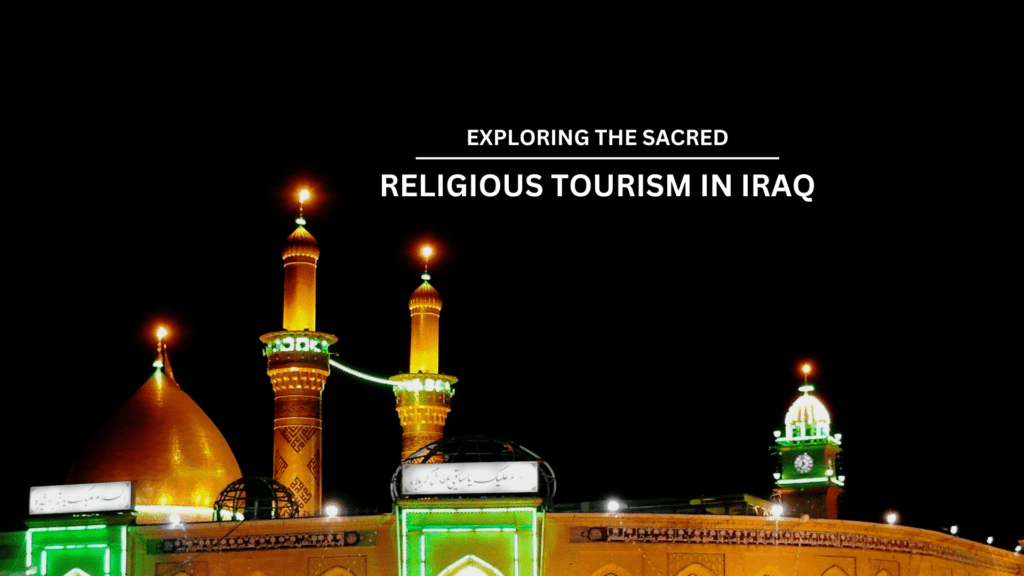
Najaf and Karbala are central for religious visitors and also meaningful for travellers interested in spirituality, sacred architecture and the role of pilgrimage in everyday life. These cities require cultural sensitivity, modest dress and an awareness that many visitors are there for devotion rather than sightseeing. If you arrive with respect, the experience can be deeply moving.
Basra offers a different Iraq altogether. Its waterways, literary associations, Gulf-facing identity and distinct local character make it especially interesting for return visitors or those who want a broader view of the country. In the north, Mosul continues to draw attention from travellers interested in heritage, urban history and the enduring cultural significance of one of Iraq’s great cities.
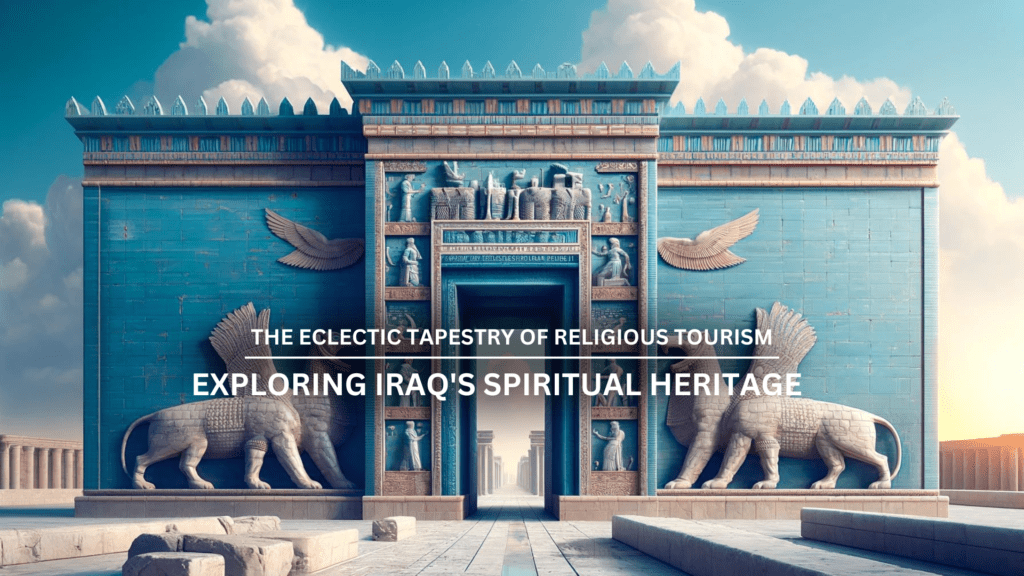
Then there are the archaeological sites. Babylon, Ur, Samarra, Hatra and other historic locations can shape an entire trip. These places are not simply impressive because they are old. They matter because they connect visitors to the long human story that began here. If ancient history is one of your reasons for coming, allow enough time. Rushing through these places misses their weight.
Getting around without making the trip harder than it needs to be
Transport in Iraq is possible, but convenience varies. In some cities, private drivers or pre-arranged transfers are the easiest option, especially if you are arriving for the first time, carrying photography gear or travelling on a tight schedule. They cost more than informal local transport, but they can save considerable time and uncertainty.
For city-to-city travel, planning ahead is useful. Distances can be longer than they appear on a map when road conditions, traffic or checkpoints affect timing. Build margin into your day and avoid overpacking the itinerary. If you are deciding between one-night stops and slower stays, slower usually wins in Iraq. Two or three well-chosen bases often create a better trip than a constant sequence of arrivals and departures.
Within cities, ask your accommodation for the most practical local advice. What works well in one place may not work as smoothly in another. This is one reason travellers increasingly appreciate platforms like Stay In Iraq – not simply for where to sleep, but for reducing the guesswork around how a trip fits together.
Accommodation and what makes a good base
Where you stay will shape how confident and comfortable you feel. In major cities and religious destinations, you will find a growing range of options, from straightforward hotels to more locally rooted stays. The best choice depends on your priorities. Some travellers want location above all else. Others care more about quiet, family-friendly service or help with onward transport.
It is worth checking what is actually included before you book. Airport pickup, breakfast hours, English-speaking support and proximity to the places you plan to visit can make a much bigger difference than star rating alone. In Iraq, a well-located, well-managed property with responsive hosts is often more valuable than one that looks better on paper but leaves you arranging everything yourself.
Culture, dress and everyday etiquette
Travelling well in Iraq is less about memorising rules and more about understanding tone. Modesty and respect matter, particularly in religious cities and conservative settings. For women, loose and modest clothing is a sensible choice, and in sacred places head coverings may be expected. For men, dressing neatly and avoiding overly casual clothing is also wise.
Photography requires judgement. Many people are welcoming, but you should still ask before photographing individuals, particularly in intimate, religious or family settings. In shrines and sacred spaces, follow local guidance carefully. Good travel in Iraq is built on attentiveness. People notice when visitors make an effort, and that effort is often warmly met.
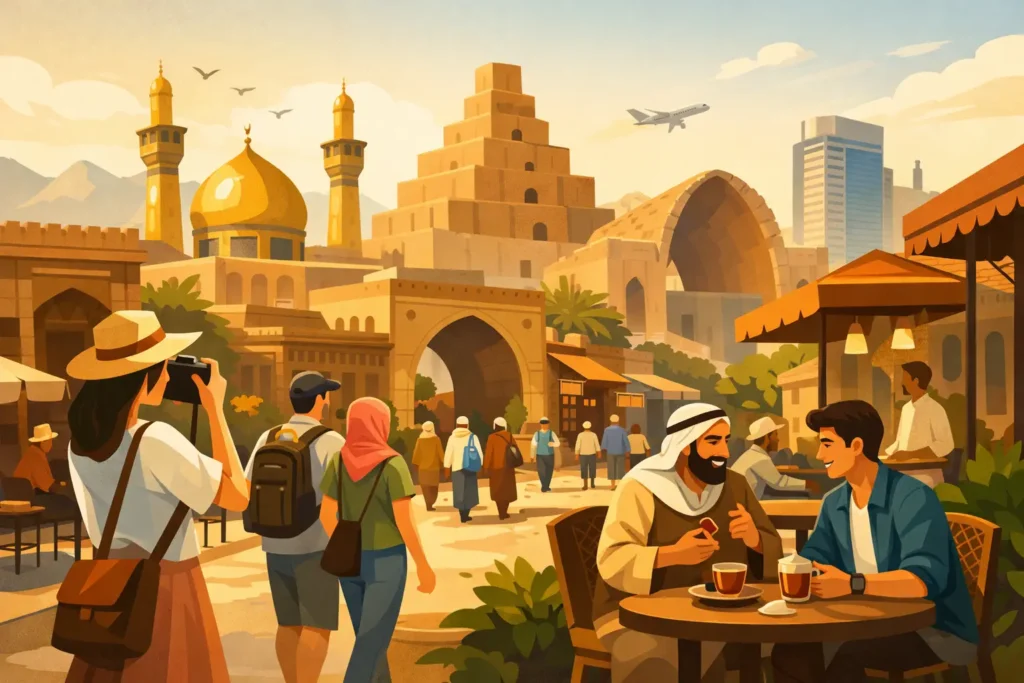
You will also find that conversation comes easily. Iraqis are often generous with time, recommendations and invitations to share tea. Accept that warmth with gratitude, but do not confuse friendliness with informality in every context. Courtesy matters. Learning a few Arabic phrases can help, even if many interactions also happen through gestures, smiles and patient explanation.
Safety, confidence and realistic expectations
Most travellers considering Iraq want reassurance without empty promises. The sensible approach is to stay informed, avoid assumptions and rely on current local advice. Conditions can vary by region, season and event calendar, so broad statements are rarely useful. What matters is whether your specific route is well planned, your accommodation is reliable, and your movements make practical sense.
That means keeping documents organised, sharing your itinerary with someone you trust, using reputable local support where needed and avoiding unnecessary improvisation late at night or in unfamiliar areas. None of this is unique to Iraq, but in Iraq good judgement goes further than a casual travel style.
It also helps to arrive with the right mindset. Iraq is not difficult because it lacks meaning. It asks more from the traveller because it offers more that is real. If you come looking for polished uniformity, you may feel challenged. If you come looking for depth, memory and hospitality, you are far more likely to feel rewarded.
The kind of trip Iraq gives back
Some destinations impress you with ease. Iraq tends to stay with you for a different reason. It lingers in the call to prayer at dusk, in the generosity of strangers, in the scale of civilisations that began here and in the feeling that you have encountered a place still telling its own story rather than performing one for visitors.
Plan carefully, travel respectfully and leave room for the human moments you cannot schedule. That is often where Iraq becomes unforgettable.