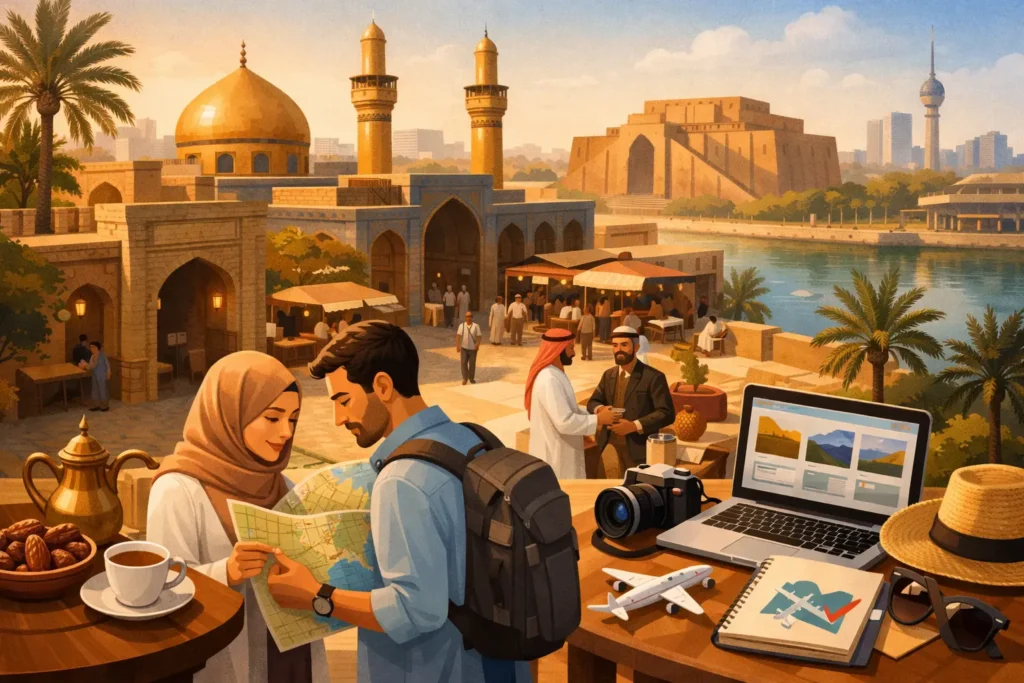
The moment Iraq shifts from idea to actual booking, the same questions usually appear. When should I go? Which cities make sense for a first visit? How do I move around? And what should I know before I arrive? If you are wondering how to plan Iraq trip details without feeling overwhelmed, the key is to treat Iraq not as one single experience, but as a country of distinct journeys – historical, spiritual, urban and deeply human.
Iraq rewards travellers who prepare well. That does not mean overcomplicating the process. It means understanding your purpose, choosing a realistic route, and building in enough flexibility to experience the country properly rather than rushing through it.
Start with the kind of Iraq trip you want
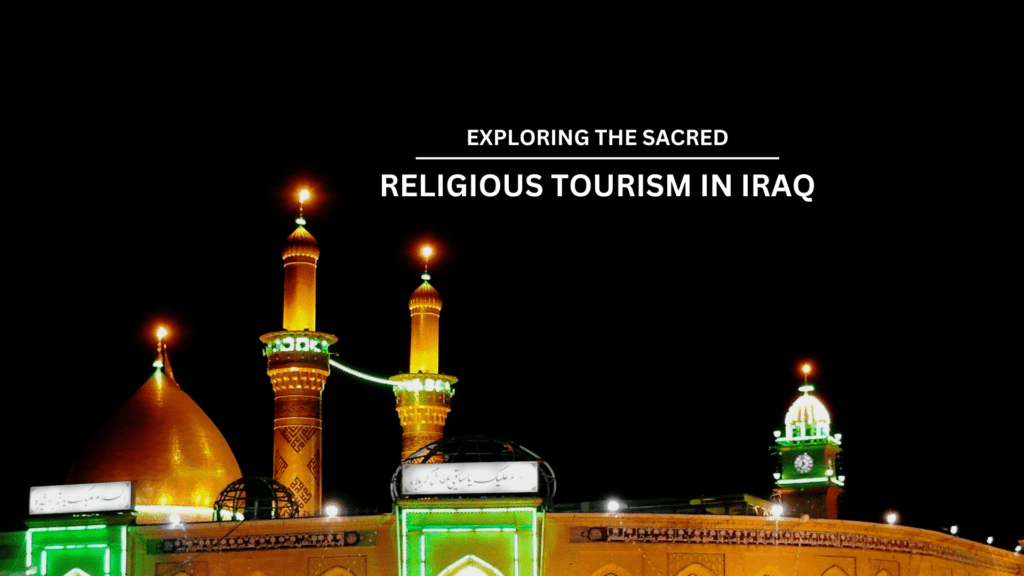
The best way to plan an Iraq trip is to decide early what is drawing you there. For some travellers, it is ancient civilisation – Babylon, Ur, the stories of Mesopotamia, and museums that place Iraq at the centre of human history. For others, it is religious significance, with visits to Najaf, Karbala, Kadhimain or Samarra carrying profound personal meaning. Some come to reconnect with family roots, while others are drawn by photography, architecture, old city streets, riverside life, and the hospitality that shapes everyday encounters.
This matters because your route, pace and even your best season can change depending on your focus. A pilgrimage itinerary has different demands from a heritage trip across Baghdad, Babylon and Basra. A photographer may want extra days in Baghdad or Mosul, while a first-time visitor looking for a balanced introduction may prefer fewer cities and more time in each one.
Choose a realistic itinerary
One of the most common planning mistakes is trying to see too much. Iraq is rich in places that deserve attention, but travel is smoother when your itinerary is selective. For a first visit, a well-planned trip of seven to ten days often works better than attempting a packed cross-country schedule.
Baghdad is the natural starting point for many travellers. It offers history, book markets, museums, shrines, river views and a sense of Iraq’s modern rhythm. From there, many visitors continue south to Babylon, Karbala and Najaf. This route works especially well for travellers interested in heritage and religious tourism because the connections are manageable and each destination adds a different layer to the experience.
If your interests are broader, Basra can add a different character – maritime history, palm-lined landscapes and a distinct southern identity. If you have more time and a clear purpose, you can extend further. But if this is your first visit, restraint usually leads to a stronger trip.
A good first-trip balance
A balanced first itinerary often includes Baghdad for urban culture and history, one or two key southern cities for heritage or pilgrimage, and enough unplanned time for local encounters. Iraq is not a destination best reduced to tick-box sightseeing. Some of the most memorable parts of the journey are conversations, invitations, meals and moments that cannot be scheduled too tightly.
Check visa requirements early
Before booking flights, confirm the latest visa requirements for your nationality through official channels. Rules can change, and the right advice depends on your passport and your point of entry. This is one area where assumptions are unhelpful. What applies to one traveller may not apply to another.
Build your planning around certainty. Make sure your passport validity is sufficient, keep copies of key documents, and allow time for any approvals if required. If you are combining Iraq with regional travel, check whether your route affects your entry plans or scheduling.
Practical preparation creates confidence. It also allows you to focus on the experience itself once you arrive.
Decide when to visit Iraq
Timing has a major effect on comfort. Spring and autumn are generally the most pleasant periods for many travellers, especially if you plan to spend long days outdoors visiting archaeological or religious sites. Summer can be very hot, particularly in central and southern Iraq, which may suit some travellers but can make ambitious sightseeing tiring.
Winter can be a good option for certain itineraries, particularly urban or cultural trips, though temperatures and conditions vary by region. Religious calendars also matter. If you are travelling for pilgrimage, dates around major commemorations may be especially meaningful, but they also bring larger crowds, busier transport and higher demand for accommodation.
That is not necessarily a drawback. It simply changes the kind of trip you are planning. Some visitors want the energy and devotion of peak religious dates. Others prefer quieter travel with more flexibility. It depends on your purpose.
Book accommodation around convenience, not just price
Where you stay shapes how easy your trip feels. In Iraq, choosing accommodation is not only about finding the cheapest option. Location, local knowledge, transport access and comfort after long travel days matter just as much.
In Baghdad, staying in a practical area can save considerable time. In pilgrimage cities, proximity to key religious sites may matter more than hotel style. In other destinations, you may prioritise privacy, family-friendly accommodation or easier onward connections.
This is where trusted travel platforms such as Stay In Iraq can help simplify the process by bringing accommodation discovery into the same journey as destination research. For first-time visitors especially, that combination reduces uncertainty.
Understand how you will move around
Transport planning in Iraq should be simple, but not casual. You do not need every hour mapped out, though you should know how you will get between cities, how long journeys may take, and what level of comfort you want.
For many international visitors, private drivers or pre-arranged transfers offer the easiest start, especially on a first trip. They reduce language friction, save time and make multi-stop journeys more manageable. Taxis and local transport can be useful within cities, but intercity movement is where planning matters most.
If you are travelling independently, allow for variability. Journey times can depend on route, time of day and local conditions. Build your itinerary with breathing space rather than stacking major site visits immediately after long road journeys.
Local rhythm matters
Travel in Iraq often works best when you respect local rhythm. Early starts can make sightseeing easier. Prayer times, market hours and city patterns can shape your day in subtle ways. This is not a complication – it is part of travelling well in a place with strong cultural texture.
Prepare for cultural etiquette with respect
Iraq is welcoming, and many travellers leave struck by the generosity they encounter. The best response is simple respect. Dress modestly, especially in religious cities and at sacred sites. Ask before photographing people. Learn a few courteous Arabic phrases if you can. Even a small effort is appreciated.
If you are visiting shrines or religious landmarks, understand the expected etiquette in advance. Standards may differ by site, and sensitivity matters. Travellers who approach Iraq with curiosity and humility generally find that local warmth meets them quickly.
Respect also applies to pace. Not every meaningful experience needs to be documented immediately. Some moments are better lived first and photographed later.
Keep your trip practical
Good planning is often unglamorous. Bring cash planning into your itinerary and do not assume every stop will suit card payments. Make sure you have a working mobile connection plan or local SIM option. Save important addresses offline. Share your itinerary with someone at home. Pack for walking, changing temperatures and long days.
It is also sensible to follow current travel guidance from official sources before departure and remain aware of local advice during your stay. That is not about fear. It is about travelling responsibly, as you would in any destination where context matters.
Leave room for Iraq itself
The strongest Iraq itineraries are not the most crowded. They are the ones that leave room for what the country does best: human connection, layered history, and the feeling that the past and present are constantly speaking to each other.
When people ask how to plan Iraq trip logistics, they are often really asking how to make the journey feel possible. The answer is to combine structure with openness. Know your route, understand your purpose, book thoughtfully, and arrive with respect. Iraq does not ask travellers to rush. It asks them to pay attention.
If you do that, planning stops feeling like a barrier and becomes part of the experience itself – the beginning of a trip that is likely to stay with you long after you return home.