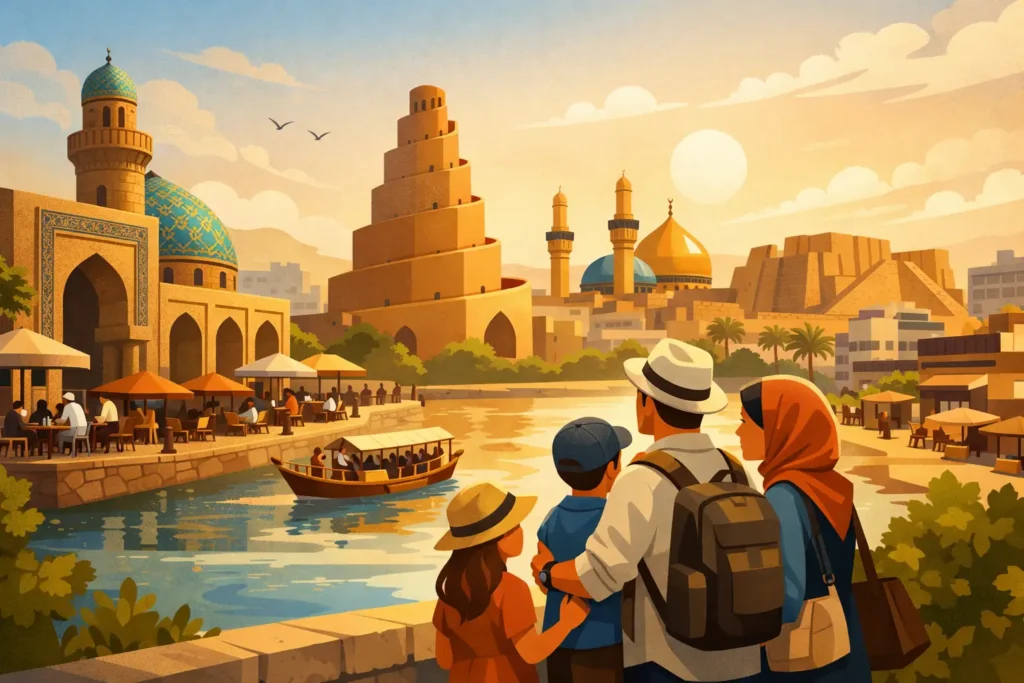
A family journey through Iraq is not about rushing from one ancient site to the next. It is about allowing time for a child to marvel at a date palm-lined road, for grandparents to revisit a place of personal meaning, and for everyone to experience the generosity that shapes daily life here. This Iraq family trip example follows an eight-day route through Baghdad, Babylon, Karbala and Najaf, with enough breathing space to make the journey enjoyable rather than exhausting.
It is designed for families with school-age children, adult children travelling with parents, and diaspora families reconnecting with Iraq. The route can also work for first-time international visitors who prefer a private driver or an organised local guide. As with any family holiday, the right pace depends on your children’s ages, the season and your confidence with road travel.
Why this Iraq family trip example works
Baghdad provides an energetic introduction to contemporary Iraqi life, while Babylon gives younger travellers a memorable connection to the ancient world. Karbala and Najaf add spiritual depth, particularly for Muslim families and visitors interested in Iraq’s religious heritage. The driving distances are manageable when journeys are planned early in the day and accommodation is booked in the city where you will spend the night.
The most successful family itineraries leave room for rest. Iraq rewards curiosity, but afternoon heat, busy shrine areas and long meals can feel more demanding for children than a museum timetable suggests. Plan one main activity each day, then let the rest of the day unfold around food, conversation and time at your hotel.
Days 1 and 2: Settle into Baghdad
Arrive in Baghdad with the first day reserved for settling in. Choose a well-located hotel with family rooms or connected rooms where possible, reliable air conditioning and a restaurant or easy access to meals. For families arriving after a long flight, a quiet first evening and an early night are more valuable than trying to fit in a major attraction.
On the second day, begin with a gentle introduction to the capital. A walk through Al-Mutanabbi Street, when conditions and opening times allow, offers booksellers, cafés and a glimpse of Baghdad’s enduring literary culture. It is best enjoyed with a local guide who can provide context and help the family navigate the area comfortably.
Build the day around a relaxed Iraqi lunch. Dishes such as grilled masgouf, kubba, rice and fresh salads allow children to try new flavours without making every meal unfamiliar. Families with selective eaters will usually find simple grilled meats, bread, yoghurt, fruit and rice readily available. Carry water and small snacks, particularly when travelling with younger children.
In the late afternoon, choose a calm activity close to your hotel rather than adding another major stop. A short riverside view, a café visit or time to rest gives everyone energy for the journey ahead. Baghdad is a large, lived-in capital, and its character is often felt as much in everyday encounters as in a tightly packed sightseeing plan.
Day 3: Baghdad’s heritage at a family pace
Dedicate the morning to one heritage experience, selected according to your family’s interests. Older children may enjoy archaeological collections and stories that connect Iraq to the earliest cities, writing systems and civilisations. For younger children, a guide who can turn artefacts into stories about kings, trade, animals and inventions will be far more engaging than a long series of dates.
This is also a good day to explain practical cultural etiquette. Modest clothing is appreciated throughout Iraq, and it is especially important at religious sites. Carry a light scarf for women and girls who wish to enter shrine spaces, and choose loose, comfortable clothing that covers shoulders and knees. Ask before photographing people, and follow guidance on photography at heritage and religious locations.
Keep the afternoon flexible. Families visiting relatives may use this time for reunions, while other visitors can enjoy a slower meal and prepare for the road journey south. Confirm the next day’s departure time with your driver, and ask your hotel to help arrange breakfast or snacks if leaving early.
Day 4: Baghdad to Babylon
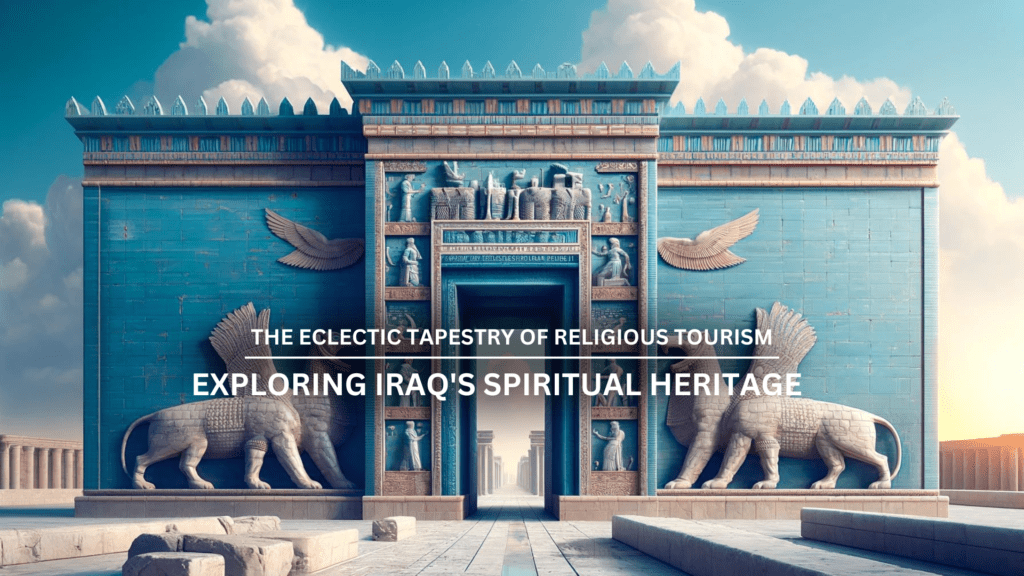
Leave Baghdad after breakfast for Babylon, one of the world’s most evocative ancient places. The site brings textbook history into a physical landscape: expansive ground, monumental remains and the powerful idea that families lived, traded and built communities here thousands of years ago.
For children, Babylon is more rewarding when approached as a story rather than a lesson. Talk about the city before you arrive. Ask them what they imagine a great ancient capital needed to function: water, food, builders, markets, guards and scribes. At the site, encourage them to notice scale, materials and the space around them.
The amount of time needed depends on the weather. In warmer months, visit as early as possible, use sun protection and avoid expecting young children to walk for hours. A private vehicle gives your family the freedom to return to air conditioning when needed. Stay overnight in or near the wider Babylon and Hillah area if suitable accommodation is available for your group, or continue according to your driver’s planned route.
Days 5 and 6: Karbala with care and respect
Karbala is among Iraq’s most spiritually significant cities and can be deeply moving for religious visitors. It is also a place where families should plan thoughtfully. Shrine areas may be busy at particular times, so a local host or guide can help you choose suitable visiting hours and understand entry expectations.
Day five should focus on arrival, checking in and a calm first visit. Families travelling for pilgrimage may wish to allow extra time for prayer, reflection and visiting at an unhurried pace. Non-pilgrim visitors are welcome when they arrive respectfully, dress appropriately and observe the atmosphere of worship.
On day six, keep the programme light. A second shrine visit, time with relatives, or a quiet family meal may be enough. This slower rhythm is not lost sightseeing time. It gives children and first-time visitors the chance to understand that Karbala is a living spiritual centre, not simply a landmark to photograph.
If you are travelling during major religious occasions, arrange accommodation and transport well in advance. Visitor numbers can rise considerably, roads may operate differently and hotels can fill early. For some families, those dates are the very reason for travelling; for others, a quieter period will be more comfortable.
Days 7 and 8: Najaf, reflection and departure
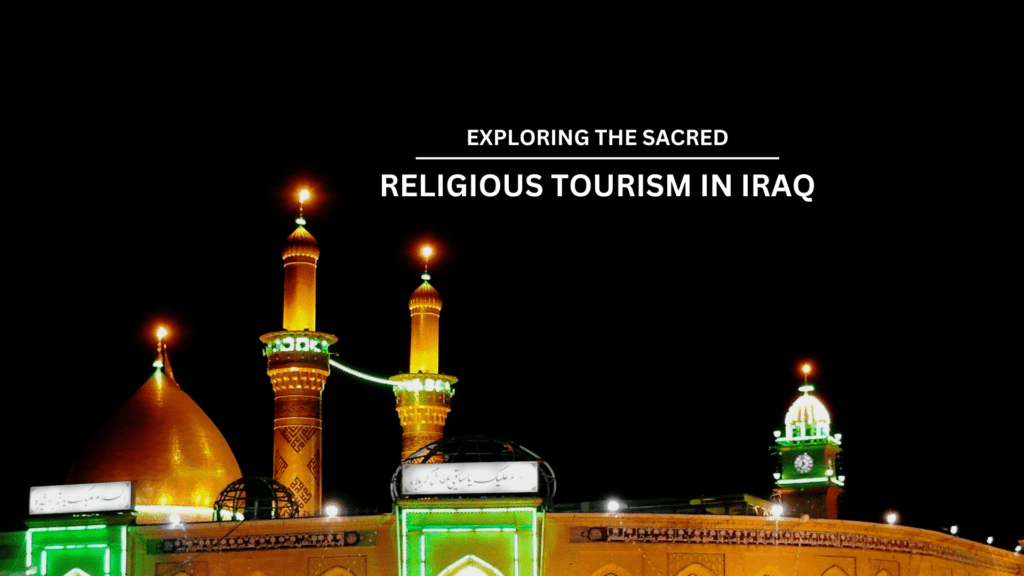
Continue to Najaf, where spiritual heritage, scholarship and family ties meet. The city’s atmosphere invites a more reflective final stage of the trip. Visit the Imam Ali Shrine with the same care for dress, timing and local guidance used in Karbala. Allow children to ask questions before entering, so they understand why this place holds such profound meaning for many visitors.
If your family has the time and interest, a visit to Wadi Al-Salam can offer an important perspective on Najaf’s religious and social history. This should be approached respectfully, with a knowledgeable guide and with consideration for whether it is appropriate for younger children. There is no need to include every location simply because it appears on a standard itinerary.
Spend the final evening over a relaxed meal, perhaps sharing favourite moments from the journey. Children may remember the warmth of a welcome, a sweet tea, a brightly tiled courtyard or the vastness of Babylon more clearly than historical facts. Those memories are part of Iraq’s appeal: heritage here is not sealed behind glass, but woven into family life, faith, food and conversation.
Before departure on day eight, leave generous time for transfers and airport procedures. Keep passports, visa documentation, hotel confirmations and contact details together in one accessible folder. Visa requirements, entry rules and transport arrangements can change, so verify current information through official channels before booking and before travelling.
Practical details that make family travel easier
A private driver is often the most comfortable choice for a multi-city family itinerary, especially when travelling with children, older relatives or luggage. It allows for rest stops, flexible meal times and a less pressured schedule. Agree the route, vehicle size, luggage capacity and daily timings in advance.
Choose accommodation for comfort rather than simply the lowest rate. Reliable cooling, clean bathrooms, a helpful reception team and a location that reduces unnecessary journeys can transform a family trip. Stay In Iraq can help travellers compare accommodation options as they shape a route that suits their group.
Bring comfortable walking shoes, modest layers, sunscreen, a reusable water bottle, any essential medicines and a small supply of familiar snacks for children. Card use may not be consistent in every setting, so carry sufficient cash in an appropriate mix of notes while using normal precautions.
Above all, travel with patience. Iraq is generous with experiences that cannot be scheduled: an invitation to share tea, a conversation with a shopkeeper, a relative’s extended lunch or a child proudly practising English. Leave space for these moments. They are often where a family trip becomes a lasting connection to Iraq.