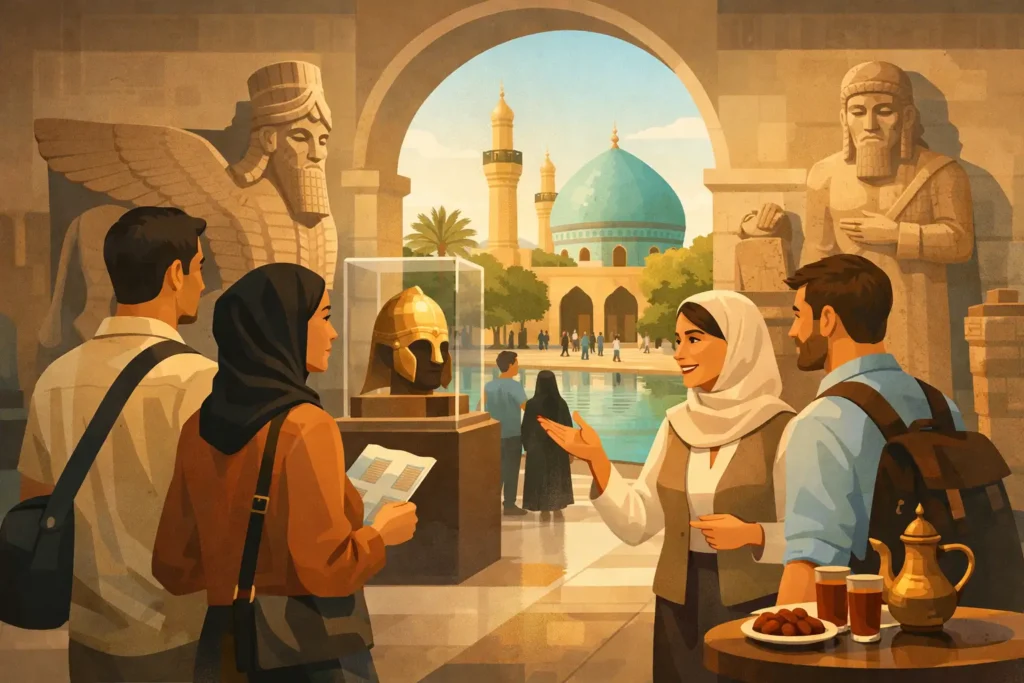
A museum visit in Iraq can place you face to face with a civilisation that shaped writing, cities, law and belief – then carry you into the art, daily life and resilience of modern Iraqi communities. This Iraqi museums visitor guide is designed for travellers who want more than a quick photograph: people ready to give objects, stories and places the time they deserve.
Iraq’s museums are not always presented in the polished, highly standardised format some visitors may expect in Europe. That is part of their value. Collections can feel direct, personal and closely connected to the cities around them. With flexible plans, respectful curiosity and a little preparation, they offer some of the most meaningful cultural experiences in the country.
Iraqi museums visitor guide: where to begin
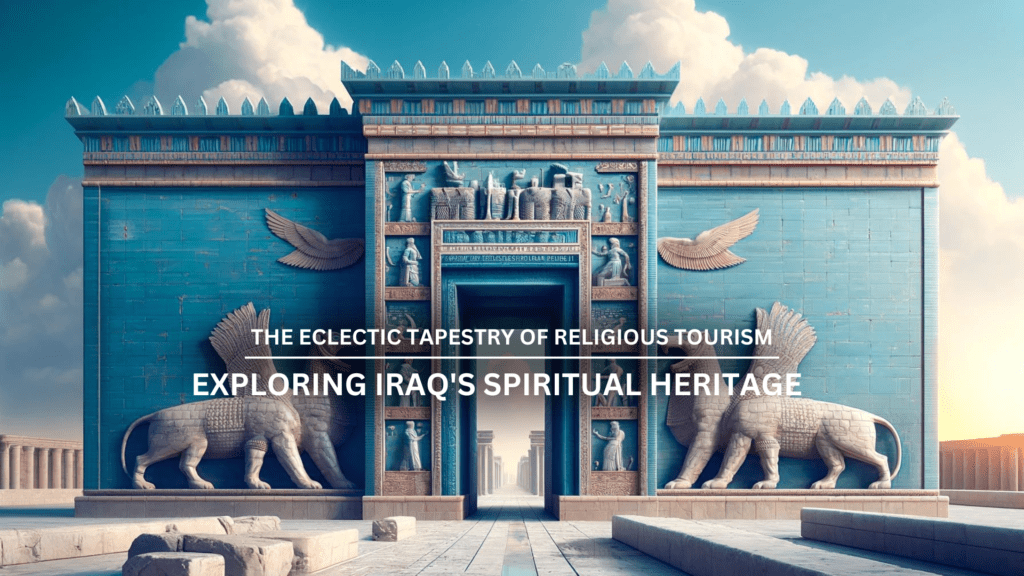
For many first-time visitors, Baghdad is the natural starting point. The Iraqi Museum is one of the country’s defining cultural institutions, with collections spanning prehistoric settlements, Sumerian cities, Akkadian rulers, Babylon, Assyria and Islamic civilisations. Its significance is difficult to overstate. The objects on display connect visitors to places they may later encounter on the road, including Ur, Babylon, Nimrud, Hatra and Samarra.
Do not rush this visit. Allow at least two to three hours, and longer if ancient Mesopotamia is a central reason for your journey. The museum’s galleries reward travellers who slow down to read labels, notice the craftsmanship of seals and statues, and imagine the long routes that once linked southern marshlands, royal capitals and trading centres.
Baghdad also has smaller cultural spaces, archives and heritage sites that may be accessible through local guides, universities or cultural programmes. Availability can change, so treat any particular museum as a priority rather than building a tightly timed day around it. A good hotel reception, trusted guide or local contact can often help confirm current opening arrangements.
Basra Museum is an especially rewarding choice for travellers continuing south. Set within a former lakeside palace complex, it presents archaeology and regional heritage in a city shaped by waterways, trade and literary culture. Basra is often included for its riverfront atmosphere, food and access to the south, but the museum gives useful context to the region’s far older story.
In the Kurdistan Region, Sulaymaniyah Museum is widely valued for its archaeological collection and its role in preserving the history of the surrounding area. Erbil also offers museum experiences and an exceptional historical setting around the Citadel, where the relationship between archaeology and living city life is immediately visible. These are not interchangeable stops: choose Sulaymaniyah for a collection-led visit and Erbil when you want heritage woven into a broader urban exploration.
Build the museum around the city
The strongest museum days combine indoor collections with the landscapes that give them meaning. In Baghdad, pair a museum visit with time in historic cultural quarters and a relaxed meal. In Basra, make room for the Shatt al-Arab and local cuisine. In Erbil, leave time for the Citadel area, bazaar streets and Kurdish hospitality.
For archaeology-focused travellers, museums are often best visited before an ancient site. Seeing a relief, tablet or architectural fragment first helps the ruins feel more legible later. The reverse can work equally well if you have already walked through Babylon or Ur and want to understand what was found there. It depends on your itinerary and energy, but avoid treating museums as a spare-hour activity between larger attractions.
What to look for beyond the famous artefacts
The grand stone figures and royal objects are memorable, yet some of Iraq’s most revealing museum pieces are smaller. Clay tablets show how people recorded trade, administration and literature. Cylinder seals reveal a world of identity and authority in miniature. Pottery, jewellery, domestic tools and coins make ancient life feel less distant.
When looking at an object, ask a few simple questions. Who made it? What material was available locally? Was it used in a temple, palace, home or marketplace? How did it reach the museum? These questions turn a visit from a series of labels into a conversation with the past.
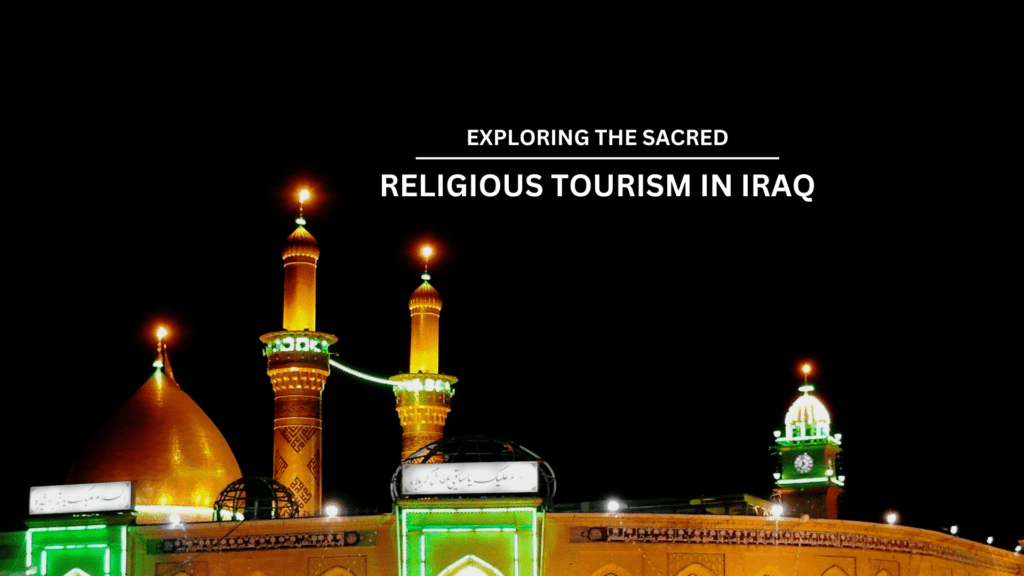
Islamic collections deserve the same attention as the ancient galleries. Iraq has been a major centre of learning, craftsmanship, pilgrimage and urban culture for centuries. Calligraphy, manuscripts, ceramics and architectural fragments can reveal changing artistic traditions as clearly as monumental archaeology does. If you are visiting Najaf or Karbala for religious reasons, ask locally about appropriate cultural institutions and heritage displays that complement your pilgrimage respectfully.
It is also worth noticing how a museum tells its story. Some galleries foreground chronology, while others focus on a city, a region or a specific archaeological excavation. Labels may be in Arabic, Kurdish or English to varying degrees. If English information is limited, a guide can add depth, but a translation app and a little patience also go a long way.
Practical planning for museum visits in Iraq
Opening days and hours can vary according to season, public holidays, religious observances, official arrangements and maintenance work. Confirm your intended visit close to the date, particularly if the museum is central to your journey. Morning visits are often the most comfortable choice, leaving the afternoon free for walking, transport or a long lunch.
Carry your passport or a clear copy if you are travelling independently, as identification may occasionally be useful when entering public institutions. Security procedures should be approached calmly and respectfully. They are part of the practical rhythm of visiting major cultural venues, and staff are usually happy to direct visitors when communication is clear and courteous.
Dress should be modest and neat, especially in cities where religious and civic customs shape public life more visibly. Loose, comfortable clothing is sensible for warm weather and long days on foot. Women may wish to carry a light scarf for visits to nearby religious sites, while all visitors should choose footwear suited to pavements, courtyards and archaeological terrain.
Photography policies differ. Some museums permit photography without flash, while others restrict it in specific rooms or require prior permission. Never assume that a camera is welcome simply because a mobile phone is in your hand. Look for signs, ask a member of staff and avoid photographing visitors, guards or researchers without consent. This small courtesy makes a real difference.
Transport, guides and timing
Baghdad’s traffic can make distances feel longer than they appear on a map. Plan one key museum visit per half-day rather than attempting several institutions across the city. Private drivers, taxis arranged through reputable accommodation and experienced local guides can make museum days far easier, particularly for visitors unfamiliar with Arabic.
In Basra, Erbil and Sulaymaniyah, travel times also depend on where you are staying and the time of day. Arrange transport in advance if you are travelling during busy holiday periods or arriving from another city. A knowledgeable guide is most valuable when they can interpret the collection, not merely provide a lift. For independent travellers, museums remain entirely possible to enjoy, but asking your accommodation to confirm the day’s arrangements removes unnecessary uncertainty.
Keep a little flexibility in every itinerary. Iraq rewards travellers who leave room for an unplanned conversation with a curator, a recommendation from a local family, or a detour to a heritage quarter that was not on the original plan.
Visit with care and curiosity
Museums hold objects of immense cultural and spiritual importance. Keep voices low, do not touch displays unless invited, and be patient when galleries are busy with school groups or local visitors. If a display includes sacred material, treat it with the same respect you would offer at a religious site.
There is also a deeper etiquette: resist the urge to see Iraq only through its oldest achievements. Ancient Mesopotamia is a remarkable entry point, but Iraq is a living country of writers, artisans, families, students, pilgrims and hosts. Let a museum visit inspire conversations about the present as well as admiration for the past.
Stay In Iraq can help travellers connect museum planning with accommodation and wider city itineraries, making it easier to give each place the time it merits. Choose one collection that genuinely interests you, arrive unhurried, and let Iraq’s objects lead you towards the streets, landscapes and people that continue their story.