At sunset, Iraqi streets take on a remarkable sense of anticipation. Bakeries prepare fresh bread, kitchens fill with the fragrance of soup and spices, and families gather for the meal that breaks the fast. Ramadan travel in Iraq offers visitors a chance to experience the country at one of its most generous, spiritual and socially connected times of year – provided they arrive with patience, sensitivity and a flexible plan.
For Muslim travellers, the month can add profound meaning to a journey through Iraq’s sacred cities and historic communities. For non-Muslim visitors, it is an opportunity to witness Iraqi hospitality in a more intimate rhythm. The country does not pause during Ramadan, but its days and evenings move differently. Understanding that rhythm will make your visit more comfortable and more rewarding.
What Ramadan changes for travellers in Iraq
Ramadan follows the Islamic lunar calendar, so its dates move by around 10 to 11 days each year. Daily life is shaped by the fast from dawn until sunset, observed by many Muslims across Iraq. The degree of observance differs between individuals, workplaces and cities, but travellers should expect daytime routines to be quieter and evenings to be considerably livelier.
Shops, cafés, government offices and attractions may work reduced or adjusted hours. Some restaurants remain open, particularly within hotels or in areas serving travellers, but many independent venues may not serve food publicly during daylight hours. This is not an inconvenience so much as a change of pace. Build room into your itinerary, confirm opening times locally, and avoid planning every day around a fixed timetable.
In Baghdad, the energy often rises after iftar, the sunset meal that ends the daily fast. In Najaf and Karbala, Ramadan can deepen the atmosphere around shrines, markets and places of worship. In Erbil and across the Kurdistan Region, visitors will also find a distinctive evening social scene, with families gathering in restaurants, parks and shopping areas after dark. Iraq is varied, and the experience of Ramadan will reflect the character of each place.
Ramadan travel in Iraq: follow the local rhythm
Let daylight be for slower exploration
Morning is often the easiest time for sightseeing, meetings and longer drives. Historic quarters, museums, archaeological sites and city landmarks can be especially pleasant before the afternoon heat and pre-iftar preparations begin. If you are travelling between cities, aim to arrive well before sunset rather than relying on a last-minute journey.
The hour before iftar is one of the busiest moments of the day. Roads can become congested as people head home, collect food or visit relatives. Taxis and private drivers may be less available, and journey times can stretch. It is wise to be back at your hotel, arranged dinner venue or host’s home before this period begins.
Afternoons can feel quieter, especially in hot weather. Rather than treating this as lost time, use it for a rest, journalling, organising photographs or enjoying a relaxed hotel stay. Travelling well in Iraq often means allowing the country’s natural pace to guide your own.
Evenings reveal Ramadan’s social heart
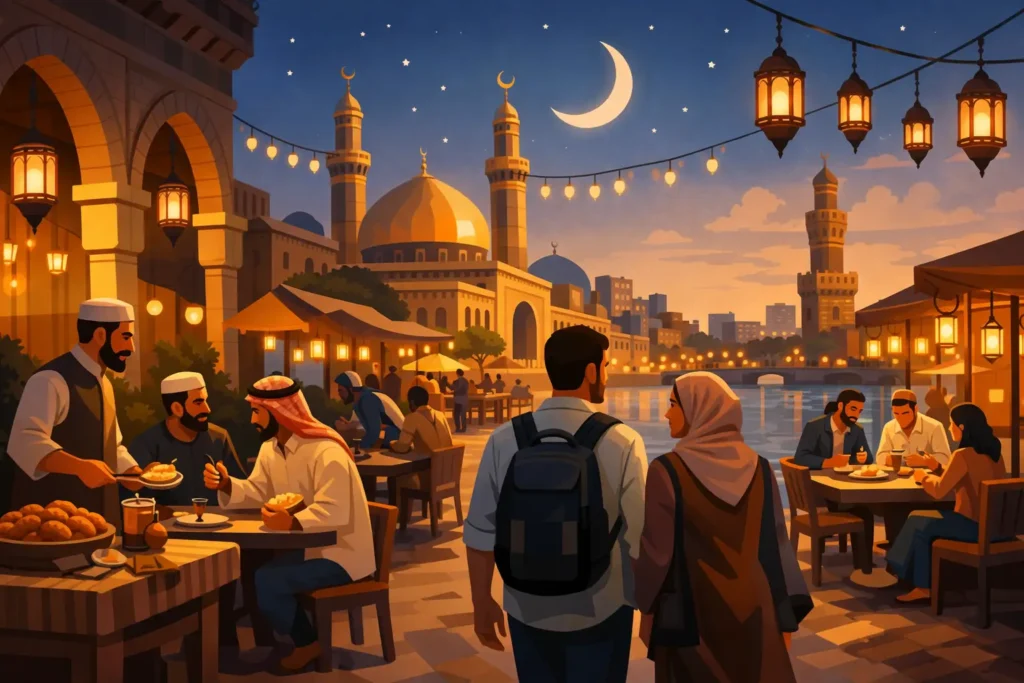
After sunset, cities reawaken. Families gather around shared tables, dessert shops become busy, and streets fill with people visiting friends or taking a late walk. It is an excellent time to experience local food, browse markets and see the warmth of Iraqi public life.
If you receive an invitation to iftar, accept it if you can do so respectfully. A home invitation is not simply a meal reservation. It is a gesture of welcome, often involving extended family, generous portions and genuine curiosity about a guest’s journey. Arrive on time, dress modestly and follow your host’s lead before beginning to eat.
You may also hear references to suhoor, the meal eaten before dawn by those who are fasting. In some cities, cafés and restaurants stay open late for suhoor, creating a relaxed late-night atmosphere. Whether you participate or simply observe, these hours offer a memorable view of Iraq’s living culture beyond its famous monuments.
Eating and drinking with consideration
Non-Muslim travellers are not expected to fast. However, eating, drinking or smoking openly in public during daylight can feel discourteous in places where most people are fasting. The considerate approach is simple: eat discreetly in your hotel, accommodation, a designated restaurant or another private setting.
Carry water for travel days, particularly during warmer months, but drink it discreetly where appropriate. If you have a medical need, are pregnant, travelling with young children or have another reason that requires regular food and drink, there is no need for anxiety. Courtesy matters more than perfection, and people generally understand practical circumstances.
Iftar food varies from household to household, but visitors may encounter dates, soup, rice dishes, grilled meats, salads, stuffed vegetables and sweets. Do not rush the meal. The most meaningful part is often the conversation around it. Ask about family recipes, local specialities and Ramadan traditions, and be ready to share something about your own background too.
Visiting holy places during the month
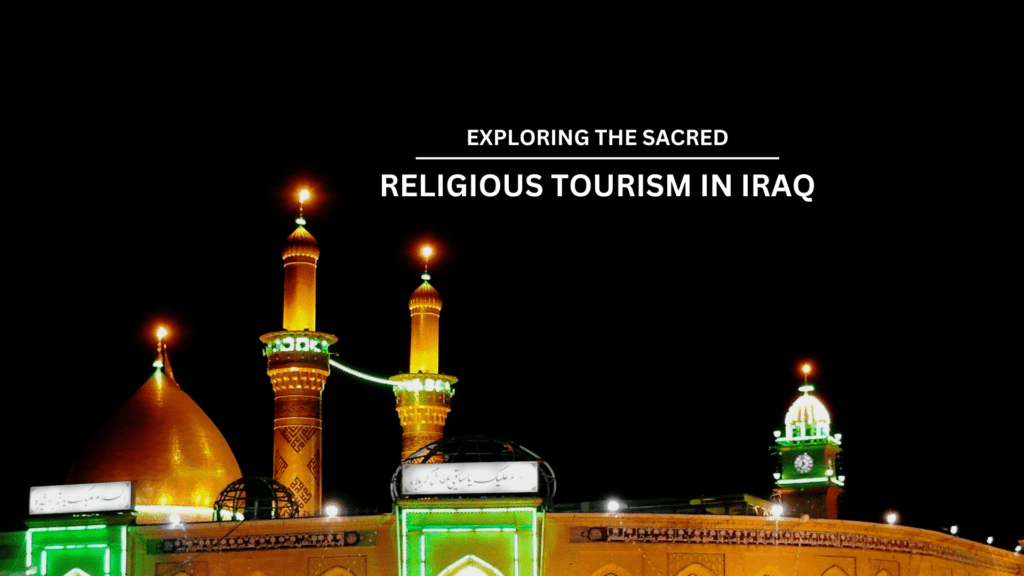
Ramadan is an especially significant time for religious visitors to Iraq. Najaf, home to the Shrine of Imam Ali, and Karbala, home to the shrines of Imam Hussein and Imam Abbas, welcome pilgrims throughout the year, yet the month can bring a heightened feeling of devotion and community.
Visitors should dress conservatively and follow site-specific guidance. Women may be asked to cover their hair at certain shrines, while all visitors should wear clothing that covers shoulders and knees. Shoes are removed in designated areas, photography may be restricted, and some spaces are reserved for prayer or worship. Listen to staff and local guides, and avoid treating sacred sites as backdrops for hurried photographs.
Ramadan can also be a meaningful time to visit Baghdad’s historic mosques, old markets and cultural districts. The value of these visits lies not only in architecture, but in understanding how faith, memory and daily life meet in the city.
Choose accommodation that supports your plans
During Ramadan, a well-located hotel or guest accommodation can make a genuine difference. Look for a stay that can provide breakfast at an adjusted time, offer in-room dining during daylight, or help arrange an evening meal. Accommodation teams can also be useful sources of up-to-date local information on restaurant hours, traffic patterns and shrine access.
In major cities, staying near the places you want to experience after sunset reduces dependence on late transport. This matters particularly if you want to enjoy a post-iftar walk, meet local contacts or attend a cultural gathering. Stay In Iraq can help travellers compare accommodation options while keeping location, comfort and the season’s changing rhythm in view.
If you are booking around the final week of Ramadan or the Eid al-Fitr holiday that follows, reserve earlier than usual. Domestic travel, family visits and pilgrim movement can increase demand in certain cities. Flexibility is helpful, but leaving every arrangement until arrival is rarely the best strategy during a busy holiday period.
Transport, timing and practical preparation
Travellers should confirm transport schedules directly with providers, as domestic flights, coaches and private transport services may adjust their operating hours during Ramadan. Where possible, arrange intercity transfers ahead of time and keep your first and last days lighter than usual.
For international visitors, entry requirements can depend on nationality, port of arrival and the Iraqi region being visited. Check current official visa guidance before booking, rather than relying on old social media posts or a previous traveller’s experience. Carry digital and printed copies of key bookings, passport details and local contact numbers.
Iraq rewards travellers who plan carefully without over-planning every moment. Use reputable accommodation, agree transport arrangements clearly, dress in a way that respects local norms and ask trusted local people for advice on the day’s timing. Conditions and opening hours can change, particularly during religious occasions, so a calm and adaptable attitude goes a long way.
Stay for Eid if your itinerary allows
Eid al-Fitr marks the end of Ramadan and is a major period of celebration. Families visit one another, wear their best clothes, share sweets and spend time together. Some businesses may close or operate limited hours, while public spaces, restaurants and visitor areas can be busier than usual.
For some travellers, Eid is the most joyful time to be in Iraq. For others, especially those seeking quiet access to museums or administrative services, it may be better to schedule those tasks before the holiday. Neither choice is wrong. It depends on whether your priority is celebration and atmosphere, or a more predictable sightseeing schedule.
The best approach to Ramadan in Iraq is to arrive not as a spectator of a religious season, but as a thoughtful guest. Make space for the pauses, accept the generosity offered to you, and let the evening call of the city lead you towards conversations and memories that no ordinary itinerary could create.