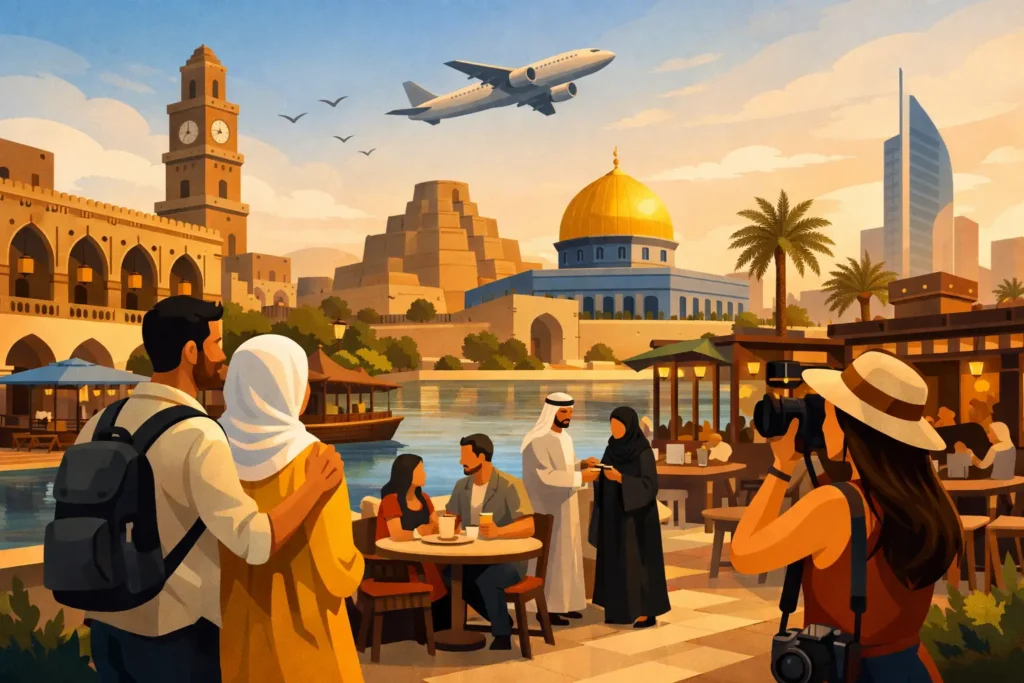
Iraq’s most powerful travel asset cannot be placed behind glass. It is the moment a visitor is invited for tea, shown a family recipe, or welcomed into a shrine, market or neighbourhood with genuine curiosity. The future of Iraq travel will be shaped by these human encounters as much as by its extraordinary monuments. For travellers willing to look beyond old assumptions, Iraq is becoming a more visible, more practical and more compelling destination.
Its appeal has never depended on being conventional. Iraq offers the ancient cities of Mesopotamia, the sacred atmosphere of Najaf and Karbala, Baghdad’s literary and culinary life, Erbil’s citadel, Basra’s waterways and the dramatic landscapes of the Kurdistan Region. What is changing is the ability to turn that interest into a well-planned journey.
The future of Iraq travel starts with confidence
Many people first approach Iraq with fascination, then hesitate because reliable travel information can feel fragmented. A visitor may know they want to see Babylon or attend Arbaeen, yet still have questions about entry requirements, transport between cities, suitable accommodation and local etiquette. Addressing that gap is one of the most important developments in Iraqi tourism.
The future is not simply about attracting larger numbers of visitors. It is about making travel more understandable without making Iraq feel packaged or generic. Clear destination information, transparent accommodation choices, local guides and realistic itineraries help visitors make informed decisions before they arrive. They also give travellers more freedom to focus on the experience itself.
This matters particularly for first-time visitors. Iraq rewards curiosity, but it also rewards preparation. Visa policies can vary by nationality and point of entry, so travellers should always confirm current requirements through official channels before booking. The same principle applies to routes, opening times and local arrangements, which can change according to season, religious calendars and regional conditions.
Heritage will remain the country’s strongest invitation
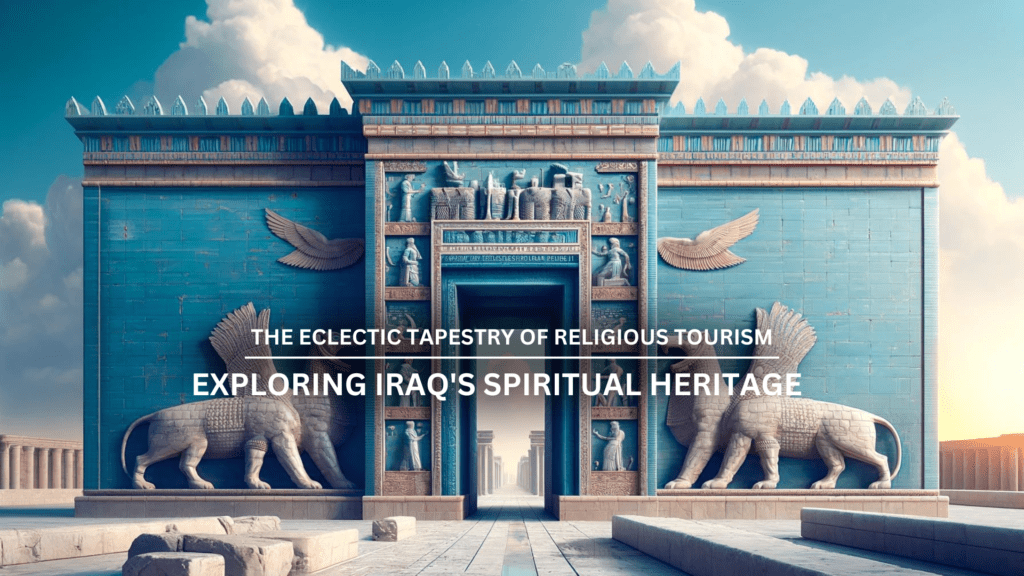
Iraq is not only the Cradle of Civilisation as a historical phrase. It is a country where the foundations of urban life, writing, law and agriculture can be encountered through real places. Babylon, Ur, Hatra, Samarra and the archaeological landscapes of southern Iraq offer a depth that few destinations can match.
Yet heritage travel here has a wider meaning than visiting ancient sites. In Baghdad, heritage can be found in book markets, traditional cafés, mosques, museums and the rhythms of the Tigris. In Mosul, it can be felt in the city’s layered architecture, food and determination to renew cultural life. In Basra, it appears in dates, poetry, river culture and the Gulf-facing identity of southern Iraq.
The strongest tourism future will connect these places rather than treat them as isolated stops. A traveller who understands how Baghdad, Babylon, Najaf and Ur relate to one another leaves with more than photographs. They leave with a clearer sense of Iraq’s place in the story of civilisation and its continuing cultural life.
That requires thoughtful interpretation. Better visitor centres, trained local guides, accurate multilingual material and respectful site management can make heritage more accessible while protecting what makes it precious. Increased access must never come at the expense of fragile archaeological landscapes or living traditions.
Pilgrimage and spiritual travel will keep growing
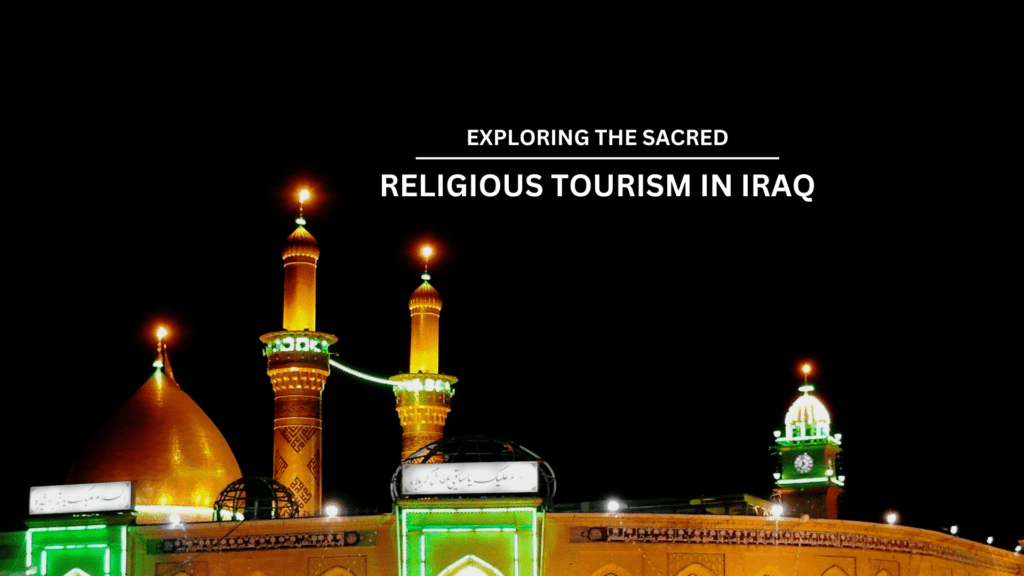
Religious travel is already central to Iraq’s visitor economy and will remain one of its greatest strengths. Najaf and Karbala welcome pilgrims from across the world, while Kadhimiya, Samarra and other sacred places carry deep importance for millions of visitors. These journeys are often emotional, communal and purposeful, not simply sightseeing trips.
As travel services develop, the opportunity is to support pilgrims with greater clarity and dignity. Reliable accommodation information, well-organised local transport, guidance on respectful dress and conduct, and advance planning around major pilgrimage dates can ease pressure on both visitors and host communities.
There is also space for travellers interested in Iraq’s wider spiritual heritage. The country holds significant sites connected to Islam, Christianity, Yazidi traditions and older civilisations. Responsible travel content should present this diversity with care, recognising that sacred places are first and foremost places of worship, memory and community.
For independent travellers, timing is crucial. Major religious occasions create an atmosphere unlike any other, but they can also bring very high demand for rooms and transport. Those seeking a quieter heritage-focused trip may prefer to plan around these peak periods. Neither approach is better – they offer different ways of experiencing Iraq.
Better places to stay will change how people travel
Accommodation is one of the clearest bridges between inspiration and a confirmed trip. Travellers need to know where they will sleep, what facilities to expect, how far a property is from key sites and whether a stay suits their budget and travel style. Until that information is easy to find, even the most interested visitor may postpone their journey.
The future of Iraqi travel therefore includes a broader range of bookable, clearly presented stays. Established hotels remain vital, particularly in major cities and pilgrimage centres. At the same time, guesthouses, family-run properties and home rentals can offer a more personal connection to a place when managed responsibly.
This is not about copying another country’s tourism model. A comfortable stay in Iraq should retain a sense of place: warm hosting, local knowledge, good food, practical service and honest expectations. Platforms such as Stay In Iraq can help bring accommodation discovery and destination guidance together, allowing visitors to plan with greater confidence while giving local property partners a stronger digital presence.
For hosts, the opportunity comes with responsibility. Accurate photographs, clear pricing, prompt communication and dependable standards create trust. For guests, choosing well-reviewed, clearly described accommodation can make the difference between a complicated itinerary and a relaxed, rewarding one.
Local experiences will matter more than rushed itineraries
Iraq is unlikely to become a destination best understood through a checklist. Its most memorable moments are often unplanned: a conversation with a shopkeeper, a shared plate of masgouf in Baghdad, a sunset over the marshes, or a guide explaining a site through family stories and local knowledge.
That is why small-group and locally led experiences have such promise. Food walks, craft workshops, marshland visits, photography routes, neighbourhood tours and archaeological excursions can distribute tourism benefits more widely than a narrow circuit of landmark visits. They can also give travellers context that no guidebook paragraph can fully provide.
The trade-off is that authenticity should not become performance. Communities should have a genuine say in how visitors are welcomed, photographed and hosted. Travellers have a role too: ask before taking portraits, dress respectfully in conservative settings, learn a few Arabic or Kurdish greetings where appropriate, and approach sacred spaces with patience. Courtesy is not a travel accessory in Iraq. It is part of the journey.
Digital tools can make Iraq easier to plan
A growing online travel ecosystem will be one of the quiet forces behind Iraq’s tourism future. Visitors increasingly expect to compare stays, map routes, understand city neighbourhoods and find practical answers before they travel. They do not expect every journey to be identical, but they do expect information to be current and useful.
Good digital travel content can reduce uncertainty without pretending that every detail is fixed. Iraq is a country where flexibility remains valuable. A road journey may take longer than expected, a site visit may be affected by local timings, and the best advice may come from a trusted host on arrival. Planning should provide a strong framework, with room for the country’s natural spontaneity.
For international visitors, a sensible first itinerary often focuses on two or three connected destinations rather than attempting the whole country at once. Baghdad, Babylon and Najaf can form one meaningful route; Erbil, Duhok and Sulaymaniyah offer another distinct experience in the Kurdistan Region. Travellers with more time can build towards the south, including Basra, Ur and the marshes.
A tourism future built with care
The most promising version of Iraqi tourism is not one that chases mass-market attention. It is one that welcomes more visitors while protecting heritage, respecting faith, supporting local businesses and setting honest expectations. Growth should benefit hotel teams, drivers, guides, craftspeople, restaurateurs and households, not only major operators.
There will be challenges. Infrastructure and travel services will develop at different speeds across cities and regions. Some visitors will prefer the reassurance of an organised itinerary, while others will seek independence. The answer is not a single type of trip, but better choices and clearer information for both.
For anyone considering Iraq, the right time to begin is before the itinerary is final. Read carefully, check current practical requirements, choose stays that suit your route, and leave space for conversation. Iraq’s future as a travel destination will be built by its people – and experienced best by visitors who arrive with respect, patience and an open mind.