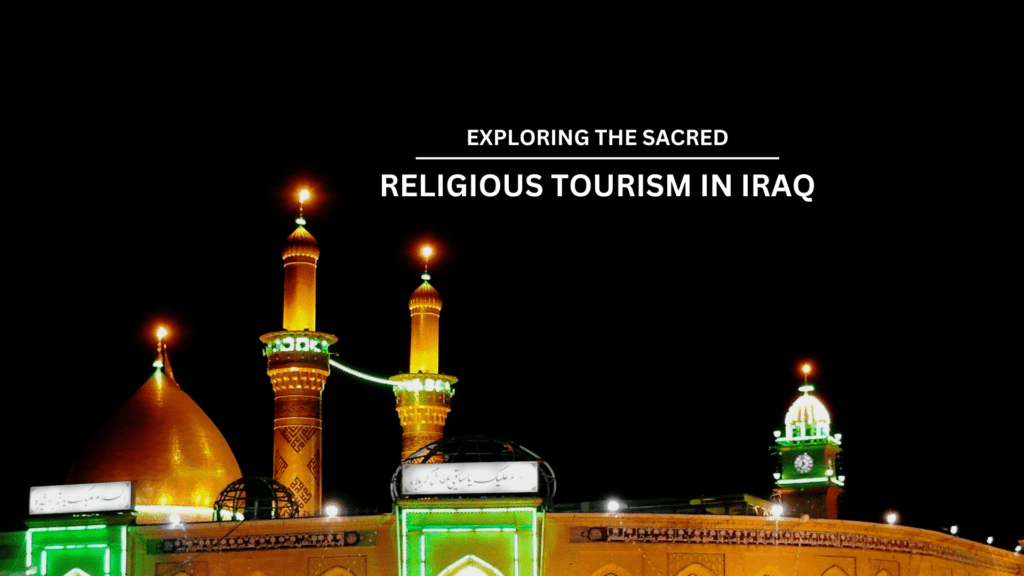

Najaf is one of the world’s most significant spiritual cities, where the call to prayer, scholarly tradition and everyday Iraqi hospitality shape the rhythm of life. So, can foreigners visit Najaf? Yes. International visitors can travel to Najaf, whether for pilgrimage, family connections, cultural interest or a wider journey through Iraq, provided they meet Iraq’s current entry requirements and approach the city with appropriate preparation and respect.
For many travellers, Najaf is more than a destination on a map. It is home to the revered shrine of Imam Ali, a centre of Shia Islamic learning, and the vast Wadi Al-Salam cemetery. It is also a living Iraqi city with markets, cafés, hotels and welcoming communities. Visiting well means balancing curiosity with an understanding of its religious character.
Can foreigners visit Najaf independently?
Foreign visitors may travel to Najaf independently, but the right level of support depends on your nationality, travel experience and reason for visiting. Some travellers arrive as part of an organised pilgrimage group, while others include Najaf in a self-planned cultural itinerary with Karbala, Baghdad, Babylon or the marshes of southern Iraq.
The practical starting point is your visa. Iraq’s entry rules, visa-on-arrival eligibility and e-visa arrangements can change, and they are not the same for every passport. Before booking non-refundable flights or accommodation, confirm the latest position directly with the Iraqi embassy or consulate responsible for your country, as well as your airline. Ask specifically about entry through Najaf International Airport if that is your planned arrival point.
Your passport should generally have sufficient validity remaining, and travellers should carry printed copies of their visa approval or relevant entry documentation where applicable. If you hold more than one nationality, check which passport you intend to use throughout the journey. Small details such as this can prevent avoidable delays at check-in or border control.
Travellers should also check their own government’s current travel advice and ensure that their insurance explicitly covers Iraq and the activities they plan to undertake. This is sensible preparation for any international trip, not a judgement on the warmth or openness of the destination.
Arriving in Najaf and getting around
Najaf International Airport is an important gateway for religious visitors, particularly during major pilgrimage periods. Flight schedules and direct routes vary by season and departure country, so some visitors connect through another regional airport before continuing to Najaf.
Airport transfers arranged through a reputable hotel, host or licensed local operator are often the simplest option for first-time visitors. They remove the pressure of negotiating transport after a long flight and give you a reliable point of contact on arrival. For travel between Najaf and nearby Karbala, private drivers and organised transport are common choices, especially for travellers working to a pilgrimage schedule.
Within the older areas near the shrine, walking is often the best way to experience the atmosphere. Streets can become busy, particularly on Thursdays, Fridays, religious holidays and significant pilgrimage dates. Allow more time than a map suggests, wear comfortable shoes, and avoid relying on a tightly timed plan.
For independent travellers, it helps to have your hotel address written clearly in Arabic as well as English. Mobile connectivity may be arranged on arrival, but do not depend on it as your only way of finding your accommodation or driver. Keep key telephone numbers, booking details and a local contact saved offline.
Respectful visits to Najaf’s holy places
Najaf welcomes visitors who understand that its most important landmarks are active places of worship, not simply heritage sites. Modest dress is expected in public and is particularly important around shrines. Loose, conservative clothing that covers arms and legs is a sensible baseline. Women should carry a headscarf for religious spaces, while men should avoid shorts and sleeveless tops.
At the Imam Ali Shrine, follow the instructions of staff and security personnel without argument. Rules on photography, bags, shoes and access can vary by area and may change during busy periods. Non-Muslim visitors should not assume access to every part of the complex or to the inner sanctuary. The most respectful approach is to ask politely in advance through your hotel, host or a knowledgeable local guide, then accept the guidance given on the day.
Photography deserves particular care. A beautiful courtyard or procession can be meaningful to witness, but worshippers should never be treated as scenery. Ask before photographing people, avoid taking close images of anyone praying or grieving, and put your mobile phone away where photography is restricted. Quiet observation often creates a more memorable experience than a rushed collection of images.
When to visit Najaf
The best time depends on what you hope to experience. The cooler months, broadly from late autumn to early spring, are usually more comfortable for walking and outdoor visits. Summer can be extremely hot, making early mornings and evenings more practical for sightseeing.
Major religious occasions bring a powerful sense of shared devotion and generosity, with the city receiving large numbers of pilgrims. They can be deeply meaningful for visitors travelling for faith, but accommodation, transport and movement around the city require more planning. Book well ahead, expect crowds and understand that your experience will be shaped by the event rather than a conventional sightseeing timetable.
If your interest is primarily cultural and architectural, a quieter period may offer more space to explore at a measured pace. Najaf rewards unhurried time: a morning around the old city, a respectful visit to the shrine precinct, and an evening meal with local hosts can reveal far more than trying to cover every landmark in a single day.
Where to stay and how long to allow
Najaf has accommodation ranging from straightforward pilgrim hotels near the shrine to more comfortable options suitable for international visitors and families. Staying close to the shrine puts you within walking distance of key religious sites, but it can also mean denser crowds and more street activity at peak times. A hotel slightly further out may offer a quieter night and easier vehicle access.
When selecting a stay, prioritise clear location details, recent guest feedback, reception support and airport-transfer options over polished photographs alone. It is worth asking whether the property can help with a local driver, laundry, meals, currency exchange guidance or a visit timed around shrine access. Platforms such as Stay In Iraq can help travellers compare accommodation with the wider context of a city, rather than treating a room as an isolated booking.
Two nights is a sensible minimum for many first-time visitors. It allows time to arrive, settle in and visit the city without turning a place of profound importance into a hurried stop. Add another day if you wish to visit nearby Kufa, explore religious and historical sites at a slower pace, or travel onward to Karbala.
Practical habits that make a real difference
Carry some Iraqi dinars for small purchases, taxis and everyday expenses, while keeping a separate reserve for larger costs. Card acceptance is growing but should not be assumed everywhere. Dress for the weather, keep drinking water with you, and take a power bank when you expect a long day around busy shrine areas.
A few Arabic greetings are warmly received, although visitors will also encounter people who can assist in English, particularly in hotels and travel services. Patience, courtesy and a willingness to adapt go a long way. If you are invited for tea or a meal, accepting when possible is often one of the most genuine ways to experience Iraqi hospitality.
Najaf does not ask visitors to be experts in its traditions before they arrive. It asks them to arrive thoughtfully. With current visa checks, reliable arrangements and a respectful attitude, foreign travellers can encounter a city whose spiritual importance is matched by its human warmth – and leave with a more personal understanding of Iraq.