A journey to Iraq often begins with a practical question: what visa do I need? This Iraq visa guide 2026 is designed to make that first stage clearer, so you can focus on the experiences ahead – from Baghdad’s living heritage and Basra’s waterways to the sacred cities of Najaf and Karbala, the marshes of the south and the mountain landscapes of Iraqi Kurdistan.
Visa arrangements can change, sometimes with limited notice. The most reliable approach is to treat your visa as a route-specific part of your trip plan, rather than a formality to leave until the final week. Your passport nationality, purpose of travel, arrival airport or land border, and plans to travel between federal Iraq and the Kurdistan Region can all affect what you need.
Iraq visa guide 2026: start with your route
Before checking visa eligibility, decide where you intend to arrive and travel. Iraq is a large, varied country, and practical entry rules may differ between federal Iraq and the Kurdistan Region of Iraq. A traveller flying into Baghdad for a heritage itinerary has a different planning path from someone arriving in Erbil before heading into the mountains, or a pilgrim travelling to Najaf and Karbala.
Do not assume that a visa, entry stamp or permit issued at one point of entry automatically gives the same access elsewhere. If your itinerary crosses between the Kurdistan Region and federal Iraq, confirm the rules with the relevant Iraqi diplomatic mission or immigration authority before booking non-refundable transport. This one check can prevent a great deal of uncertainty later.
For British passport holders, the Embassy of Iraq in London is an appropriate starting point for current federal entry requirements. Travellers of other nationalities should contact the Iraqi embassy or consulate responsible for their country of residence. Official immigration authorities should always have the final word, especially where visa-on-arrival or electronic visa options are concerned.
Choose the visa that matches your visit
Most leisure visitors will be looking for a tourist visa, while those visiting family, attending a religious gathering, working with an organisation, reporting, filming or conducting business may need a different category. A tourist visa is not a substitute for permission to work, undertake paid assignments or carry out professional media activity.
Be clear and consistent about the purpose of your visit. If you are travelling for pilgrimage, say so in your application and keep supporting plans available. If you are visiting relatives, an invitation or local contact details may be useful. For a business trip, the host company may need to provide documents. The exact requirements depend on your nationality and visa category, so avoid relying on another traveller’s experience from a previous year.
Some nationalities may be eligible for an electronic visa or visa on arrival under current arrangements. Eligibility, permitted entry points, fees and length of stay can change. Confirm whether your specific passport qualifies before departure, and check whether the option applies to your intended airport or land crossing. A flight booking alone is not evidence of visa eligibility.
Prepare your application documents early
The strongest visa application is usually a simple, organised one. Begin preparing documents several weeks before travel, particularly if you are applying through an embassy or need a host letter. Processing times are variable, and public holidays in either country can affect the timetable.
Your passport should generally have at least six months’ validity remaining from your date of arrival, although you should confirm the exact requirement for your visa route. Check that it is undamaged and has sufficient blank pages for visas and entry stamps. If you hold dual nationality, decide which passport you will use for the entire journey and make sure your bookings match it exactly.
Requirements differ, but travellers are commonly asked for a completed application form, passport photographs, a passport copy, travel itinerary, proof of accommodation and evidence of onward or return travel. You may also be asked for an invitation, sponsor details or further supporting documents depending on the visa type. Keep digital copies on your phone and store printed copies separately from your passport.
Accommodation information matters because it shows that your journey has been considered rather than improvised. A confirmed hotel booking for your first nights, together with a realistic itinerary, can make arrival easier. Stay In Iraq can help visitors research suitable accommodation and build a trip around the cities and experiences they genuinely want to explore.
Allow for fees, timing and small changes
Visa fees and payment methods should be checked directly with the issuing authority. Carrying the wrong currency, expecting card payment where cash is required, or arriving without the exact supporting document can create an avoidable delay. Ask in advance whether fees are payable online, at an embassy, or on arrival where that service is available.
It is wise not to leave your application until the final days before departure. Build in time for questions, additional paperwork or a revised itinerary. Once your visa is issued, read every detail: check the spelling of your name, passport number, number of permitted entries, validity dates and authorised length of stay.
A visa’s validity period and permitted stay are not always the same thing. One tells you when you may enter; the other tells you how long you may remain after entry. If you plan a slower journey through several cities, make sure your schedule fits the permitted stay rather than assuming an extension will be available.
Arriving in Iraq with confidence
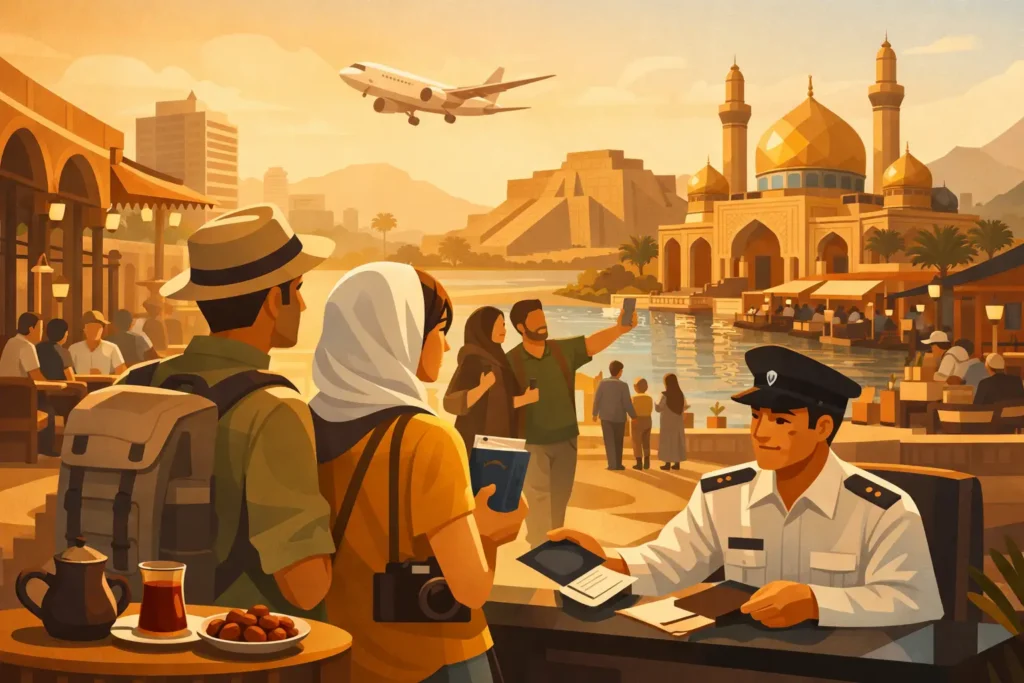
At immigration, present yourself calmly and answer questions directly. Keep your passport, visa approval if applicable, address for your first night, contact details and onward plans easy to reach. Immigration officers may ask about the purpose and duration of your visit, so your answers should match your application and itinerary.
Your visa allows you to request entry, but admission remains a decision for border authorities. This is standard international practice, not a reason to be discouraged. Good preparation, accurate documents and respectful communication go a long way.
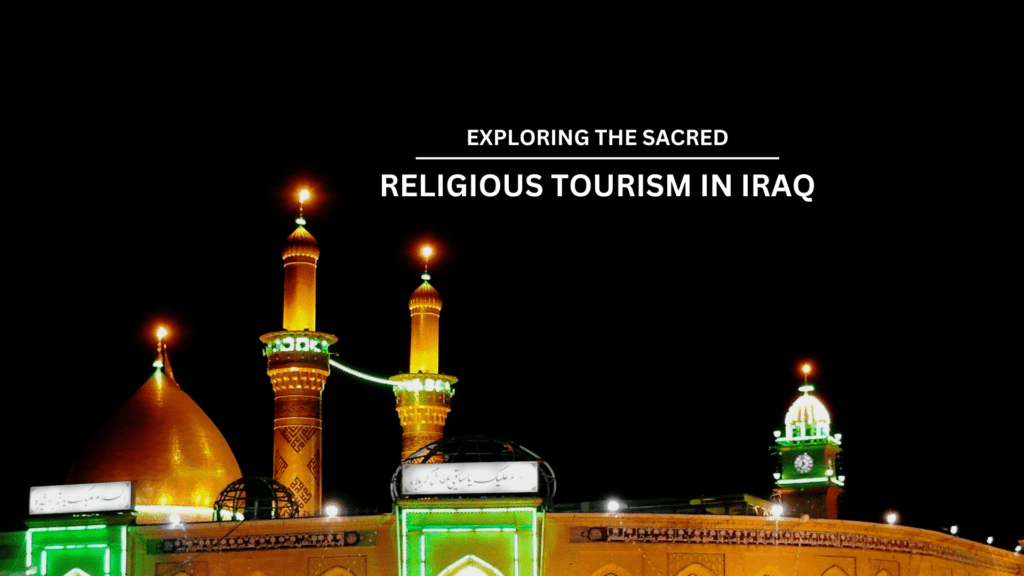
If you are entering for a religious visit, be mindful that peak pilgrimage periods can bring very high visitor numbers and changes to transport, accommodation availability and border procedures. Book earlier than usual, carry the contact details of your accommodation and allow extra time between journeys. Iraq’s sacred cities welcome visitors from across the world, and thoughtful planning helps you experience their spiritual atmosphere with the respect it deserves.
Regional travel needs extra attention
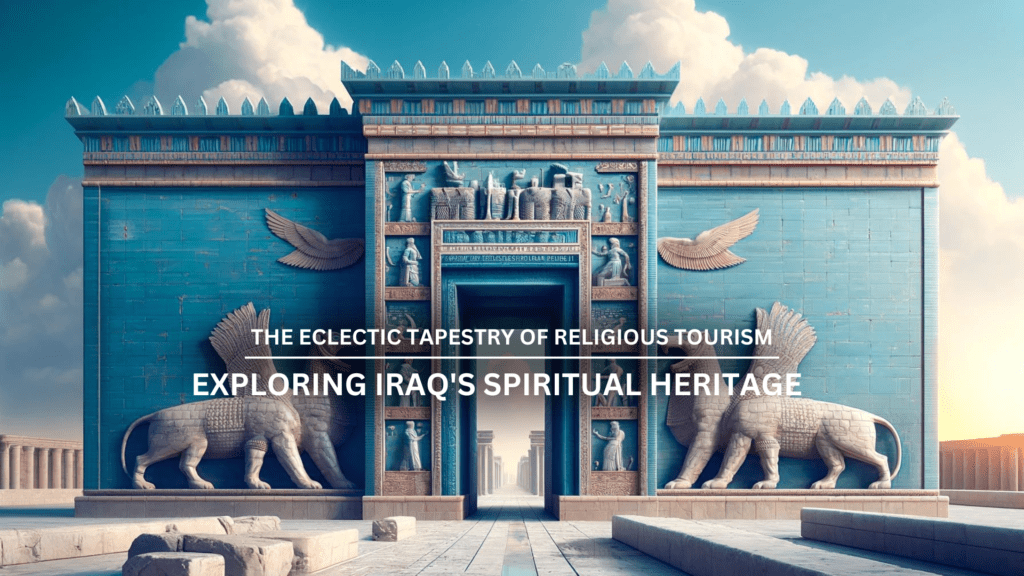
Iraq rewards travellers who look beyond a single city. You might begin among the museums and book markets of Baghdad, continue to Babylon or the marshes, then travel north towards Erbil, Duhok or Sulaymaniyah. But a multi-region itinerary needs more than good transport planning.
Before moving between federal Iraq and the Kurdistan Region, reconfirm that your immigration status permits the journey you intend to make. Ask about any registration requirements, recognised entry stamps and procedures for onward travel. Rules may be applied differently depending on nationality, point of entry and the purpose of your visit.
The same care applies to land borders. They can have different operating arrangements from international airports, and services available to one nationality may not be available to another. If your route depends on a land crossing, obtain written confirmation from the relevant authority where possible and keep a flexible alternative plan.
A practical pre-departure check
In the week before you travel, review the official advice for your passport nationality and destination, including any updates from the Foreign, Commonwealth & Development Office for UK travellers. Check your visa dates again, confirm your first accommodation, and ensure your travel insurance covers the activities and areas on your itinerary.
Carry the local contact number for your hotel or host, as well as a trusted family contact at home. Respectful clothing is especially appropriate when visiting mosques, shrines and religious cities, where local customs should guide your choices. A few Arabic or Kurdish greetings, patience with changing plans and openness to conversation will enrich the journey far beyond the paperwork.
Iraq is not a destination to rush through on assumptions. Give the visa process the attention it deserves, then leave room for what makes travel here memorable: generous welcomes, ancient places that still feel alive, and encounters that turn a carefully planned visit into a lasting connection.