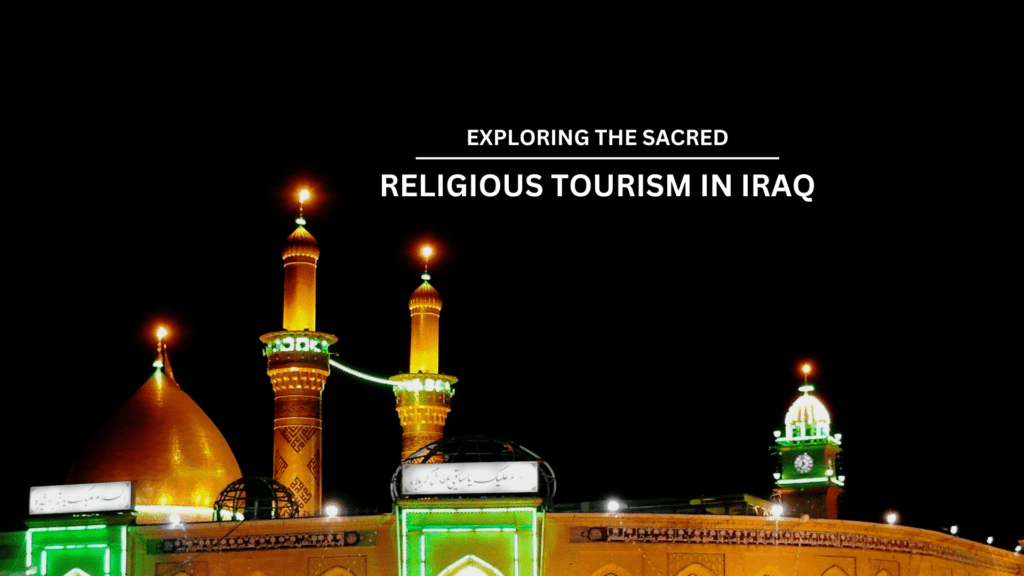
For millions of people, Arbaeen is not simply a date on the religious calendar. It is a journey of remembrance, service and shared humanity centred on the shrine of Imam Hussein in Karbala. Understanding the Arbaeen entry requirements before you set off is one of the most practical ways to protect the calm and purpose of your pilgrimage. Iraq welcomes vast numbers of visitors during this period, but procedures can change with nationality, route and the official arrangements announced for that year.
This is a journey that rewards preparation. A valid visa, a realistic arrival plan and respect for local guidance will allow you to focus less on paperwork and more on the extraordinary generosity found along the road to Karbala.
Arbaeen entry requirements: start with your nationality
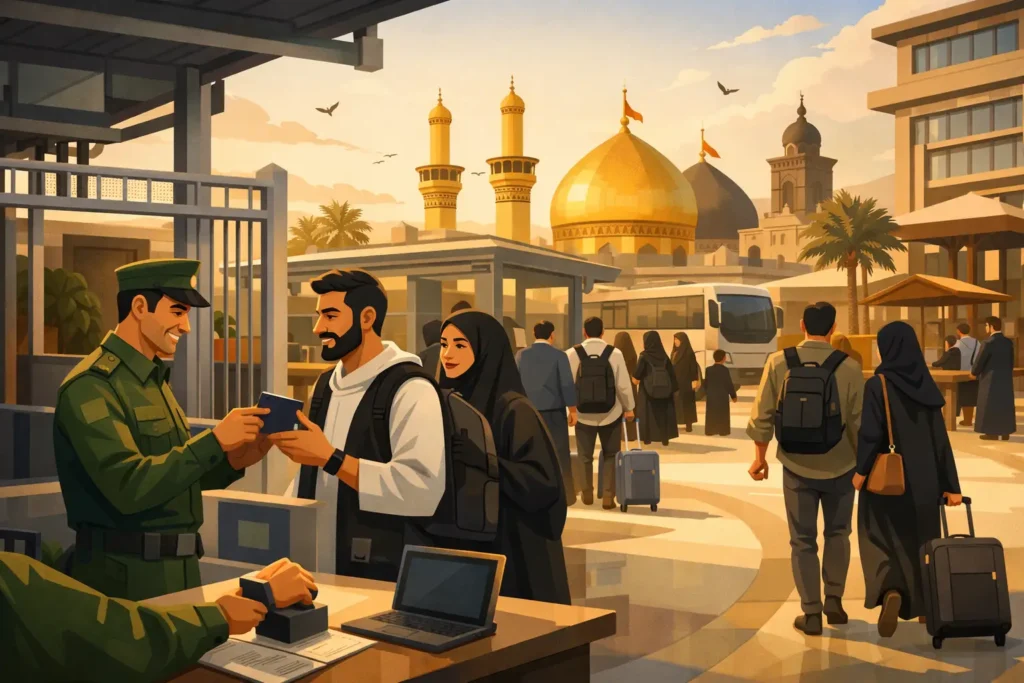
Your passport determines the entry process. Some nationalities may be eligible for a visa on arrival or an electronic visa route, while others must obtain a visa in advance through an Iraqi embassy, consulate or authorised pilgrimage channel. These arrangements are not identical for every passport holder, and policies may be updated before the Arbaeen season.
Do not assume that a friend’s experience, a social-media post or a previous visit provides a current answer. Check directly with the relevant Iraqi diplomatic mission and the official Iraqi immigration authorities well before booking non-refundable flights. If you are travelling with a Hajj, Umrah or religious-tour operator, ask exactly what they arrange and what remains your responsibility. A group registration is not automatically a substitute for the correct individual visa.
Pilgrims travelling from neighbouring countries by land may encounter separate seasonal procedures, designated crossings or group-based arrangements. These can be especially important for visitors arriving through Iran, Kuwait, Saudi Arabia or other regional routes. Confirm both the Iraqi entry rules and the rules for leaving the country from which you approach the border.
Passport, visa and documents to carry
Most international travellers should plan to arrive with a passport that remains valid for at least six months beyond their intended entry date. Your passport should have sufficient blank space for entry stamps, and its name, date of birth and number must match every visa application and flight booking exactly. Small inconsistencies can cause considerable delays when passenger volumes are high.
Keep the following documents together in a small, secure folder, with digital copies stored separately on your mobile phone and in an online account:
- Your passport and the visa or entry approval required for your nationality
- Flight or transport details, including onward or return travel where requested
- Confirmed accommodation details, or the contact information of your host or group organiser
- Travel insurance documents and any medical information you may need
Carry printed copies as well as digital ones. Mobile connectivity and battery life should never be the only way you can show a booking, visa approval or emergency contact. If you hold dual nationality, decide in advance which passport you will use for the full journey, then ensure the visa is tied to that same document.
Choose your arrival route carefully
Baghdad and Najaf are common airport gateways for international pilgrims. Najaf is particularly convenient for those wishing to spend time near the shrine of Imam Ali before continuing to Karbala, while Baghdad can offer broader flight connections. Both cities become extremely busy in the lead-up to Arbaeen, so allow generous time for immigration, baggage collection and onward transport.
Land entry can be meaningful and practical for regional travellers, but it requires even closer attention to official instructions. Border opening times, permitted crossings, transport availability and baggage procedures may be adjusted to manage large pilgrim flows. Arriving at a crossing without confirmation that it accepts your nationality and travel category is an avoidable risk.
It also helps to build a buffer into your itinerary. A tight connection from an international flight to a coach, domestic flight or hotel booking can become stressful during peak days. Arrive a little earlier than you think necessary, particularly if you need to collect a local SIM, exchange currency or meet a group.
Registration, health rules and seasonal announcements
Arbaeen arrangements are operational as well as immigration-related. In some years, authorities and organisers introduce registration systems, health declarations, vaccination guidance, transport plans or limits for particular routes. Requirements may differ according to where you are travelling from and can change close to the event.
Check official announcements again in the weeks before departure, not only when you first apply for a visa. Your airline should also be able to explain the documents it will require before boarding, although the final decision on admission rests with Iraqi border authorities.
Travel insurance is strongly recommended even where it is not a condition of entry. Choose a policy that covers Iraq and the activities you genuinely expect to undertake, including overland travel if that forms part of your route. If you take prescription medication, carry it in original labelled packaging with a doctor’s letter where appropriate. Avoid bringing medicines that you have not checked are permitted.
Respectful preparation for a major pilgrimage
Arbaeen is one of the world’s largest peaceful religious gatherings, and its scale is felt in airports, stations, roads and holy cities. The most helpful mindset is patient, modest and flexible. Delays are possible, and local officials, volunteers and hosts work under exceptional pressure to receive visitors with care.
Dress respectfully, particularly around shrines and religious sites. Loose, modest clothing is appropriate for all visitors; women may wish to carry a headscarf for shrine visits and men should avoid shorts in these settings. Follow instructions on photography, security screening and access to sacred spaces. Ask before photographing people, especially families, volunteers and worshippers.
The walk towards Karbala is supported by mawakib – community hospitality stations that offer food, water, rest and practical help. Their generosity is deeply rooted in the spirit of Arbaeen. Receive it with gratitude, avoid waste, and remember that accommodation and transport in Karbala may be under intense demand. Reserving a suitable stay in advance, rather than expecting to find a room on arrival, is a considerate choice for both you and the city.
Planning after you have cleared immigration
Entry permission is only the first step. Save the address and telephone number of your accommodation in Arabic where possible, keep family or fellow travellers informed of your plans, and agree a meeting point if you become separated. Cash remains useful for many everyday purchases, though needs vary by city and provider. Carry it securely and avoid relying on a single card or payment method.
For independent travellers, a local contact, trusted hotel or established transport provider can make the first hours after arrival far easier. Stay In Iraq can help visitors consider accommodation options as they plan a wider visit that may include Najaf, Karbala, Baghdad and Iraq’s remarkable heritage cities.
A final check before departure
Forty-eight to seventy-two hours before travel, review your passport, visa status, flight details, accommodation contact and the latest official notices once more. Then leave room in your plans for the unexpected kindnesses that define this pilgrimage. Good preparation gets you through the border; openness and respect allow you to experience Arbaeen as it is meant to be felt.